
Aéro-Club de France: history, role and legacy of the world's oldest aeronautical institution
Founded in Paris on 20 October 1898, the Aéro-Club de France is a pioneering organization that promoted early flight, organized competitions, certified pilots and continues to support aviation activities and heritage.
Overview
The Aéro-Club de France, founded on 20 October 1898 in Paris, is widely regarded as the oldest aeronautical institution in continuous operation. Established by a group of balloonists, engineers and enthusiasts, the club brought together people interested in lighter-than-air and later powered flight, serving as a forum for technical exchange, public demonstration and the celebration of aeronautical achievement.
Image gallery
9 Images


History and development
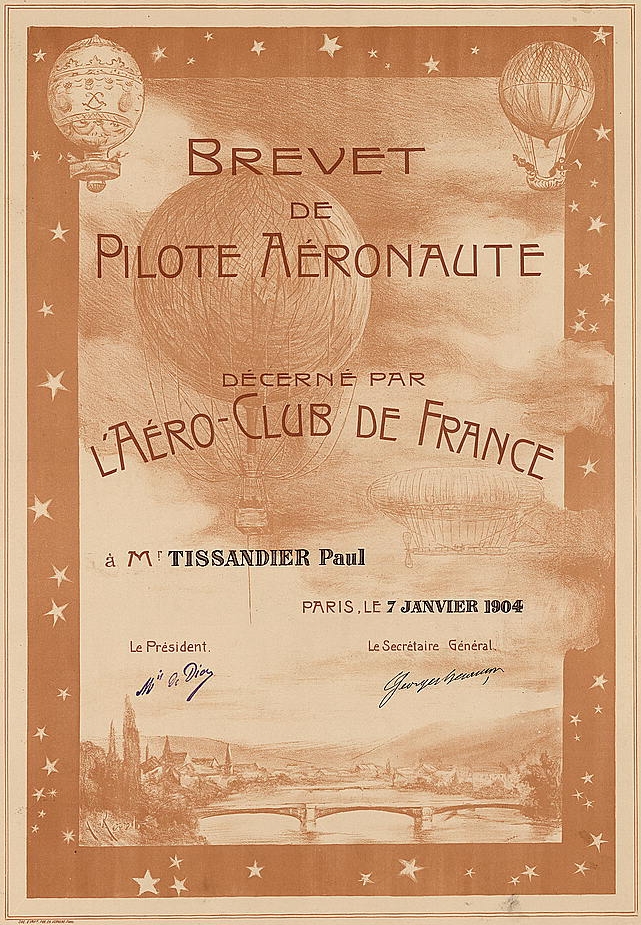
In its early years the club focused on ballooning and the technical challenges of controlling flight. As heavier-than-air machines emerged in the first decades of the 20th century, the Aéro-Club de France adapted, hosting meetings, exhibitions and competitions that helped publicize new technologies and encourage innovation. Over time it broadened its concern from sporting contests to include safety, records and recognition of professional accomplishment.
Activities and functions
The Aéro-Club de France has performed several complementary roles in aviation:
- Promoting flight through public events, lectures and awards.
- Supporting technical exchange among pilots, designers and scientists.
- Contributing to the evaluation and certification of records and qualifications.
- Preserving historical archives and commemorating pioneers.
Through these activities the club has acted both as a national hub and as a point of contact for international cooperation in aviation matters, helping to spread best practices and recognize notable achievements.
Importance and legacy
The Aéro-Club de France played a key part in turning flight from a spectator curiosity into an organized field of sport, science and industry. Its early competitions and prizes accelerated technical progress and public interest. Today the club remains a respected voice for aviation, supporting education, heritage preservation and the continuing promotion of aviation at many levels.
Notable distinctions: the organization is often cited as the world's oldest aeronautical society still active; it is known for its archival collections, for honoring pioneers and for maintaining traditions that link contemporary aviation to its origins.
While its form and activities have evolved, the Aéro-Club de France continues to serve as a cultural and professional institution that celebrates flight, encourages responsible practice and preserves the history of aeronautics for future generations.
Related articles
Author
AlegsaOnline.com Aéro-Club de France: history, role and legacy of the world's oldest aeronautical institution Leandro Alegsa
URL: https://en.alegsaonline.com/art/1160
Sources
- az-aviation.com : AeroClub.com, le site de l'AéroClub de France, la plus ancienne institution aéronautique
- aviation-francaise.com : 100 ans de L'Aéro Club de France
- businesswire.com : AERO CLUB DE FRANCE expose au salon du Bourget 2011, Stand Y 214, 20-26 juin 2011