
Carl Sanders: Governor and Modernizer of Georgia (1963–1967)
Carl E. Sanders (1925–2014) was the 74th governor of Georgia (1963–1967), known for modernizing state government, expanding education and infrastructure, and promoting economic development.
Overview
Carl Edward Sanders, Sr. (May 15, 1925 – November 16, 2014) was an American politician and lawyer who served as the 74th governor of Georgia from 1963 to 1967. He is remembered as a pragmatic and business-oriented leader who emphasized modernization of state institutions, improved public education, and investments in infrastructure to attract industry.
Image gallery
4 Images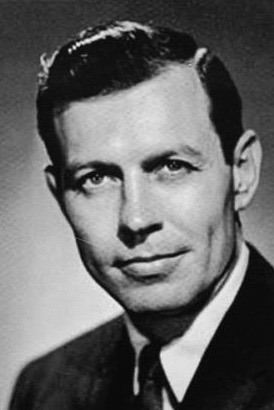


Governorship and priorities
Sanders led Georgia during a period of economic and social change. His administration placed a high priority on reorganizing state government to make it more efficient and responsive. Education funding and the expansion of higher and vocational education were central goals, reflecting a belief that a better-educated workforce would help the state compete for new businesses. Transportation projects, particularly highway improvements, were also promoted as part of a broader economic development strategy.
Policies and style
Often described as a moderate for his time, Sanders combined support for business-friendly policies with a commitment to modern public services. He cultivated relationships with corporate and civic leaders to win investment in Georgia and worked to professionalize state administration. His administration is frequently cited for moving Georgia away from more regressive and traditional practices and toward a more modern, growth-oriented approach.
Legacy and later life
After leaving the governor's office in 1967, Sanders returned to the private sector and remained an influential figure in state affairs. He is credited with shaping the careers of several later Georgia leaders and for laying groundwork that aided economic expansion in subsequent decades. Observers often note his role in professionalizing state government and expanding educational opportunities.
Notable facts
- Sanders served one term as governor, from 1963 to 1967, the 74th to hold the office in Georgia.
- He was widely regarded as a modernizer who sought to attract industry through improved infrastructure and education.
- Sanders died on November 16, 2014, at age 89 after a fall at his home in Augusta, Georgia, drawing reflections on his impact from across the state.
For a concise introduction to his life and public service, readers may consult general biographical sources and histories of mid-20th-century Southern politics. His tenure remains a reference point in discussions of Georgia's transition from an agrarian economy to a more diversified, industrial and service-oriented state.
Related articles
Author
AlegsaOnline.com Carl Sanders: Governor and Modernizer of Georgia (1963–1967) Leandro Alegsa
URL: https://en.alegsaonline.com/art/116004
Sources
- myfoxatlanta.com : "Carl Sanders, former Georgia governor, dies at 89"