
Carl Panzram: life, crimes, imprisonment and legacy
Profile of Carl Panzram (1891–1930), an American convicted murderer whose violent career, multiple aliases and prison memoir influenced debates about incarceration and punishment.
Overview
Carl Panzram (June 28, 1891 – September 5, 1930) was an American criminal whose life of violent crime, repeated escapes and long record of incarceration made him a notorious figure in early 20th‑century penal history. Convicted of murder and other offenses, he was executed by hanging in 1930. During his years on the criminal circuit he used a number of aliases and was transferred among many institutions.
Image gallery
10 Images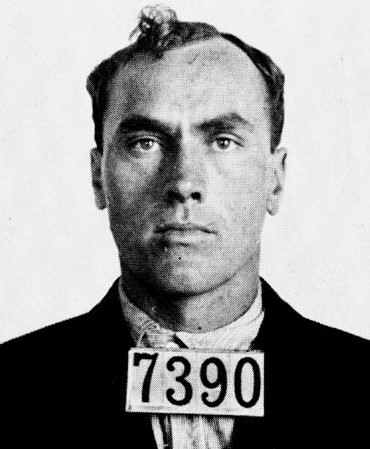




Early life and path to crime
Panzram grew up in a vulnerable environment and became involved in petty theft and vagrancy from a young age. Like many people who spent their youth in reform schools and local jails at the turn of the century, he experienced repeated contacts with the criminal justice system that shaped his later, more violent behavior. Over time his offenses escalated from theft and burglary to assault and ultimately homicide.
Criminal career and confessions
Incarcerated repeatedly in cities and states across the United States, Panzram later provided detailed autobiographical statements in which he described numerous crimes committed over many years. He claimed responsibility for murders and assaults in several jurisdictions and spoke openly about his hatred for people he perceived as authority figures. These confessions, preserved after his death, have been an important source for historians studying criminal psychology and prison conditions in that era.
Aliases, institutions and movements
Throughout his life Panzram used multiple names and prisoner numbers. He was committed, lodged or tried in a long list of places, illustrating the mobility of convicts and the patchwork nature of early 20th‑century penal systems. Among the locations associated with his record were:
- Fresno and California
- Rusk and Texas
- The Dalles and Oregon
- Harrison and Idaho
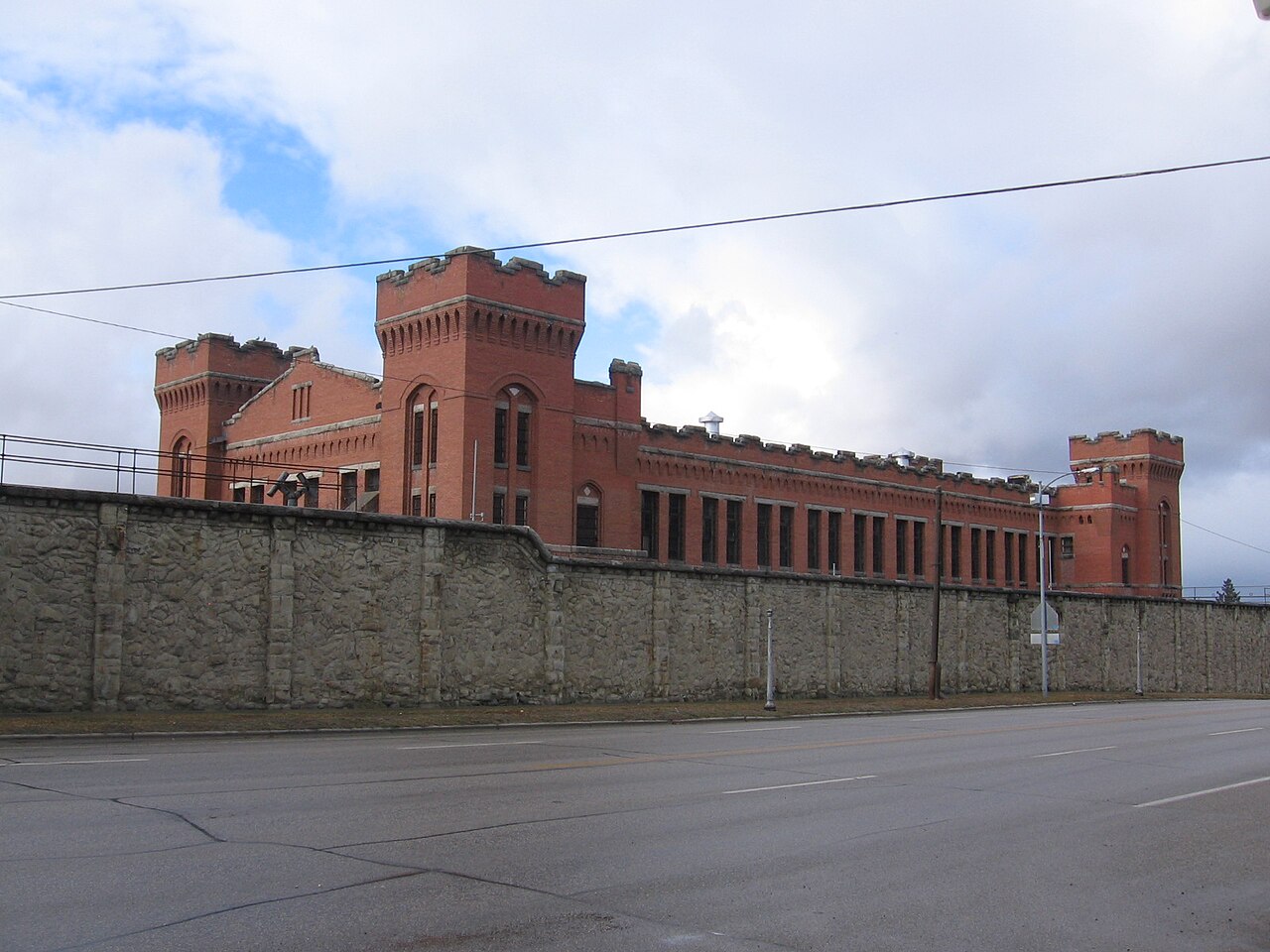
- Butte, Miles City and other Montana institutions
- Bridgeport and Connecticut
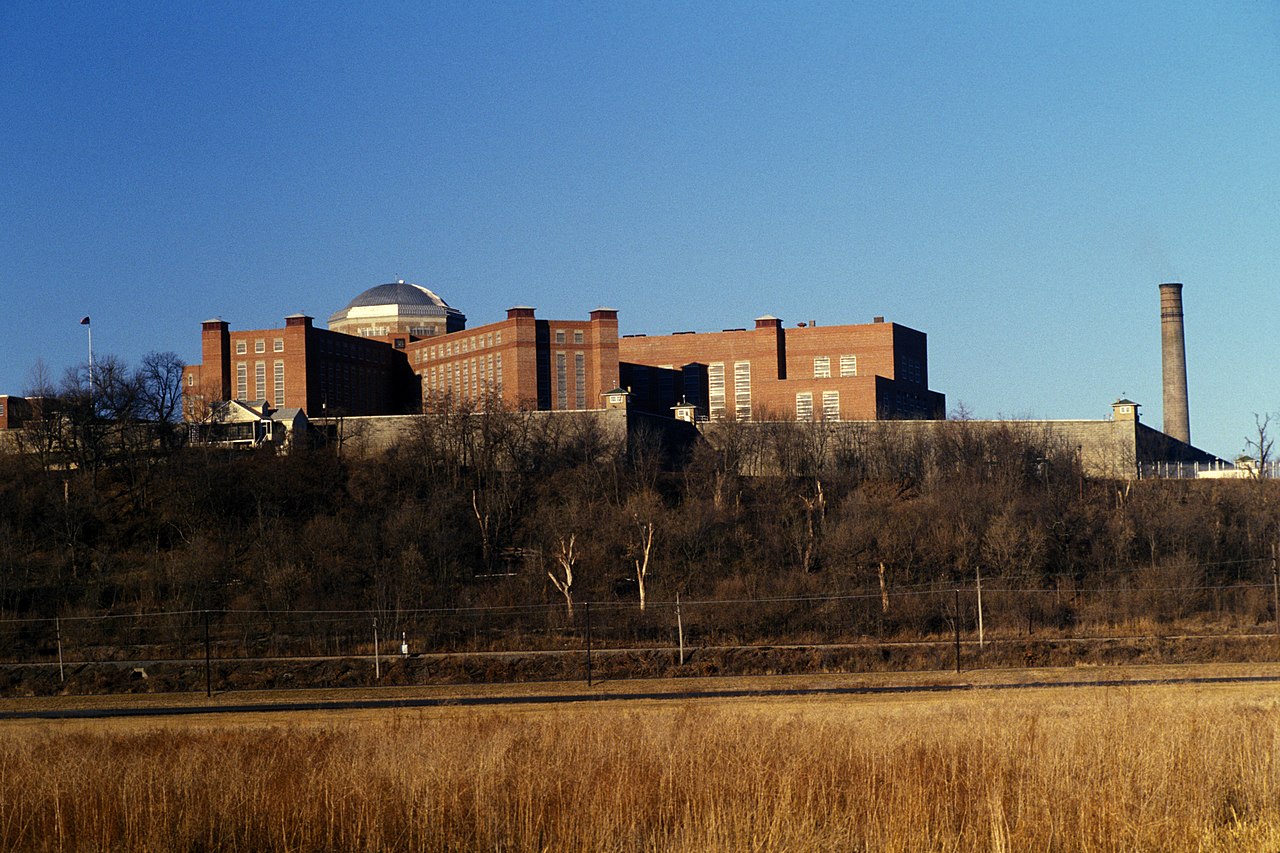
- Sing Sing and other eastern penitentiaries
- Federal facilities, state prisons and local jails in several additional jurisdictions
Behavior in custody and punishment
Prison records and contemporaneous accounts describe Panzram as repeatedly defiant toward guards and administrators. He assaulted officers and refused to follow orders, provoking harsh disciplinary responses. Corrections staff used beatings, solitary confinement and other punitive measures that were common in that period. These interactions are often cited in discussions about the reciprocal violence of prisons: the inmate's attacks led to reprisals by guards, which in turn influenced his outlook and conduct.
Trial, execution and writings
Panzram was tried and convicted for murder and sentenced to death. He was executed at the federal penitentiary where he was held. Before his execution he gave long confessions and autobiographical material to a prison acquaintance; those writings survived and were later published, giving scholars and the public a first‑hand account of his life, crimes and attitudes toward punishment. The manuscript and related documents have been used to examine the psychology of violent offenders, the effects of early incarceration, and debates about capital punishment and prison reform.
Legacy and notable facts
Today Panzram is remembered both for the brutality of his crimes and for the documents that he left behind. His case features in studies of criminal careers, prison conditions in the early 20th century, and how systemic harshness can shape a lifetime of violence. For further reading on classifications and wider context see resources on criminal typologies and historical accounts of the institutions that held him.
Further research: archival prison records, contemporary newspaper reports and the published confessions provide the main primary sources for understanding Panzram's life and the penal culture of his time.
Questions and answers
Q: Who was Carl Panzram?
A: Carl Panzram was an American serial killer who was hanged for murder.
Q: When did he die?
A: He died on September 5, 1930.
Q: Where did he serve time under his own name and various aliases?
A: He served time in Fresno, California; Rusk, Texas; The Dalles, Oregon; Harrison, Idaho; Butte, Montana; Montana State Reform School in Miles City; Montana State Prison (as "Jeff Davis" #4194 #3194 and "Jefferson Rhodes" #4396); Oregon State Prison ("Jefferson Baldwin" #7390); Bridgeport, Connecticut ("John O'Leary"); Sing Sing Correctional Facility, New York ("John O'Leary" #75182); Clinton Correctional Facility, New York ("John O'Leary" #75182); Washington, D.C (Carl Panzram #33379) and Leavenworth Kansas (Carl Panzram #31614).
Q: How did the guards respond to him while he was incarcerated?
A: The guards retaliated against him by subjecting him to beatings and other punishments when he refused to follow their orders.
Q: What were some of the aliases that Carl used while serving time?
A: Some of the aliases that Carl used while serving time were "Jeff Davis", "Jefferson Rhodes", "Jefferson Baldwin", and "John O'Leary".
Q: What prison facility did he serve time at in Washington DC?
A: He served time at Washington DC's correctional facility as Carl Panzram with the number 33379.
Related articles
Author
AlegsaOnline.com Carl Panzram: life, crimes, imprisonment and legacy Leandro Alegsa
URL: https://en.alegsaonline.com/art/115997
Sources
- bing.com : "Carl Panzram Autobiography - Bing images"
- www-rohan.sdsu.edu : ""Panzram Papers w/DOB" (PDF)"
- serialkillercalendar.com : "Carl Panzram"
- worldcat.org : Carl Panzram papers, 1928-1982