
Carlos Ghosn: Automotive Executive — Rise, Controversy, and Flight from Japan
Profile of Carlos Ghosn, the engineer-turned-auto executive who led Renault and Nissan, his arrest in Japan on financial charges, subsequent escape to Lebanon, and his contested legacy.
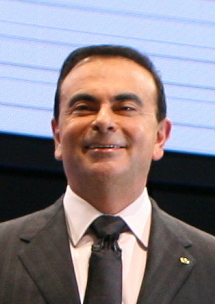
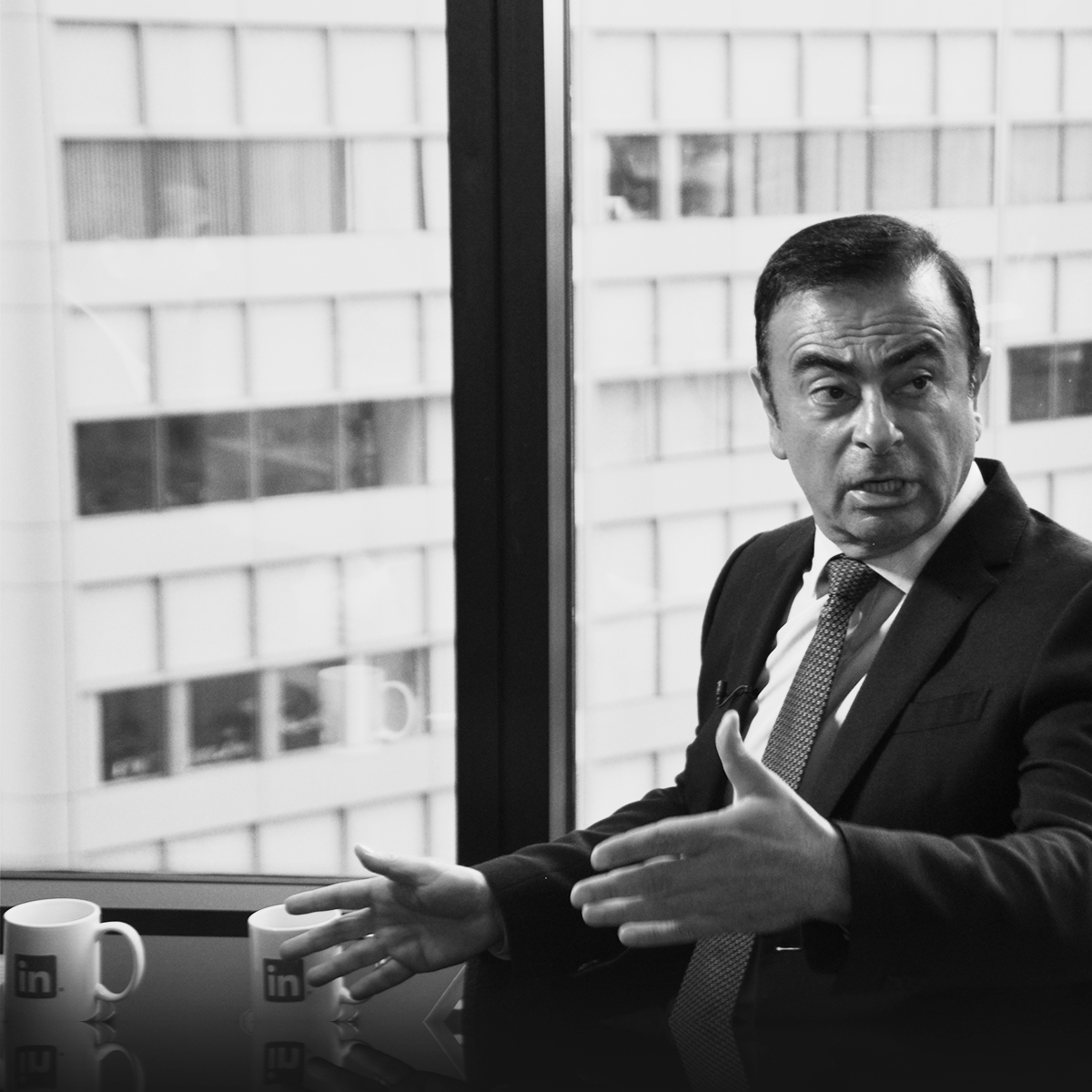
Carlos Ghosn (born 9 March 1954) is a businessman known for leading major global carmakers and for a high-profile legal and political controversy. He trained as an engineer in France and rose through the automotive and tyre industries to become chief executive and chairman of major manufacturers. Ghosn holds multiple nationalities and is publicly associated with initiatives to restructure and globalize large automotive firms.
Image gallery
10 Images





Background and career
Born in Brazil and raised partly in Lebanon, Ghosn was educated in France and began a career in industry before moving into senior management. He worked for the Michelin tyre group and later joined Renault, where he advanced to the company’s top ranks. He became best known for his role in rescuing and reorganizing Nissan after a strategic alliance was formed between Renault and Nissan. That alliance — often cited as a distinctive cross-shareholding partnership — placed Ghosn at the head of a global automotive group whose brands and operations were influential across many markets.
Roles and reputation
- Key positions: senior executive at Michelin; senior management and CEO roles at Renault and Nissan; chairman of the Renault–Nissan alliance.
- Leadership style: recognized for cost-cutting, tight operational control, and for reversing losses at Nissan, earning strong praise from some investors and critics from others.
- Public profile: a frequent speaker on industry consolidation, international business strategy and the future of mobility.
Ghosn’s identity and background are often noted in multiple languages and regions; his Arabic name is sometimes presented as Arabic spelling, and his nationality ties include links to Brazil and Lebanon. He held leadership positions that connected European corporate centers such as Paris with major operations in Japan and elsewhere.
Arrest, charges and escape
In late 2018 Ghosn was detained by Japanese authorities and later charged with alleged financial misconduct, including claims about underreported compensation and improper use of company funds. His detention and the handling of his case sparked public debate about corporate governance, legal procedure and the role of international executives operating across jurisdictions. After months of legal maneuvering and bail proceedings, Ghosn left Japan in late 2019 and traveled to Lebanon, where he holds citizenship and where the government typically does not extradite its citizens to other countries.
International law enforcement trackers subsequently sought his capture; in January 2020 Interpol issued a public notice seeking his arrest. The case highlighted tensions among corporate boards, national prosecutors and transnational legal processes. Supporters of Ghosn have argued he was the victim of corporate and political maneuvering, while critics view his departure as an evasion of legitimate legal accountability.
Legacy and continuing significance
Carlos Ghosn remains a polarizing figure. For many he is a skilled turnaround executive whose strategic moves reshaped two major manufacturers and influenced global auto industry practices. For others he symbolizes corporate excess and the complexities of policing multinational executives. The events surrounding his arrest, trial preparations and escape have prompted renewed attention to executive compensation transparency, board oversight, and how legal systems handle cross-border business disputes.
For further context on his roles and the organizations involved, see resources linked to his corporate affiliations and legal proceedings, and contemporary reporting summarizing the ongoing aftermath of his case and its implications for international corporate governance (executive role and reports).
Related articles
Author
AlegsaOnline.com Carlos Ghosn: Automotive Executive — Rise, Controversy, and Flight from Japan Leandro Alegsa
URL: https://en.alegsaonline.com/art/115930
Sources
- europe.autonews.com : "Ghosn becomes chairman of Russian carmaker AvtoVAZ"
- celebritynetworth.com : "Carlos Ghosn Net Worth"
- lepoint.fr : "Le Point – Actualité Politique, Monde, France, Économie, High-Tech, Culture"
- forbes.com : "The Intriguing Story Of How Carlos Ghosn Went From A Top CEO To An International Fugitive"
- chicagotribune.com : "Fugitive auto executive Carlos Ghosn fled Japan in a made-for-the-movies escape. In fact, he pitched his story to a Hollywood producer last month"
- news957.com : "24-hour video on fugitive Ghosn checked only once a month"
- reuters.com : "Renault-Nissan 2011 vehicle sales reach 8.03 mln"
- bbc.com : "Interpol issues notice for Carlos Ghosn arrest"
- wsj.com : "Lebanon Receives Interpol Arrest Notice for Carlos Ghosn"
- theguardian.com : "Japan issues Interpol wanted notice for Carlos Ghosn"
- latimes.com : "Lebanon receives Interpol wanted notice for Nissan ex-chair Carlos Ghosn"
- wikidata.orgQ356719.html : wikidata.orgq356719.html
- catalogo.bne.es : XX1699747
- catalogue.bnf.fr : cb135749548
- data.bnf.fr : (data)