
Billy Bishop — Canadian First World War Flying Ace
Overview of William 'Billy' Bishop (1894–1956), Canada's top World War I fighter ace, his service, tactics, decorations and legacy in military aviation.
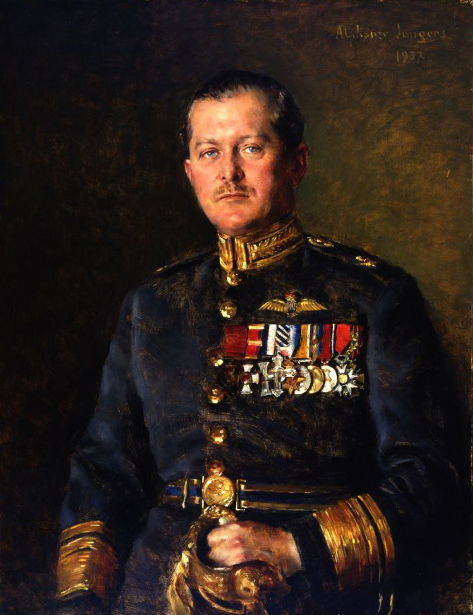
William Avery "Billy" Bishop (8 February 1894 – 11 September 1956) was a Canadian pilot celebrated as his country’s leading fighter ace of World War I. Credited with 72 victories, Bishop became one of the most famous Allied aviators of the conflict and was awarded the Victoria Cross among other honours. His career combined aggressive air combat, bold personal exploits and later public advocacy for military aviation.
Image gallery
9 Images





Military service and achievements
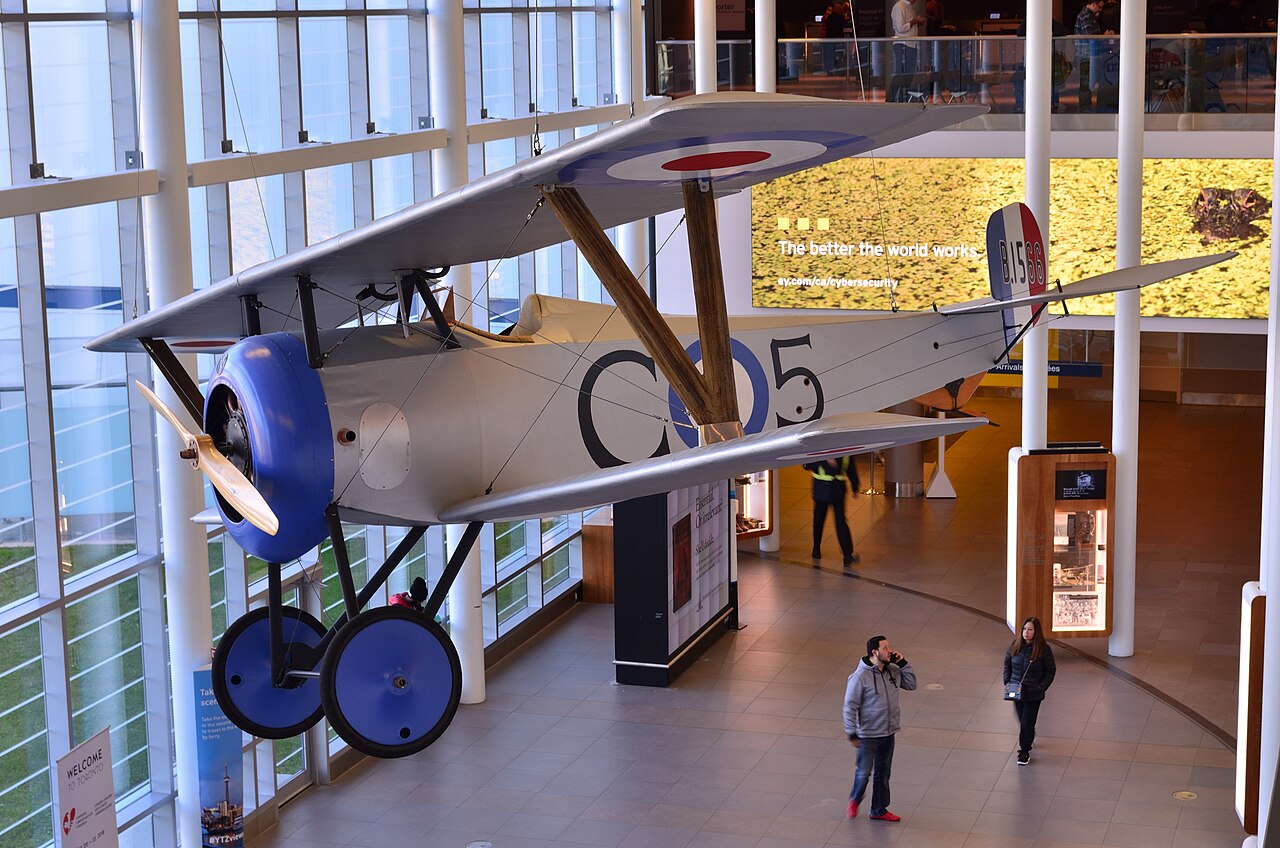
Bishop flew with the British flying services and operated from the Western Front. He gained a reputation for attacking enemy machines and aerodromes, using aircraft such as the S.E.5a and other contemporary fighters. His official tally of victories placed him at the top of Canadian scoring lists and among the leading aces of the war overall. He received the Victoria Cross for a notably daring solo action and multiple other decorations for valour.
Style, tactics and equipment
Contemporary accounts describe Bishop as an aggressive and solitary pilot who favoured surprise, speed and marksmanship. He often flew at low altitude to attack enemy aircraft and ground targets. His success depended on situational awareness, gunnery skill and the performance of the single-seat fighters then in service. Technical limits of early combat aircraft shaped the tactics used by aces like him.
Post-war life and legacy
After the war Bishop returned to Canada where he remained a prominent public figure, promoting aviation and air defence. He was involved in commercial and civic efforts related to flying and was frequently photographed with fellow aces. His exploits helped to popularize the image of the fighter pilot in Canada and the wider British Empire.
Notable facts and distinctions
- Often referred to simply as "Billy Bishop," his full name was William Avery Bishop.
- Awarded the Victoria Cross and several other military honours for aerial combat.
- Recognized as the top Canadian flying ace with 72 credited victories.
For further reading on related topics, see background material on the Canadian contribution to air forces, general articles about the flying ace phenomenon and broader histories of World War I.
Related articles
Author
AlegsaOnline.com Billy Bishop — Canadian First World War Flying Ace Leandro Alegsa
URL: https://en.alegsaonline.com/art/11532