
Billie Jean King
American former world-class tennis player and activist who transformed women's professional tennis, founded the WTA and Women's Sports Foundation, and won the 1973 'Battle of the Sexes'.
Billie Jean King (born Billie Jean Moffitt, November 22, 1943) is an American former professional tennis player and one of the sport's most influential figures. Raised in Long Beach, California, she rose from modest circumstances to become a multiple Grand Slam champion, an organizer of women’s professional tennis, and a persistent voice for gender equality in sport and society. Her life combined athletic achievement with activism, making her a central figure in the modern history of women's athletics.
Image gallery
10 Images



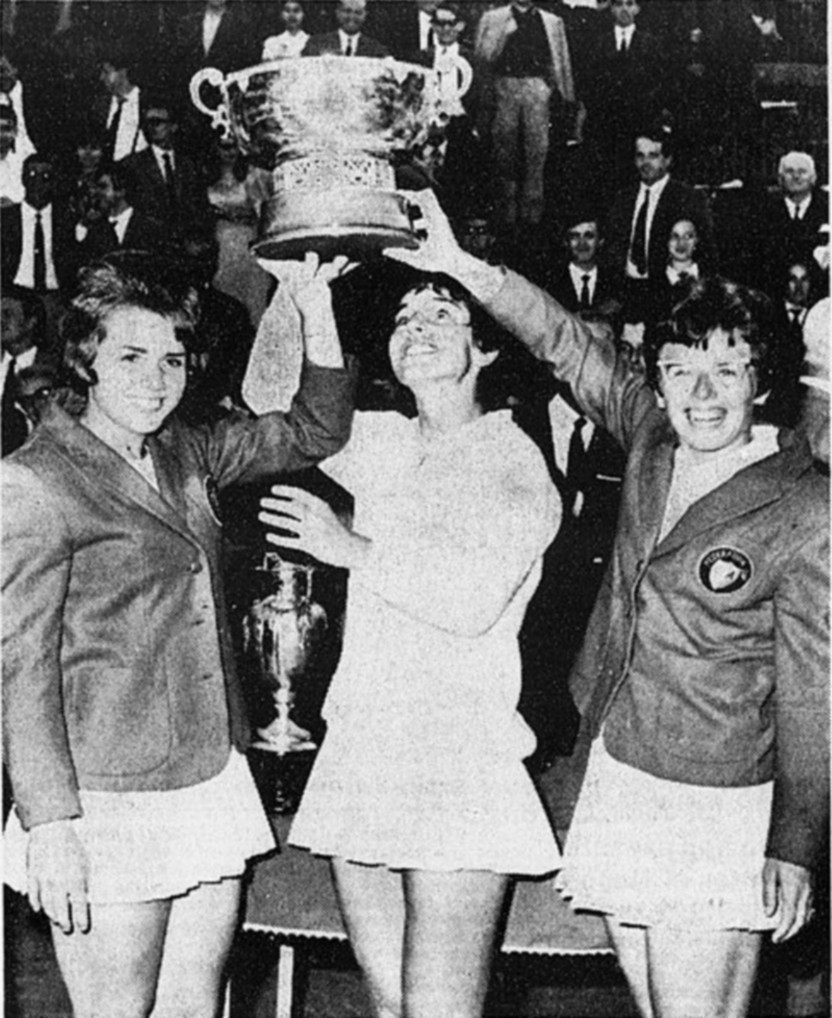
Early life and background
King grew up in a working-class family in Long Beach. Her father worked as an engineer for the city fire department and held extra jobs to help the family, while her mother did household work and later sold household goods to support travel and competition costs. The family could not afford membership at private clubs, so King developed her game on public courts. Her younger brother, Randy Moffitt, later became a professional baseball player.
Tennis career and achievements
King began competing as a teenager and won her first major title in women's doubles at Wimbledon as a 17-year-old, partnering with Karen Hantze. She turned professional and compiled a record of Grand Slam victories across singles, women's doubles and mixed doubles, accumulating some of the sport’s highest honors during a career that stretched from the late 1950s into the early 1980s. Her play combined tactical intelligence, a strong net game, and exceptional volleying.
- Multiple Grand Slam champion across singles and doubles
- Longtime leading figure on the women's professional tour
- Known for athleticism, court craft, and leadership
Organizing professional women's tennis
Frustrated by unequal prize money and limited professional opportunities, King helped create institutions to support women athletes. She was a driving force behind the formation of the Women's Tennis Association, and later helped start enterprises such as World TeamTennis and the Women's Sports Foundation, all designed to build better structures, publicity, and pay equity for women in sport.
Battle of the Sexes and public profile
King's most widely publicized match came in 1973, when she faced former men’s champion Bobby Riggs in the so-called "Battle of the Sexes." Riggs, a former star of the 1930s and 1940s who claimed men could easily beat top women, challenged her in a widely viewed event. King won decisively, a result that provided a potent symbol in the movement against sexism in athletics and beyond. The match elevated public awareness about women's capabilities and the need for equal treatment in sport.
Legacy, advocacy and later life
Beyond trophies, King is remembered for institutional change and advocacy. She used her platform to press for equal prize money, better professional pathways, and broader acceptance of women in leadership roles within sports. She also became an outspoken supporter of LGBTQ+ rights and inclusion in athletics. Injuries and the natural arc of an athletic career led to retirement from full-time competition—she ended her touring career in the early 1980s after dealing with physical setbacks and other challenges related to injury.
Notable facts
- She won major titles as a teenager and remained a high-level competitor for more than two decades.
- Her efforts established organizations and structures that continue to shape professional women's tennis.
- The 1973 match against Bobby Riggs — a player famous from the 1930s and 1940s era of the game — is a cultural milestone used to discuss gender and sport.
King's life combines athletic distinction with sustained public engagement; she remains a reference point when discussing the evolution of women's sport, the fight for equal opportunity, and the role athletes can play as social advocates. For biographical details, career records, and archival material, consult specialized sports histories and archived interviews available through major libraries and sports institutions (local archives, national sports collections, and organizational histories).
Related articles
Author
AlegsaOnline.com Billie Jean King Leandro Alegsa
URL: https://en.alegsaonline.com/art/115141
Sources
- biography.com : Biography.com