
Benjamin Morrell: American Sea Captain and Memoirist
Benjamin Morrell (1795–1839) was an American mariner, navigator and explorer known for early 19th‑century voyages in the Southern Ocean, the Pacific and along the Americas and for a disputed memoir.
Benjamin Morrell (July 5, 1795 – 1839) was an American mariner, remembered as a sea captain, navigator and travel writer of the early 19th century. He captained commercial and sealing voyages and recorded his experiences in a published memoir. Contemporary readers and later scholars have judged his accounts unevenly: some passages offer useful observations about ships and coasts, while others are demonstrably exaggerated or unverified. His career sits at the intersection of practical seafaring and the era's appetite for adventurous travel narratives.
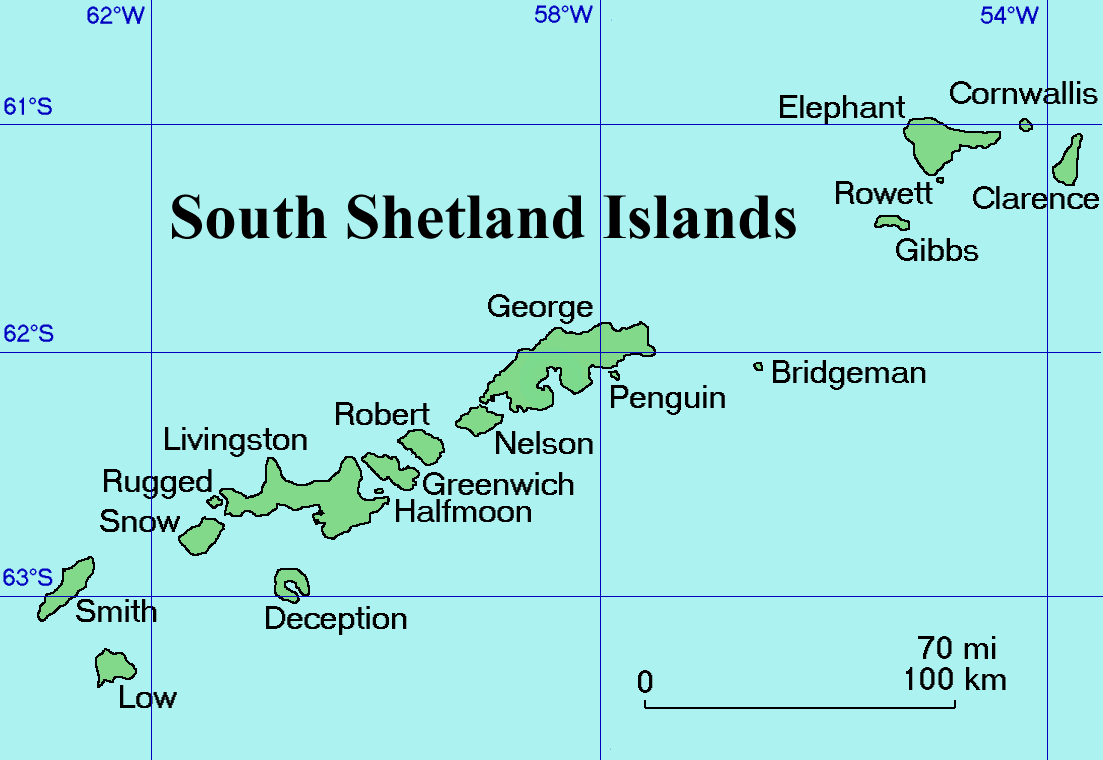
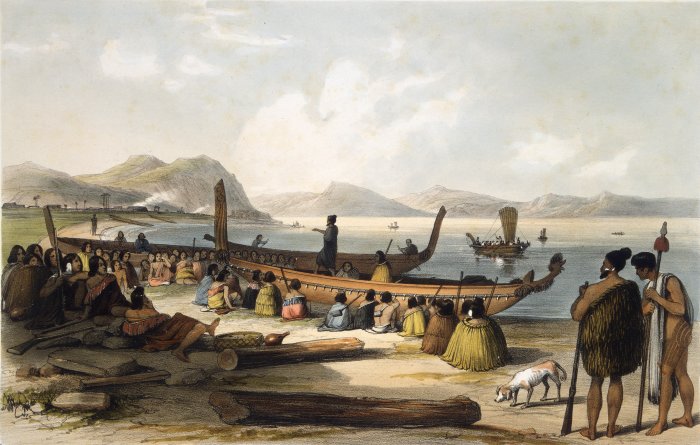
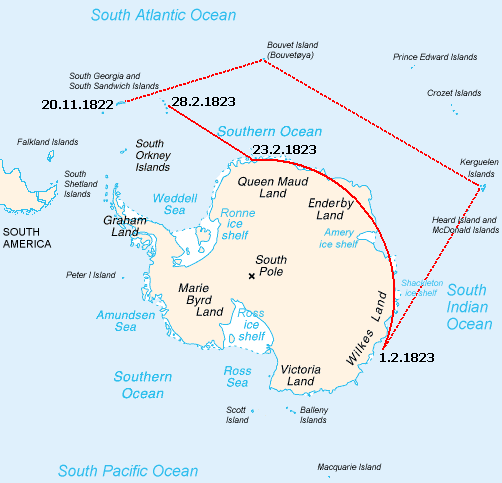
Between 1821 and 1823 Morrell undertook a series of ocean voyages that he later described as four major expeditions. Those journeys ranged across southern latitudes and into tropical waters: he reported voyages into the Southern Ocean, visits to island groups in the Pacific Islands, and work along the eastern shores of the Americas. During his career he is repeatedly identified as a sea captain, a professional navigator and a merchant mariner who combined commercial aims with exploration. Records of the period also refer to him in the more general role of an American mariner.
Image gallery
8 Images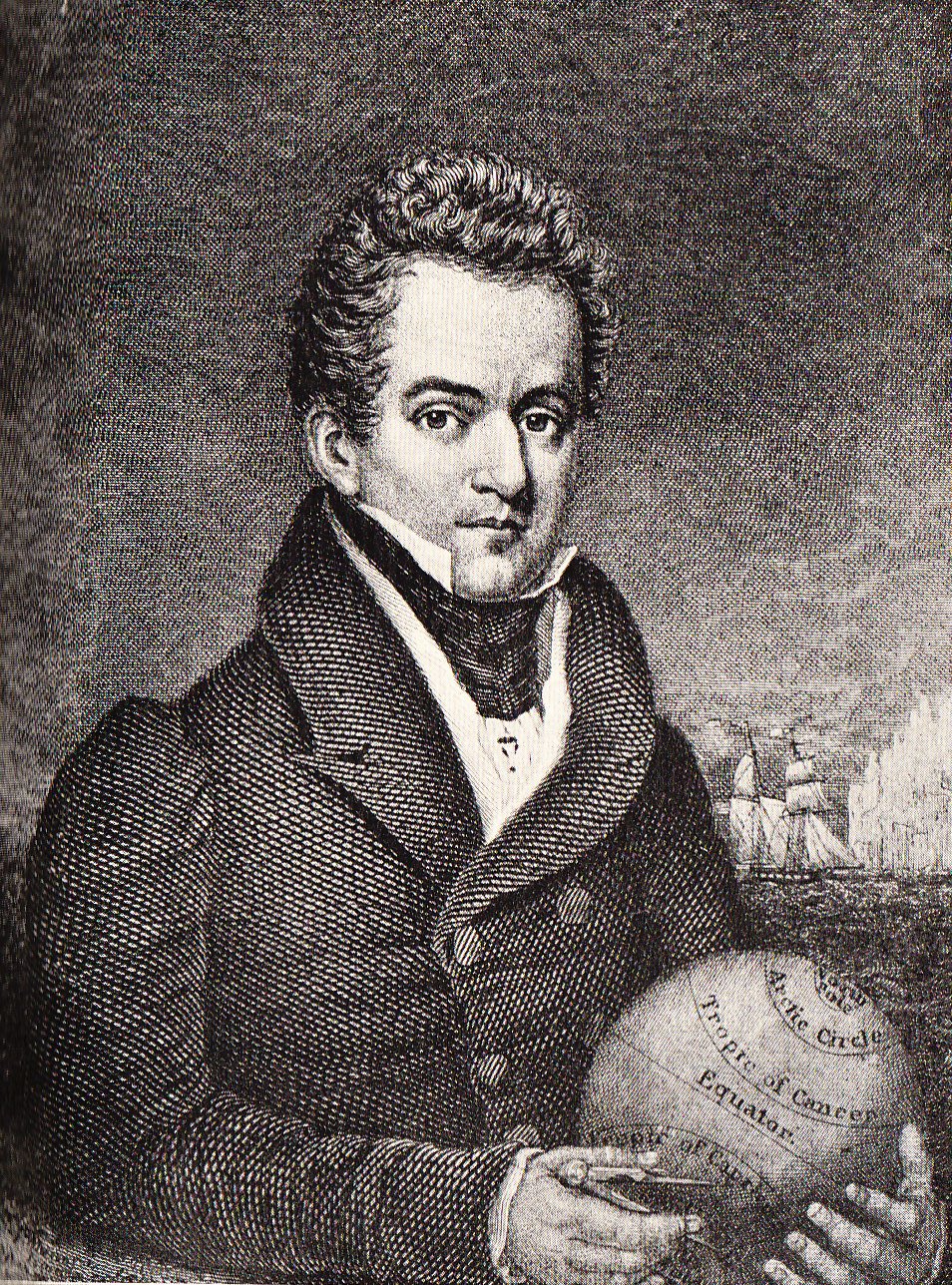



Writings and controversy
Morrell's best known work is A Narrative of Four Voyages, a memoir that describes his routes, encounters with island peoples, and activities such as sealing and trading. Upon publication the book attracted attention for vivid storytelling but also criticism for factual inaccuracies and claims that could not be corroborated by other witnesses or logs. Scholars who have examined the narrative treat it cautiously: it contains valuable firsthand details for some ports, ships and procedures, but it also mixes verifiable observations with improbable episodes and geographical errors.
Placed in context, Morrell's work reflects several features of its time. The early 19th century was a busy period for American merchant shipping, sealing and whaling industries; many captains doubled as explorers, reporting on new islands, anchorages and resources. Travel accounts were both practical records and popular literature, so authors sometimes emphasized drama or novelty to attract readers. That combination of commerce and storytelling explains why Morrell's memoir can be read both as a source for maritime history and as a contested literary artifact.
Legacy and significance
- Contributions: Provided period descriptions of ships, sailing routes and some localities that researchers can cross‑check with other records.
- Controversy: Noted for unverified claims and occasional contradictions that damaged his reputation among later historians.
- Historical role: An example of an early American seafarer whose commercial voyages also contributed to geographical knowledge and popular travel literature.
Modern assessments of Morrell balance the practical value of his navigational and observational details against the need for careful verification. His narrative remains of interest to historians of maritime trade, polar and Pacific exploration, and the literature of travel. For readers today, Morrell exemplifies how 19th‑century captains sometimes blended accurate seamanship with the rhetorical flourishes expected by contemporary audiences.
Further information can be sought through specialized maritime histories and archival logbooks that compare Morrell's claims with independent records. Those wanting a concise entry can begin with general references to American captains and navigators of the period and then consult focused studies that evaluate his specific voyages and assertions.
See also: sea captain, mariner, navigator, Southern Ocean, Pacific Islands, eastern Americas.
Related articles
Author
AlegsaOnline.com Benjamin Morrell: American Sea Captain and Memoirist Leandro Alegsa
URL: https://en.alegsaonline.com/art/114975