
Sea Captain (Skipper): Role, Duties, Qualifications, and History
An overview of the sea captain — often called skipper — covering duties, required qualifications, historical development, modern challenges, and distinctions within maritime command.
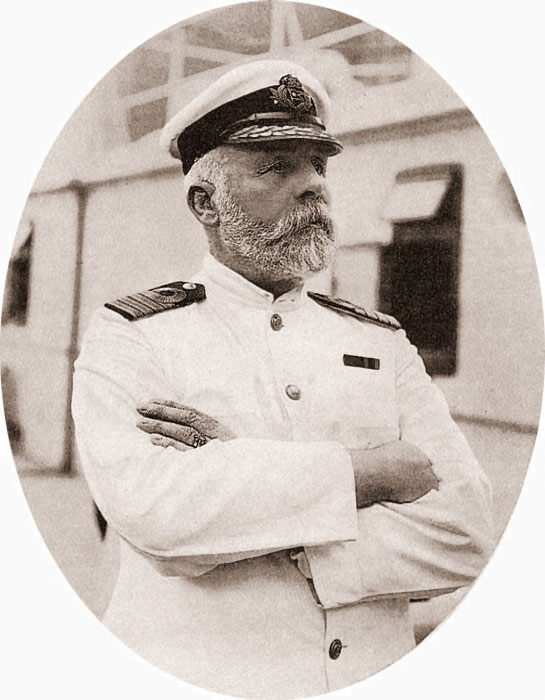
A sea captain, often termed a skipper in smaller vessels, is the principal officer in command of a merchant, naval, or private vessel. The captain bears ultimate responsibility for the safety of the crew, passengers, cargo, and the vessel itself. They make navigational and operational decisions, enforce regulations on board, and act as the legal representative of the vessel while at sea and in port. A captain’s authority and duties may be defined by national laws, company rules, and international maritime conventions.
Image gallery
3 Images

Duties and responsibilities
Primary responsibilities focus on navigation, safety, and leadership. Typical duties include:
- Planning voyages and overseeing navigation to ensure safe passage and compliance with charts and regulations.
- Maintaining the safety and seaworthiness of the vessel, including supervising maintenance and emergency drills.
- Managing the crew: assigning duties, maintaining discipline, and ensuring proper certification and fitness for duty.
- Handling communications with authorities, contractors, and company management; keeping required logs and records.
- Responding to emergencies and making decisions in adverse conditions — many captains adhere to the principle of staying aboard until all persons are safe.
Qualifications and career path
Becoming a captain usually requires progressive sea service, formal maritime education, and certification. Officers advance through ranks (third mate, second mate, chief mate) while acquiring hours at sea and obtaining licenses issued by national maritime authorities. Training covers navigation, ship handling, cargo operations, meteorology, and safety management. Additional endorsements may be required for certain vessel types or waters.
History and development
The role of the captain has evolved from early maritime traditions where masters combined navigation, trade, and command, to modern specialization under international law. Historic captains were often merchants or explorers; today’s captains operate within structured commercial, regulatory, and technological frameworks that span global shipping routes.
Modern challenges and notable facts
Contemporary captains balance traditional seamanship with new technologies, such as electronic navigation, automated systems, and satellite communications. They must manage regulatory requirements like safety management systems and environmental rules. Distinctions exist between merchant captains, naval commanding officers, and smaller recreational skippers, though the core leadership role is constant. For more on vessel terminology see ship.
The captain remains a central figure in maritime operations — combining technical knowledge, legal responsibility, and leadership to keep vessels and people safe on the world’s seas.
Author
AlegsaOnline.com Sea Captain (Skipper): Role, Duties, Qualifications, and History Leandro Alegsa
URL: https://en.alegsaonline.com/art/88255