
Benjamin Wade: Radical Republican Senator and Near‑President
Benjamin F. Wade (1800–1878) was an Ohio lawyer and U.S. Senator, a leading Radical Republican who co‑authored the Wade–Davis Bill and came within one vote of the presidency during Andrew Johnson's impeachment.
Benjamin Franklin "Bluff" Wade (October 27, 1800 – March 2, 1878) was an American lawyer and long‑serving U.S. legislator who became one of the most prominent Radical Republicans during and after the Civil War. Known for his blunt rhetoric and uncompromising views on slavery and Reconstruction, Wade played a central role in debates about how to restore the Union and secure rights for formerly enslaved people.
Image gallery
6 Images
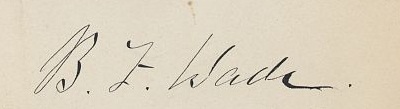
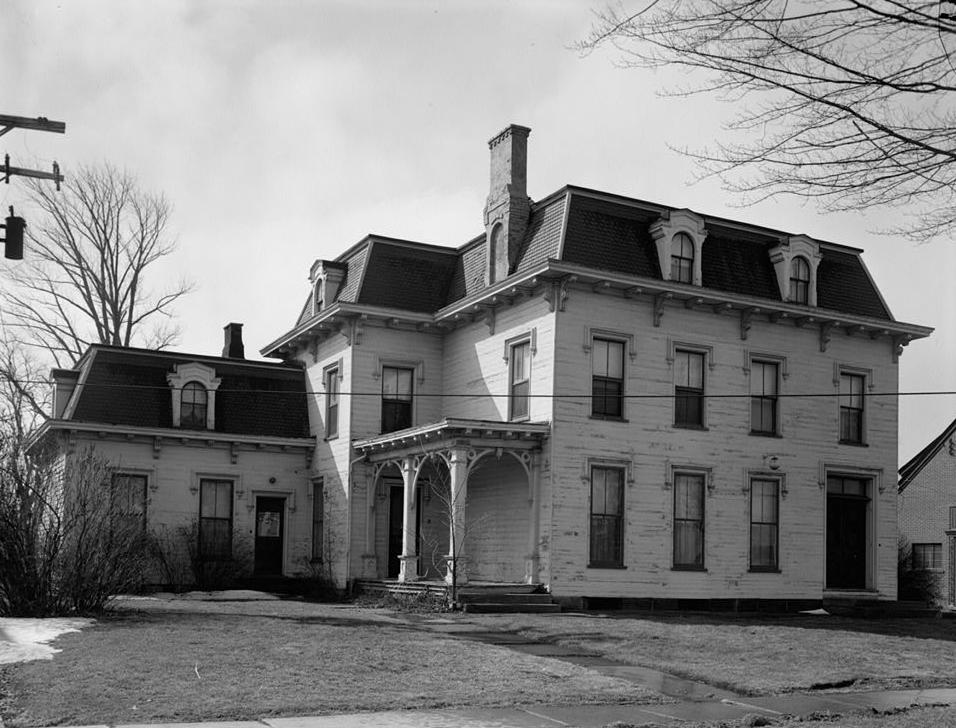


Early life and legal career
Wade was born in Springfield, Massachusetts, and grew up in northeastern Ohio, in and around Jefferson, Ohio. He trained as a lawyer and established a practice that led to civic prominence. As a practicing lawyer and local leader he developed a reputation for forthrightness that earned him the nickname "Bluff." He married Caroline M. Rosekrans in 1841 and the couple had two children.
Senate service and political stance
Wade represented Ohio in the U.S. Senate for much of the 1850s and 1860s and was identified with the most assertive wing of his party. As a United States Senator he advocated aggressive policies to defeat the Confederacy, abolish slavery, and later to extend political and civil rights to freedmen. He was a leading voice among the Radical Republicans, who argued for federal intervention in Southern states to protect citizens and restructure state governments.
Wade–Davis, impeachment, and near‑presidency
Wade was co‑author of the Wade–Davis Bill, a Congressional plan for Reconstruction that set stricter conditions for readmission of former Confederate states than President Abraham Lincoln's proposals. During the turbulent postwar period he served as president pro tempore of the Senate. When President Andrew Johnson faced impeachment, Wade's position in the Senate placed him directly in the line of succession: had Johnson been convicted, Wade would have become president. The Senate acquitted Johnson by a margin of a single vote, leaving Wade one vote short of the presidency and marking the climax of his national influence. The impeachment episode and public controversy diminished his political standing.
Legacy and notable facts
Wade's career illustrates the intensity of debate over Reconstruction and civil rights in the 1860s. Supporters remember him as a determined advocate for equal political rights and a strong federal role in reconstruction; critics saw him as overzealous and divisive. He left the Senate late in the 1860s and returned to Ohio, where he died in Jefferson in 1878.
- Wade–Davis Bill: A key legislative alternative to Lincoln's Reconstruction policy.
- Impeachment role: As president pro tempore he was next in line for the presidency during Johnson's impeachment—defeat by one vote prevented his succession.
- Reputation: Remembered for a blunt style that gave rise to the nickname "Bluff."
For further reading about his legal training, Senate service, the Wade–Davis Bill, and the impeachment of Andrew Johnson, see related resources: legal career overview, Senate biography, Radical Republican movement, Andrew Johnson impeachment, Springfield origins, and Jefferson, Ohio.
Related articles
Author
AlegsaOnline.com Benjamin Wade: Radical Republican Senator and Near‑President Leandro Alegsa
URL: https://en.alegsaonline.com/art/114980
Sources
- anb : Benjamin F. Wade Biography