
Baudouin I of Belgium: life, reign, and legacy
A concise account of King Baudouin I (1930–1993): his early life, accession, constitutional role, the decolonization of the Belgian Congo, notable episodes of his reign, and his legacy.
Overview
Baudouin I was King of the Belgians from 1951 until his death in 1993. Born in 1930, he inherited the throne at a young age amid political tensions over his father's wartime conduct. Known for his devout Catholic faith and a reserved public persona, Baudouin presided over Belgium during important transitions at home and abroad.
Image gallery
9 Images



Early life and accession
Born Baudouin Albert Charles Léopold Axel Marie Gustave in French form and Boudewijn Albert Karel Leopold Axel Marie Gustaaf in Dutch form, he was the eldest son of King Leopold III and Princess Astrid of Sweden. Political controversy surrounding his father after the Second World War led to Leopold's eventual abdication; the young Baudouin took on the constitutional duties of the monarchy in 1951. In Belgium the sovereign is invested by taking an oath before Parliament rather than by coronation, and Baudouin performed this constitutional role early in his reign.
Major events and constitutional role
Baudouin's reign combined ceremonial duties with constitutional responsibilities. He acted as head of state through complex periods including postwar reconstruction, social modernization, and the federalization process that would reshape Belgium's institutions. His office required balancing political neutrality with moral authority, which sometimes brought him into the public spotlight.
- Accession to the throne: 1951.
- Belgian Congo decolonization and independence in 1960 — a defining moment of his early reign: Belgian Congo.
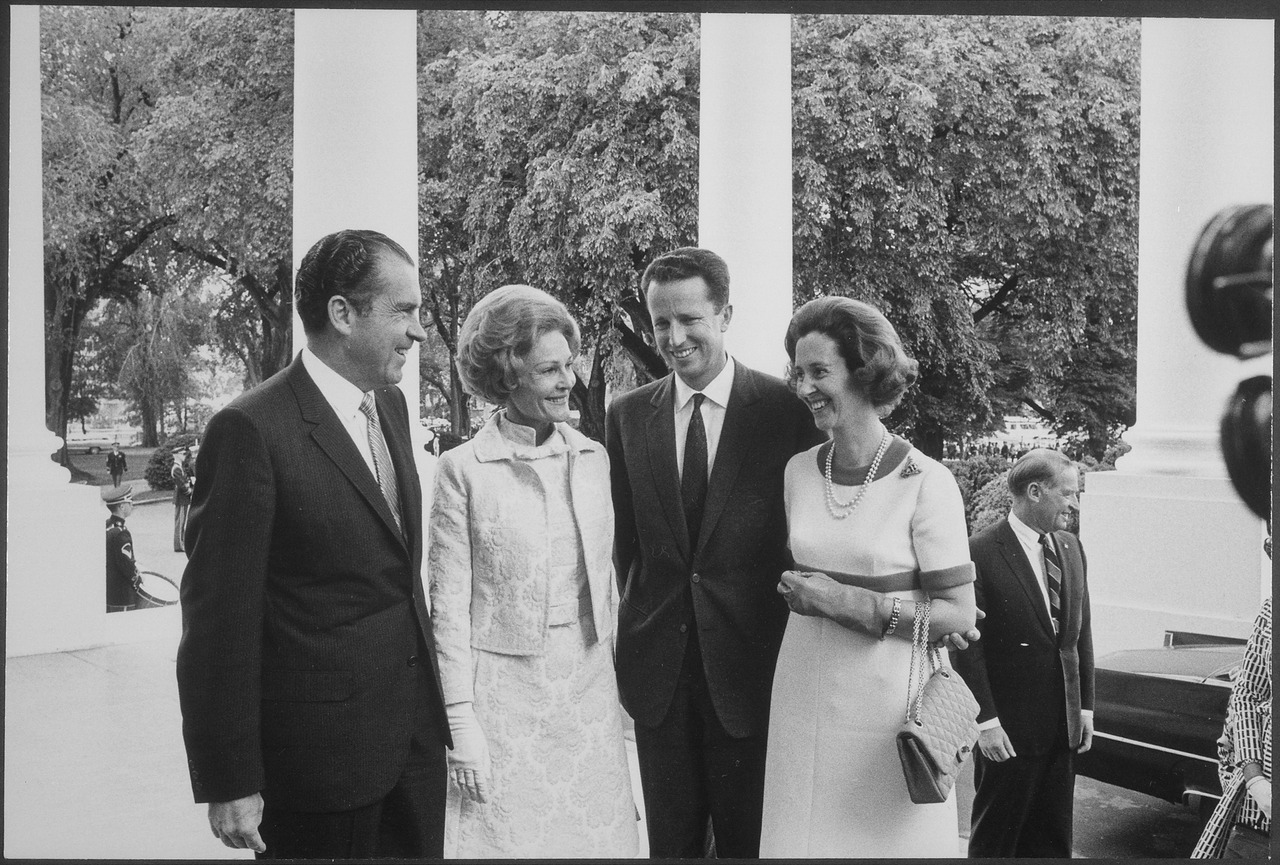
- Marriage in Brussels in 1960 to Doña Fabiola de Mora y Aragón: Brussels and Fabiola.
- Notable constitutional episode in 1990 involving legislation on abortion and the monarch's personal objections.
Decolonization and the Congo
The independence of the Belgian Congo in 1960 occurred during Baudouin's first decade as king and marked the end of Belgium's principal colonial territory. The transition led to political upheaval in the region and a period of strained relations that shaped Belgium's foreign and domestic policy debates for years. Historians treat the decolonization and subsequent Congo crisis as among the most consequential events of Baudouin's reign.
Personal life, health, and succession
Baudouin married Doña Fabiola in 1960, but the couple had no surviving children; several pregnancies ended in miscarriage. His private life remained discreet and strongly influenced by Catholic convictions. In later years he faced health problems and ultimately died of heart failure on 31 July 1993 (cause of death). With no direct heirs the crown passed to his younger brother, who became Albert II.
Reputation and legacy
Baudouin is remembered as a stabilizing figure who combined traditional royal dignity with steady public service over four decades. He attracted both admiration for his personal integrity and critique for moments when private beliefs intersected with public duties. Today his reign is studied for its role in Belgium's postwar evolution, the end of its colonial empire, and the gradual reshaping of the monarchy's place in a modern constitutional state.
For formal references and biographical entries in other languages, see discussions of his names and titles in French and Dutch (French, Dutch), of his office as King of the Belgians, and of family connections to Leopold III and Astrid. Contemporary accounts often refer to his wedding at Brussels to Fabiola, the medical note of his death, the succession by Albert II, and the historical significance of the Belgian Congo transition.
Related articles
Author
AlegsaOnline.com Baudouin I of Belgium: life, reign, and legacy Leandro Alegsa
URL: https://en.alegsaonline.com/art/114906
Sources
- nytimes.com : "Baudouin I, King of Belgium, Dies at 62,"
- nieuwsblad.be : Koningin Fabiola had vijf miskramen