
Baz Luhrmann — Australian film and theatre director
Baz Luhrmann (born 1962) is an Australian director and writer known for theatrical, music-driven films and flamboyant visual style, including Strictly Ballroom, Romeo + Juliet, Moulin Rouge! and Elvis.
Overview
Mark Anthony "Baz" Luhrmann (born 17 September 1962) is an Australian director, writer and producer whose work spans film, theatre and opera. He became internationally known in the 1990s through a set of highly stylized, music-centered films often grouped as a loose "Red Curtain" trilogy. Luhrmann's projects are notable for their vivid color, rapid editing, theatrical staging and eclectic use of popular music to reshape familiar stories.
Image gallery
4 Images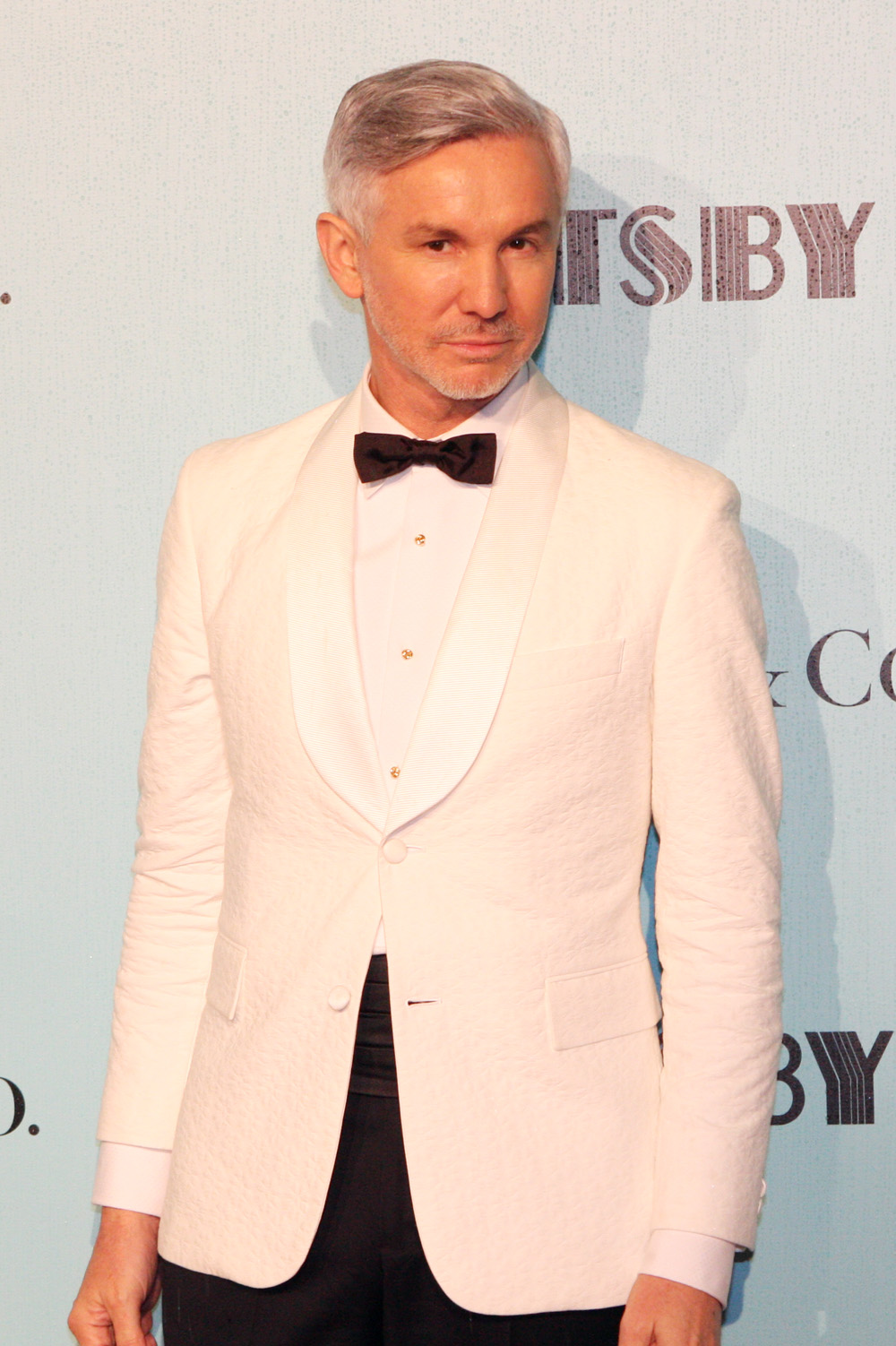



Artistic approach and characteristics
Luhrmann combines cinematic and stagecraft conventions: actors perform in heightened, theatrical modes; sets and costumes are deliberately exaggerated; and modern songs or sounds are frequently placed within historical or literary settings. This blending creates a distinctive, immersive spectacle that foregrounds emotion and rhythm. His films often employ montage, bold production design and dense soundtracks as narrative devices rather than simple background elements.
Career highlights and selected films
- Strictly Ballroom (1992) — a romantic comedy about competitive ballroom dancing that launched his reputation.
- Romeo + Juliet (1996) — a modernized adaptation of Shakespeare that mixes contemporary music and visuals with the original text.
- Moulin Rouge! (2001) — a music-filled romantic tragedy set in a stylized Paris nightclub, notable for its pop-driven score.
- Australia (2008) and The Great Gatsby (2013) — large-scale adaptations combining spectacle and popular music.
- Elvis (2022) — a biographical film exploring the life and cultural impact of Elvis Presley.
Background, collaborations and legacy
Luhrmann trained in dramatic arts in Australia and developed his career in both theatre and film. He frequently collaborates with a small creative team across production design, costume and music, which gives his work a consistent visual and sonic identity. Critics and audiences often praise his films for their imaginative production values, while some note that style sometimes outweighs narrative subtlety. Regardless, Luhrmann's influence is visible in how contemporary filmmakers and theatre-makers approach music, design and cross-genre storytelling.
Further reading
For an overview of his films and stage works see filmography and biography. Contemporary interviews and critical essays are useful for understanding his methods: interviews, critical perspectives. Production credits and design details can be explored at specialist sites: production notes and archival resources: archival materials.
Related articles
Author
AlegsaOnline.com Baz Luhrmann — Australian film and theatre director Leandro Alegsa
URL: https://en.alegsaonline.com/art/114909