
Barbara Stanwyck: Life, Career, and Cultural Legacy
Comprehensive overview of Barbara Stanwyck's life, career across stage, film and television, major performances, awards (including the Cecil B. DeMille Award) and her place in American screen history.
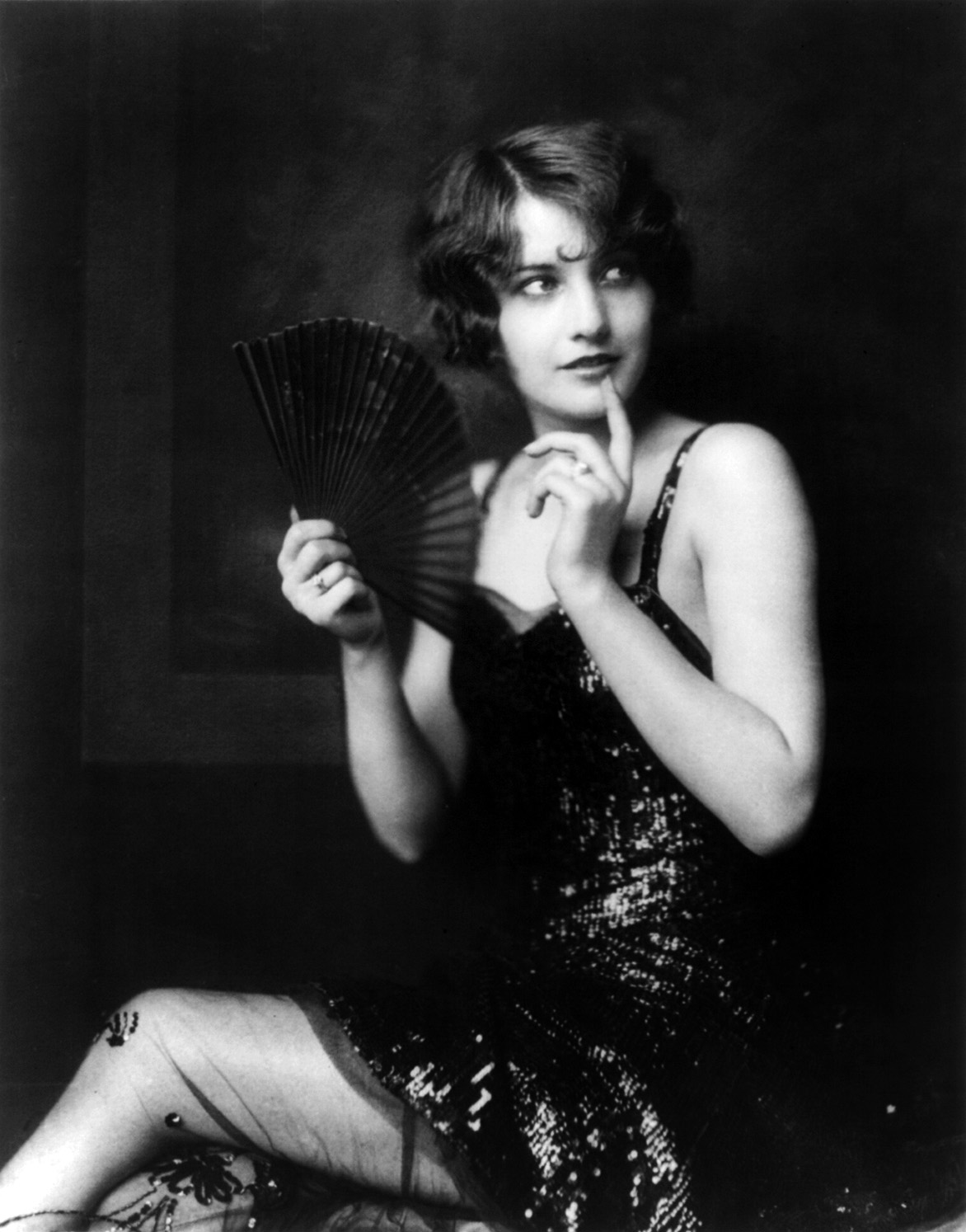
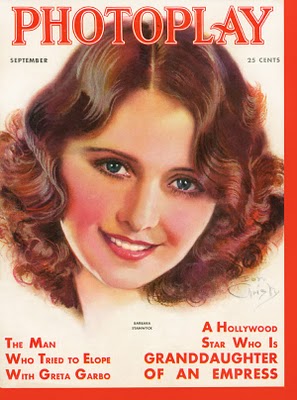
Barbara Stanwyck (born Ruby Stevens; July 16, 1907 – January 20, 1990) was an American actress whose career spanned vaudeville, Broadway, Hollywood films and television. She became widely admired for portraying strong, self-reliant women while also conveying emotional nuance. Stanwyck’s professional steadiness, economical acting style and work ethic made her one of the most durable and respected stars of the 20th century.
Image gallery
10 Images




Early life and stage background
Born in New York City and raised in modest circumstances, she began performing as a young woman in vaudeville and on the New York stage. Her early stage work and years in variety performance honed her timing and presence, skills that translated smoothly to the screen when she began appearing in films in the late 1920s and early 1930s. The discipline of stage acting contributed to the clarity and control that became hallmarks of her screen performances.
Hollywood breakthrough and film work
Stanwyck rose to prominence during the 1930s and 1940s, appearing in a wide variety of studio pictures. She was noted for roles in films such as Stella Dallas, the screwball comedy The Lady Eve, and the classic film noir Double Indemnity. She worked with prominent directors of the era and earned praise for her comic timing, dramatic restraint and the ability to make morally complex characters feel credible and empathetic.
Collaborations and range
Her career demonstrated considerable range: she moved between melodrama, comedy, crime drama and western-influenced material without losing the core qualities of her screen persona. Directors valued her professionalism and capacity to carry a film, and she developed notable collaborations with leading filmmakers of her time while remaining a dependable leading presence for major studios.
Television and later career
As the studio system shifted and television emerged as a dominant medium, Stanwyck successfully transitioned to the small screen. She appeared in anthology programs and later starred in the popular western drama The Big Valley, which introduced her to a new generation of viewers and demonstrated her adaptability to different formats and storytelling rhythms.
Awards, recognition and reputation
Stanwyck received many honors during and after her lifetime. She was presented with the Golden Globe Cecil B. DeMille Award in recognition of her career achievements. Film historians and critics frequently cite her among the great screen actresses of classical Hollywood; the American Film Institute placed her high on its list of the Greatest Female Stars of All Time. Although she was widely acclaimed and received multiple major award nominations, she did not win an Academy Award.
Legacy and influence
Stanwyck’s influence is visible in the way subsequent actresses and filmmakers approached roles that combined strength and vulnerability. Her economical approach to performance—doing much with little—remains a point of study in acting and film history. Retrospectives, biographies and curated film series continue to explore her work, emphasizing both her star power and her craft.
Selected film and television highlights
- Stella Dallas — noted early dramatic role that established her as a leading lady.
- The Lady Eve — acclaimed screwball comedy demonstrating her comic gifts.
- Double Indemnity — classic film noir often cited among her most memorable performances.
- The Big Valley — successful television series that extended her popularity into the 1960s.
For readers seeking further information, consult an authoritative film overview, listings of stage credits and archival materials about her television work. Biographical summaries and timelines provide context for her career and public life: see a concise biography, the American Film Institute's coverage of her place among the Greatest Female Stars and the AFI list entry referenced here. Information on her lifetime achievement recognition is available via the Golden Globe historical record at Cecil B. DeMille Award resources.
Stanwyck remains a central figure in studies of classical Hollywood stardom, women's screen representation and the evolution of acting technique from stage to screen. Her films and television episodes are frequently included in retrospectives and academic courses that examine genre, performance and star image in American popular culture.
Related articles
Author
AlegsaOnline.com Barbara Stanwyck: Life, Career, and Cultural Legacy Leandro Alegsa
URL: https://en.alegsaonline.com/art/114841