
Cecil B. DeMille
American filmmaker (1881–1959) known for pioneering Hollywood spectacle, grand biblical epics and showmanship across the silent and sound eras of cinema.
Overview
Cecil Blount DeMille (August 12, 1881 – January 21, 1959) was an American film director and producer whose career spanned the silent era into the age of widescreen sound. He became one of Hollywood's most famous showmen, celebrated for large-scale productions, elaborate sets and a flair for spectacle that brought religious and historical stories to mainstream audiences.
Image gallery
10 Images


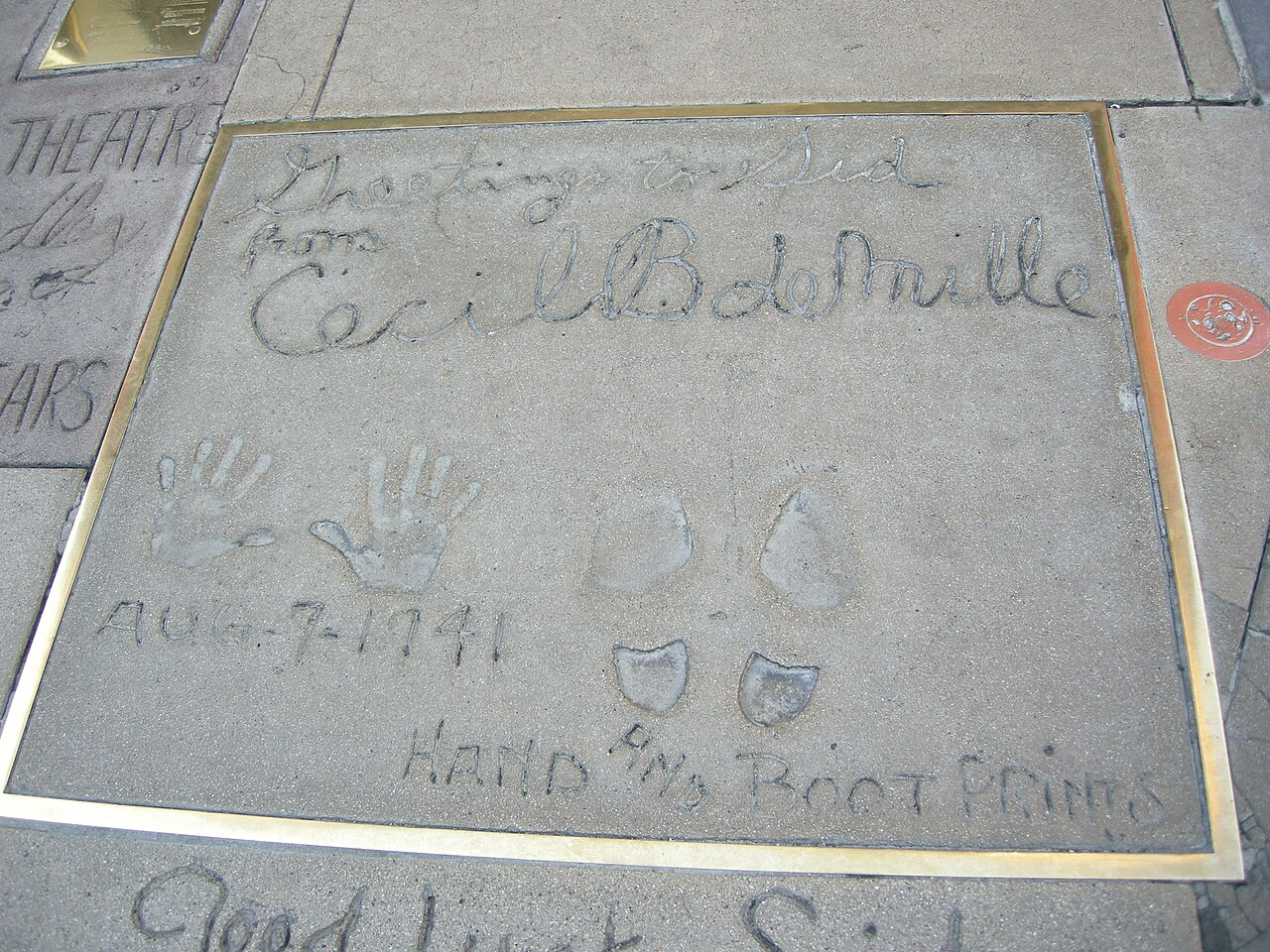


Style and characteristics
DeMille's films are marked by sweeping visuals, crowd scenes, lavish costumes and an emphasis on moral drama. Trained originally in theater, he translated stage techniques into cinema with carefully composed tableaux and dramatic staging. He favored narratives that combined melodrama with moral or biblical themes, and his work frequently aimed for emotional and visual impact rather than subtle realism.
Career and development
Beginning work in the 1910s, DeMille was an early, high-profile director and became a central figure in the studio era. He was involved with the company that evolved into Paramount Pictures and directed and produced many commercial and critical successes. DeMille successfully adapted to technological changes in the industry, moving from silent pictures to talking films and later to big-budget studio spectacles.
Notable films and achievements
- Cleopatra (1934) — an early example of his interest in historical spectacle.
- Samson and Delilah (1949) — a lavish biblical drama that revived interest in the genre.
- The Greatest Show on Earth (1952) — produced by DeMille and awarded the Academy Award for Best Picture.
- The Ten Commandments (1956) — his final major film, famous for its large scale and the parting of the Red Sea sequence.
For more on his films and production methods see biographical resources, a detailed filmography, and archival material at reference collections.
Legacy and significance
DeMille helped define the Hollywood epic and influenced generations of filmmakers who sought to combine storytelling with visual grandeur. While critics sometimes charged his movies with excess or melodrama, his box-office success and technical innovations—particularly in staging large-scale sequences and using practical effects—left a lasting imprint on popular cinema. He is remembered both for shaping studio-era spectacle and for bringing religious and historical narratives into mainstream entertainment.
Notable facts
- He worked with many leading actors of his time and was known for demanding polished performances suited to his dramatic style.
- His career bridged important transitions in the industry, including the move from silent to sound films.
- DeMille's name remains synonymous with cinematic showmanship and large-scale production values.
Author
AlegsaOnline.com Cecil B. DeMille Leandro Alegsa
URL: https://en.alegsaonline.com/art/136260