
Bapu (Satthiraju Lakshmi Narayana): Indian film director, artist and illustrator
Overview of Bapu (1933–2014), a celebrated Telugu film director and multifaceted artist known for films, paintings, illustrations and contributions to Indian visual culture.
Overview
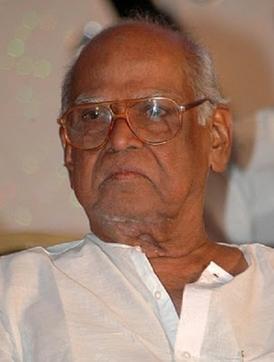
Satthiraju Lakshmi Narayana, widely known by his professional name Bapu (1933–2014), was a prominent Indian creative figure best known for his work as a film director. He built a reputation in mainstream and regional cinema and is frequently associated with the aesthetic traditions of Telugu cinema. His career combined filmmaking with a strong visual sensibility derived from other arts.
Image gallery
4 Images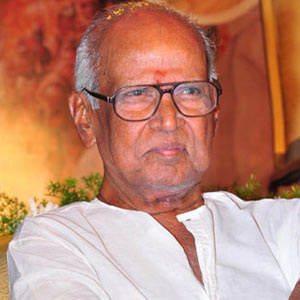


Career and cinematic style
Bapu directed narrative features that often emphasized clear storytelling, period detail, and stylized composition. Critics and audiences noted the distinctive frames, attention to costume and set design, and a gentle blend of humour and moral themes. He worked across genres, directing family dramas and mythological films as well as light comedies, and collaborated with writers, composers and actors across regional and national cinema. His contribution to Indian film is frequently introduced in surveys of Indian cinema.
Notable films
- Hum Paanch — a Hindi-language film that brought Bapu recognition beyond regional audiences.
- Pelli Pustakam — a film with a domestic focus that highlights interpersonal relationships.
- Mister Pellam — one of his well-known Telugu-language family comedies/dramas.
- Seeta Kalyanam and Sri Rama Rajyam — examples of his engagement with mythological subjects.
Other artistic work
Bapu was active beyond film. He was involved in music and design, worked as a music artist, and was widely respected as a painter. His illustrations and book art are well regarded in Telugu literary circles; he produced illustrations and cover art and is recognized as an illustrator and cartoonist. He also contributed to visual identity projects as a designer.
Awards, legacy and death
In recognition of his long career across multiple art forms, he received national honours, including the Padma Shri in 2013. Bapu's influence persists through reprints of his illustrations, retrospectives of his films, and the many filmmakers and artists who cite his visual approach. He died of cardiac arrest on August 31, 2014, in Chennai, India, leaving a legacy as a bridge between popular cinema and classical visual traditions.
Related articles
Author
AlegsaOnline.com Bapu (Satthiraju Lakshmi Narayana): Indian film director, artist and illustrator Leandro Alegsa
URL: https://en.alegsaonline.com/art/114813
Sources
- entertainment.oneindia.in : Balakrishna to act in Bapu's mythological film – Oneindia Entertainment
- indiatoday.intoday.in : "Celebrities mourn the death of Telugu filmmaker Bapu"