
Baarle-Nassau: Dutch municipality notable for its Belgian enclaves
Baarle-Nassau is a municipality in the Netherlands, famed for its patchwork of Belgian enclaves. It had about 6,847 inhabitants in 2019 and is a frequent subject of border studies and tourism.
Overview
Baarle-Nassau is a small municipality in the Netherlands, located in the province of North Brabant. It had approximately 6,847 residents in 2019. The municipality is best known for an unusually intricate international boundary with neighboring Belgium.
Image gallery
7 Images


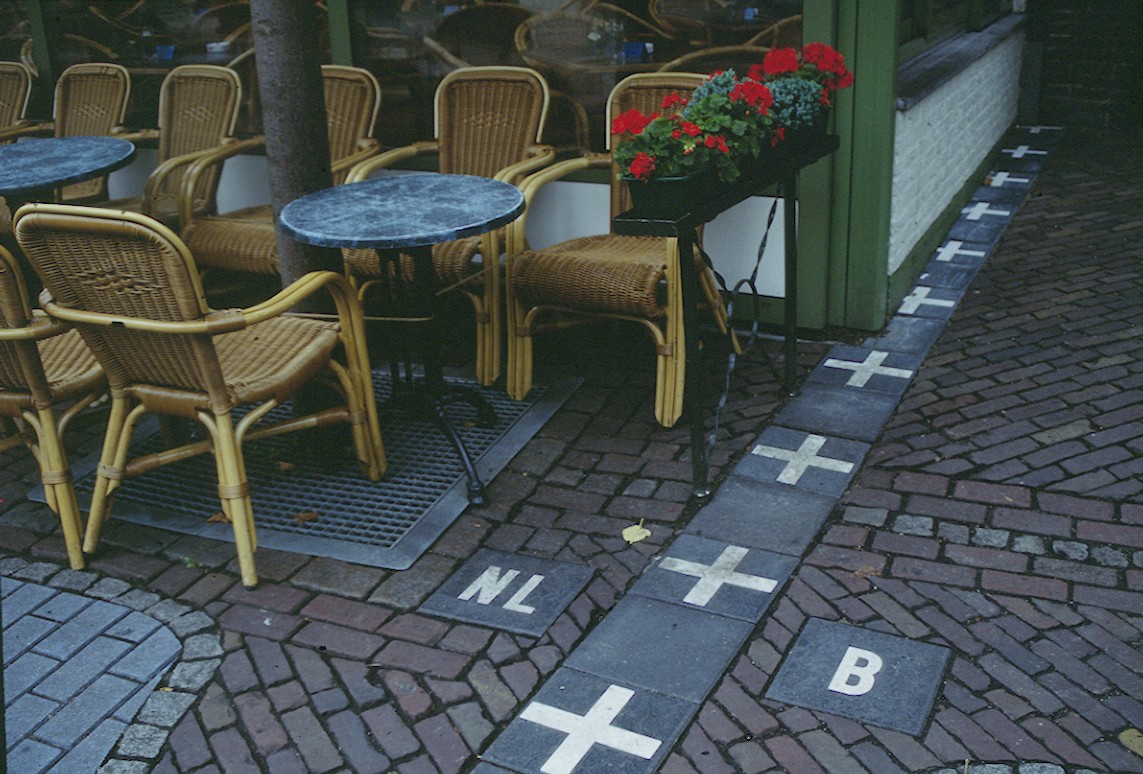
Border complexity and layout
The municipality surrounds a collection of Belgian enclaves belonging to the municipality of Baarle-Hertog. These enclaves and counter-enclaves interlock in a mosaic: some Belgian parcels lie entirely within Dutch territory, and a few of those Belgian parcels themselves contain small Dutch exclaves. The border in many places runs along streets, through gardens and sometimes even through individual buildings.
Historical background
The odd territorial pattern dates back to medieval feudal landholdings and local agreements that were never fully consolidated into a single national boundary. Over centuries these split land titles persisted, later being formalized into the modern municipal and national borders. The result is a durable, locally rooted map anomaly rather than a modern political invention.
Everyday effects and administration
Practical consequences affect addresses, taxation, utility provision and municipal services: a single house can be subject to different rules depending on which side of the internal border its front door faces. Since both countries are in the Schengen Area, routine border controls are absent, though differences in national regulations and services remain important for residents and businesses.
Significance and tourism
Baarle-Nassau and its Belgian counterparts attract visitors interested in geography, law and quirky travel experiences. Walking tours, maps that explain the enclaves and photo opportunities at buildings bisected by the frontier are common. The situation also draws attention from scholars of borders, sovereignty and municipal governance as an unusual but well-documented example of long-standing territorial complexity.
- Notable features: enclave/counter-enclave pattern, split buildings, tourism interest.
- Academic interest: case studies in border studies and local administration.
For further practical details and visitor information consult local municipal resources or regional guides that cover cross-border arrangements and maps.
Related articles
Author
AlegsaOnline.com Baarle-Nassau: Dutch municipality notable for its Belgian enclaves Leandro Alegsa
URL: https://en.alegsaonline.com/art/114788