
Bad Kissingen — Bavarian spa town and cultural resort
Bad Kissingen is a historic spa town in Bavaria, Germany, known for its mineral springs, 19th‑century Kur architecture, festivals and inclusion in the Great Spa Towns of Europe UNESCO listing.
Overview
Bad Kissingen is a well‑known spa town in the region of Bavaria in Germany. It lies on the Franconian Saale and had roughly 22,421 residents around 2020. The town functions as a center for health tourism, local administration and cultural events.
Image gallery
10 Images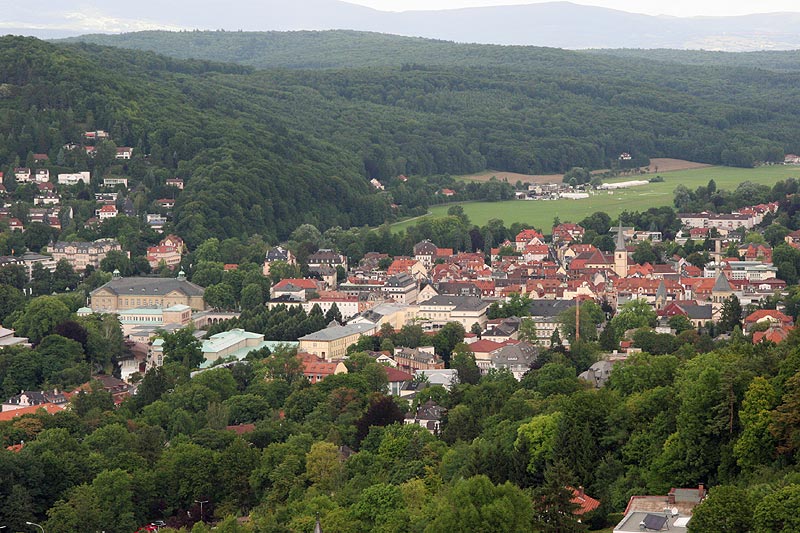




Spa tradition and health services
Bad Kissingen's identity is built on natural mineral springs and 19th‑century spa practice. Visitors come for balneotherapy, inhalation treatments and outpatient wellness programs. The town developed promenades, Pump Halls and Kurparks to support long stays and therapeutic sequences.
Main sites and architecture
Large spa complexes and concert halls define the townscape. Notable elements include:
- the Kurpark and Wandelhalle (historic spa promenade and pump room),
- the Regentenbau (concert and congress hall),
- period hotels, spa pavilions and villas from the 19th and early 20th centuries,
- a traditional casino and riverside promenades.
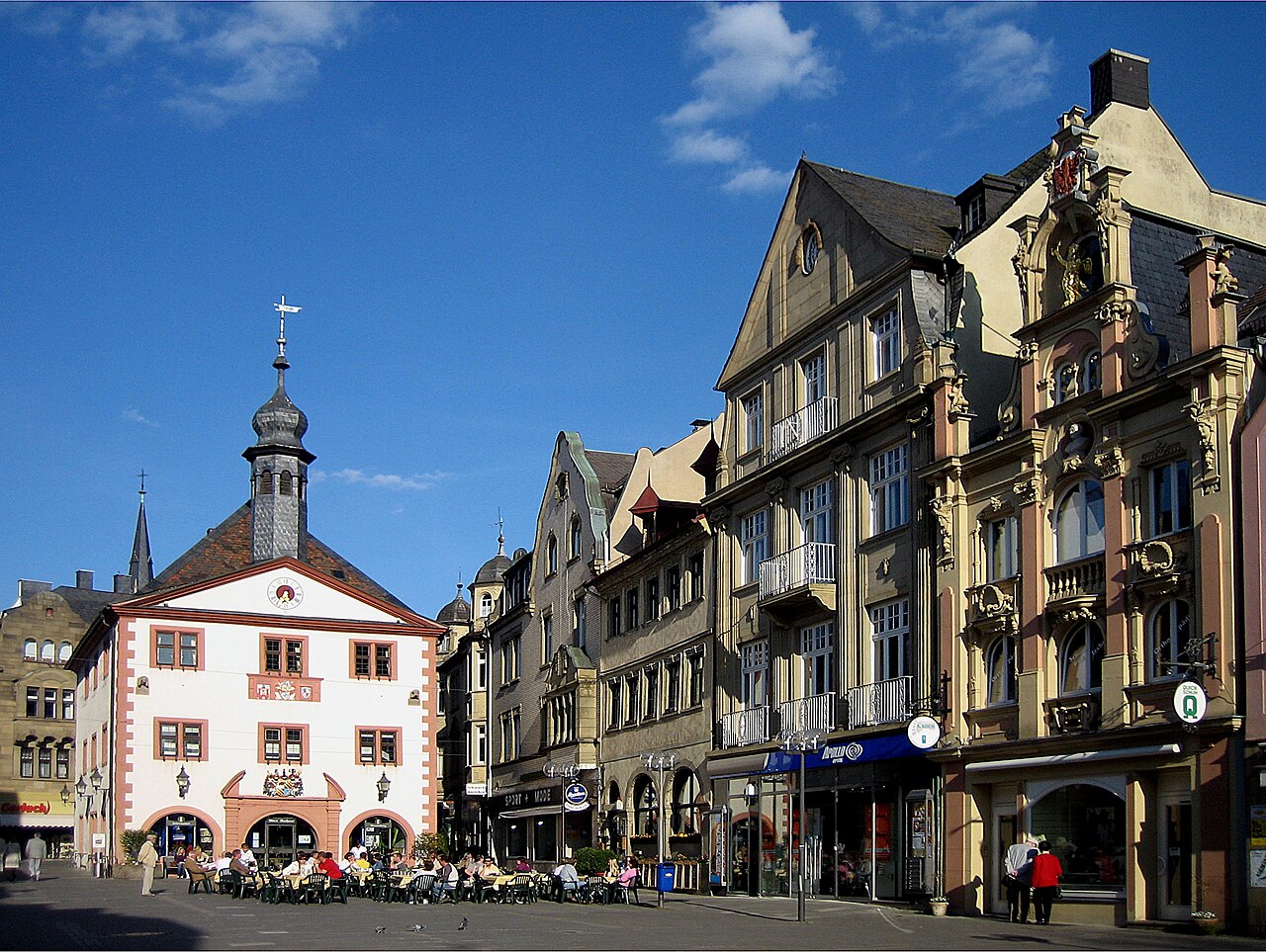
The ensemble of parks, spa buildings and therapeutic infrastructure gives the town a distinctive appearance that blends classicism and resort architecture.
History and cultural life
Although settlements in the area date back earlier, Bad Kissingen rose to prominence in the 18th and especially the 19th century when health travel expanded across Europe. It attracted visitors from aristocratic and cultural circles and later became a public destination for a broader clientele. Today the town hosts the annual Kissinger Sommer classical music festival and various cultural programs that draw regional and international audiences.
Recognition, economy and access
In recognition of its historic spa landscape, Bad Kissingen was included in the UNESCO listing "Great Spa Towns of Europe". Its economy remains centered on tourism, medical and wellness services, hospitality and events. The town is accessible by regional rail and road links and serves as a model of preserved spa town planning within Bavaria.
Related articles
Author
AlegsaOnline.com Bad Kissingen — Bavarian spa town and cultural resort Leandro Alegsa
URL: https://en.alegsaonline.com/art/114794
Sources
- destatis.de : "Alle politisch selbständigen Gemeinden mit ausgewählten Merkmalen am 31.12.2018 (4. Quartal)"
- statistikdaten.bayern.de : "Fortschreibung des Bevölkerungsstandes"