
Augustus FitzRoy, 3rd Duke of Grafton — British Whig statesman and prime minister
Augustus Henry FitzRoy, 3rd Duke of Grafton (1735–1811), was a British Whig aristocrat who served as Prime Minister (1768–1770). His ministry navigated domestic controversy and early tensions with the American colonies.
Augustus Henry FitzRoy, 3rd Duke of Grafton (1735–1811) was an English aristocrat and Whig politician who served as Prime Minister of Great Britain from 1768 until 1770. A member of the senior aristocracy, he held high honours including membership of the Privy Council and investiture as a Knight of the Garter. His premiership occurred during a turbulent decade of domestic political disputes and the first signs of imperial strain across the Atlantic.
Image gallery
8 Images


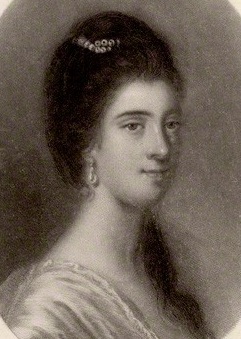
Overview and political identity
FitzRoy belonged to the Whig tradition, a political grouping that emphasized parliamentary influence and negotiated governance. As a leading nobleman of his day he combined dynastic status with active participation in ministerial life. His time as head of government is often remembered as a transitional ministry that struggled to maintain cohesion among rival factions and to reconcile the demands of the Crown, Parliament and public opinion.
Career highlights and responsibilities
During his parliamentary career FitzRoy occupied several important offices and worked with prominent politicians of his era. Appointed Prime Minister in 1768, his administration attempted to manage competing interests in an increasingly polarized political scene. The government faced high-profile controversies, including disputes over liberty and press freedom at home and mounting opposition to metropolitan policy in North America. In 1770 he resigned the premiership and was succeeded by Lord North.
Context, controversies and significance
Two themes shaped FitzRoy's time in office: an efflorescence of public political debate in Britain and the early stages of the constitutional crisis that would later become the American Revolution. His ministry contended with personalities and legal questions that tested limits of parliamentary privilege and royal influence. Historians view his administration both as an example of aristocratic government and as evidence of how shifting political alignments made stable coalitions difficult.
Later life and legacy
After leaving the premiership FitzRoy remained a figure of the political establishment and retained his ducal rank. He is noted in studies of 18th‑century British politics as one of the few dukes to have held the office of prime minister, a fact that underlines the continuing prominence of the aristocracy in that period. His career illustrates how personal networks, party tendencies, and public controversy interacted in Georgian Britain.
Notable facts
- He is commonly described as a leading Whig politician of his generation.
- He served as Prime Minister during a time of rising colonial tension and contentious domestic cases that tested civil liberties.
- He remains an example of the aristocratic prime ministership; historians sometimes mention him among the dukes who served as prime ministers.
- Further biographical and documentary resources may be consulted for detailed study: see archival guides and contemporary collections on Georgian governance (primary sources and scholarly work).
For readers seeking a concise portrait: FitzRoy's premiership was short but revealing of wider changes in British political life, showing how noble rank, party identity and the pressures of public controversy combined to influence government during the later Georgian era.
Related articles
Author
AlegsaOnline.com Augustus FitzRoy, 3rd Duke of Grafton — British Whig statesman and prime minister Leandro Alegsa
URL: https://en.alegsaonline.com/art/114721