
Lady Gregory (Isabella Augusta Gregory): Irish playwright, folklorist and theatre manager
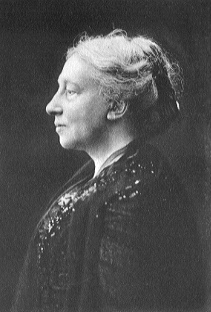
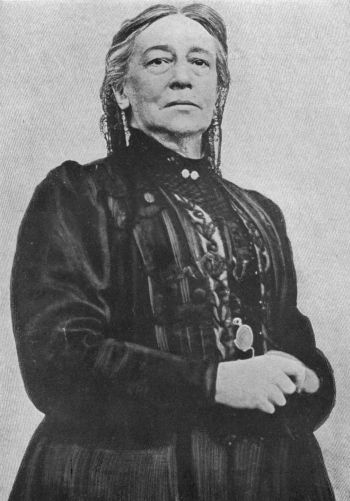
Isabella Augusta Gregory (1852–1932), known as Lady Gregory, was a central figure in the Irish Literary Revival: a playwright, collector of Irish folklore and co‑founder and manager of the Abbey Theatre.
Isabella Augusta Gregory (15 March 1852 – 22 May 1932), commonly called Lady Gregory, was an Irish dramatist, folklorist and theatre manager. She played a leading role in the Irish Literary Revival and worked closely with contemporaries such as W. B. Yeats to create new institutions for Irish drama, including the Irish Literary Theatre and the Abbey Theatre.
Born Isabella Augusta Persse at Roxborough, County Galway, she married the politician and art collector Sir William Henry Gregory and later settled at Coole Park, which became a gathering place for writers, artists and nationalists. Her upbringing and life in rural west Ireland informed much of her literary activity: she collected local tales, preserved oral traditions and fashioned them into accessible retellings for an English‑speaking readership.
Image gallery
4 Images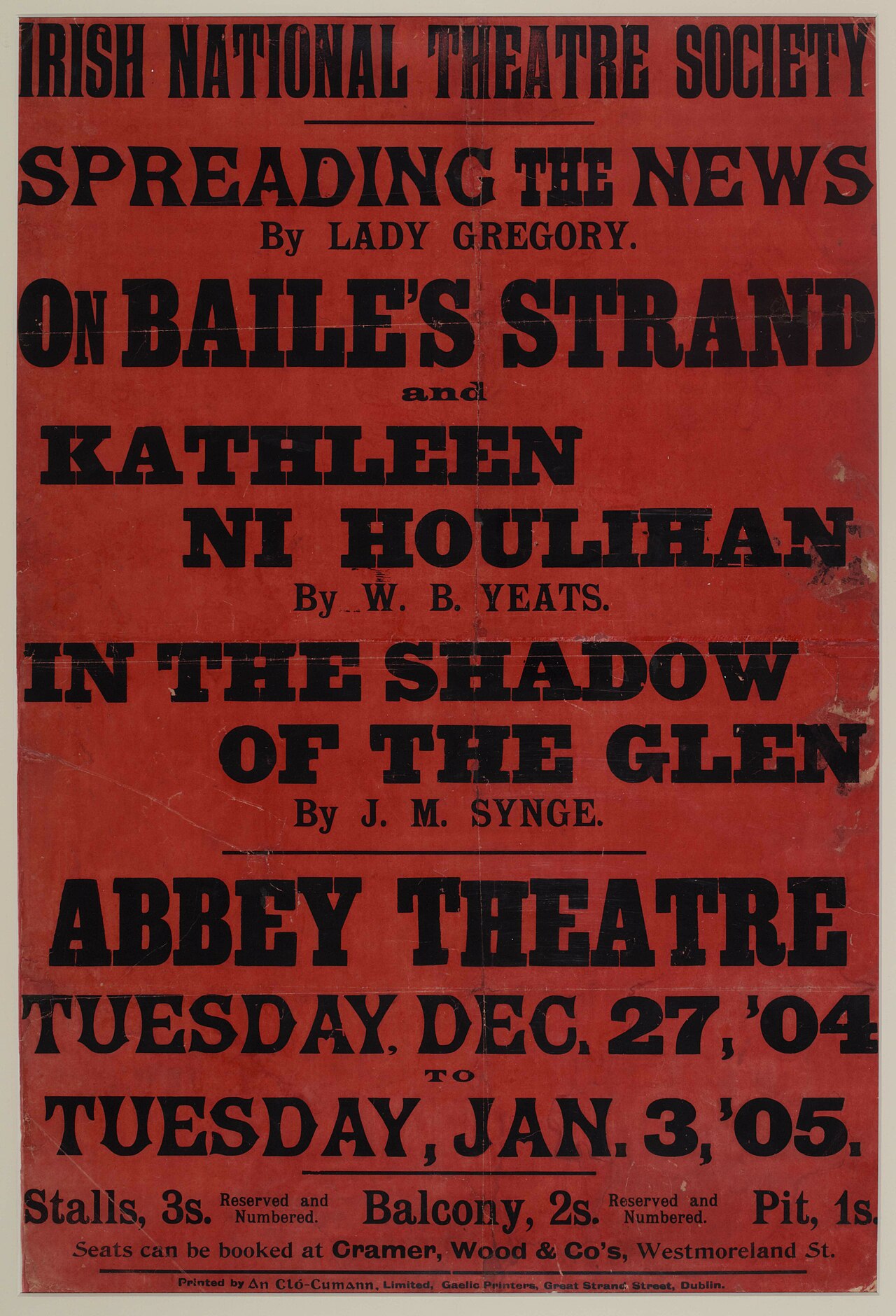

Works and folkloric collections
Lady Gregory published numerous short plays and several influential books that retold episodes from Irish myth and legend in clear, idiomatic English. She aimed to make the rich Gaelic cycles available to a wider audience rather than to provide literal translations. Two of her best known compilations are often cited as sources for later readers and dramatists.
- Cuchulain of Muirthemne — a prose retelling of the Ulster Cycle episodes adapted for modern readers;
- Gods and Fighting Men — a collection that presents mythic material from the old Irish tradition in narrative form.
Role at the Abbey and influence on modern Irish drama
Alongside Yeats and Edward Martyn, Lady Gregory helped manage the early years of the Abbey Theatre in Dublin, nurturing new Irish playwrights and overseeing productions. Her taste favored plays grounded in rural life and folk speech; she also served as a practical administrator, host and sometime director. The Abbey became a focal point of cultural debate—performances such as J. M. Synge's The Playboy of the Western World provoked passionate responses—and Lady Gregory was central to balancing artistic ambitions with public controversies.
Her dramatic output includes many short plays and pieces intended for small companies; she was valued as a mentor and correspondent by younger writers and played a diplomatic role in the movement that promoted an Irish national literature and theatre in English.
Ill health led Lady Gregory to retire from most public duties in 1928. She died in 1932 at the age of 80, having suffered from breast cancer. Her manuscripts, letters and the memory of the Coole gatherings remain important sources for scholars studying the Irish Literary Revival and the development of modern Irish theatre.
Related articles
Author
AlegsaOnline.com Lady Gregory (Isabella Augusta Gregory): Irish playwright, folklorist and theatre manager Leandro Alegsa
URL: https://en.alegsaonline.com/art/114705
Sources
- biography.com : "Isabella Augusta Persse"
- geni.com : "Lady Isabella Augusta Gregory"