
Anwar al-Awlaki: Yemeni–American imam and extremist propagandist
Anwar al-Awlaki (1971–2011) was a U.S.-born imam who became a prominent online recruiter and propagandist linked to al-Qaeda in the Arabian Peninsula; his killing ignited legal and policy debates.
Overview
Anwar al-Awlaki was a U.S.-born cleric of Yemeni heritage who rose to prominence in the 2000s as an English-language preacher and later as an influential voice for extremist causes. His Arabic name is noted in many sources as أنور العولقي. Often described in media and government accounts as a Yemeni–American religious figure and imam, al-Awlaki became associated with radical elements of al-Qaeda and particularly with al-Qaeda in the Arabian Peninsula (AQAP). Over several years his recorded sermons, writings and online lectures were widely circulated in English and Arabic and were cited by investigators in connection with several violent attacks and plots.
Image gallery
4 Images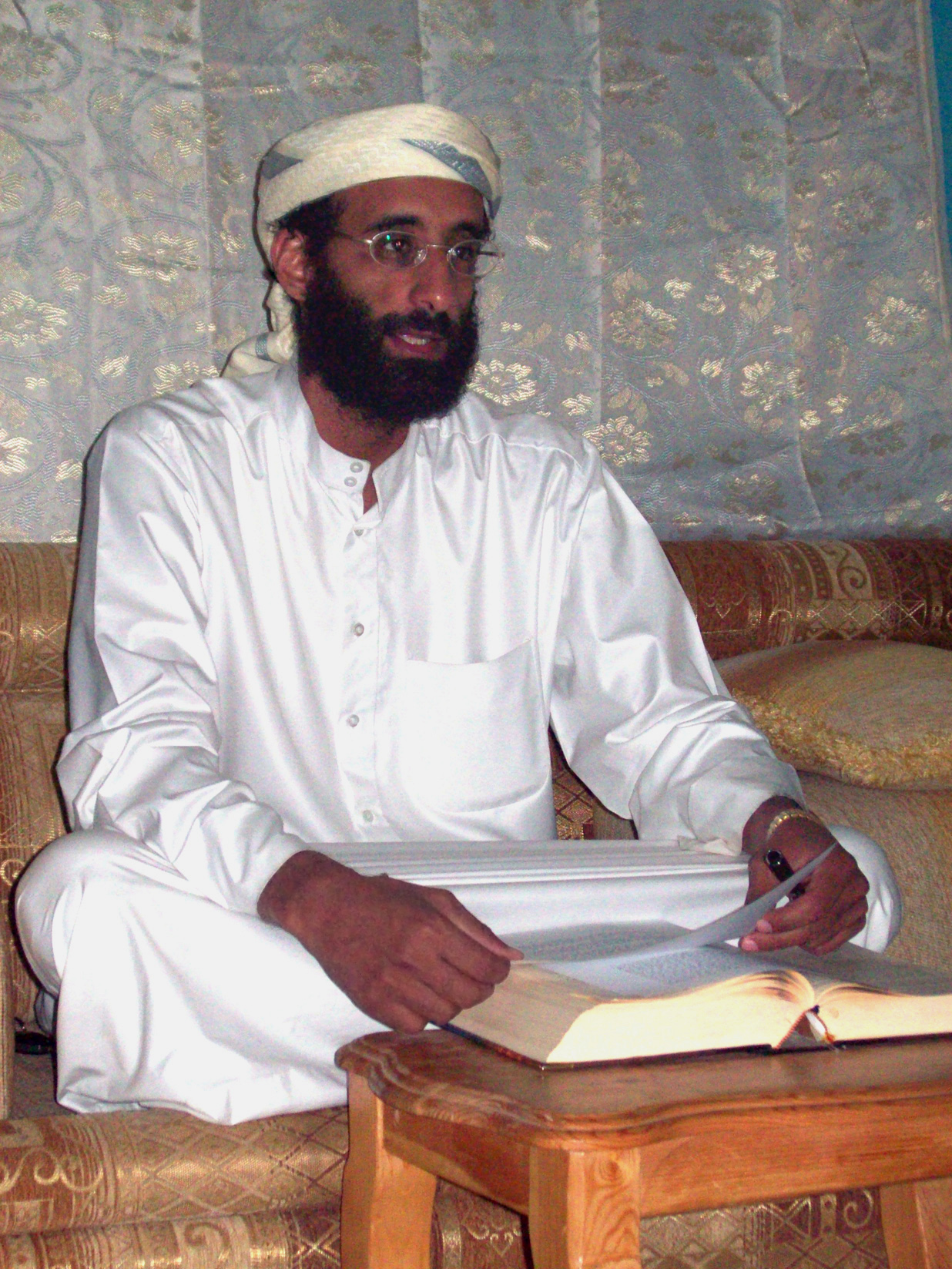



Background and roles
Al-Awlaki spent part of his childhood and adulthood in both the United States and Yemen and preached at mosques in the United States before leaving the country. He spoke fluent English and Arabic, which helped his messages reach Western audiences. Law enforcement and intelligence agencies traced contacts and communications between al-Awlaki and individuals later implicated in attacks or attempted attacks, including correspondence and recorded speeches that were later linked to acts of violence. Because of this record he is often described as a recruiter and motivational speaker whose online materials attracted followers around the world.
- Early activities: served as an imam at U.S. mosques and became well known in English-speaking Muslim communities.
- Online presence: produced lectures and videos that spread via websites and social media platforms.
- Alleged connections: U.S. authorities cited his influence in investigations of several attackers.
In response to concern about his online material, technology companies and governments took action: after congressional attention in 2010, Google and other platforms removed many of his videos and messaging from public view. Nevertheless, analysts have noted that material attributed to him continued to circulate and that his recorded statements retained an audience after his death.
Death, legal debates, and legacy
Al-Awlaki was killed in Yemen on September 30, 2011 in an operation by U.S. forces using an aerial strike; U.S. officials publicly stated that the strike had been authorized by the executive branch. The action made him the first U.S. citizen publicly acknowledged to be targeted and killed by a U.S. drone strike, a fact that generated intense legal and ethical debate about due process and executive power. The strike was associated with orders given during the administration of President Barack Obama, and subsequent related operations in Yemen and elsewhere continued to prompt discussion about targeting, civilian harm, and oversight.
Family losses tied to these operations added to the controversy. A teenage son, Abdulrahman, was killed by a U.S. strike in Yemen later in 2011; years after, in a separate Yemen raid, his young daughter Nawar was also reported killed during a 2017 operation ordered in the administration of President Donald Trump. Reporting and commentary sometimes referred to al-Awlaki as the "bin Laden of the Internet" because of his role in producing persuasive English-language extremist material. Major outlets, including The New York Times, examined how his words may have influenced later individuals and incidents, with some analyses suggesting his posthumous reach remained significant (inspiring acts reported by investigators).
Controversies and continuing significance
The case of al-Awlaki sits at the intersection of counterterrorism, free speech, and national security law. Critics argued that targeting a citizen without trial set a concerning precedent and raised questions about the standards used to determine imminent threat and lawful force. Supporters of the operation argued that al-Awlaki was an operational leader of an extremist organization and that action against him prevented further attacks. The episode influenced changes in policy and corporate moderation practices while remaining a touchstone in discussions about how democracies confront transnational terrorism in the digital age.
For further reading and primary-source references, see government releases and contemporary reporting linked in official and journalistic archives. More detailed timelines and investigative reports examine his movements, public statements, and the legal memoranda that underpinned decisions to target him and associated figures.
drone strike | al-Qaeda | imam | Arabic name | American–Yemeni | Obama | Trump | bin Laden | Google | NYT | influence
Related articles
Author
AlegsaOnline.com Anwar al-Awlaki: Yemeni–American imam and extremist propagandist Leandro Alegsa
URL: https://en.alegsaonline.com/art/114486
Sources
- today.msnbc.msn.com : "Born in US, Al-Awlaki was his birth nation's sworn enemy" · archive.today
- startribune.com : "U.S. imam wanted in Yemen over Al-Qaida suspicions"
- cbsnews.com : "Al-Awlaki May Be Al Qaeda Recruiter" · web.archive.org
- nydailynews.com : "Fort Hood gunman Nidal Hasan 'is a hero':"
- abcnews.go.com : How Anwar Al-Awlaki Inspired Terror From Across the Globe
- hrw.org : "Q & A: US Targeted Killings and International Law"
- jpost.com : A NEW STRATEGY AGAINST ISIS
- nytimes.com : "Two-Year Manhunt Led to Killing of Awlaki in Yemen"
- democracynow.org : "Yemen: Jeremy Scahill & Advocates Question "Success" of Trump Raid That Killed 24 Civilians"
- uk.reuters.com : "Commando dies in U.S. raid in Yemen, first military op OK'd by Trump"
- npr.org : "Trump Aims For Big Splash In Taking On Terror Fight"
- 6abc.com : "1 US service member killed, 3 wounded in Yemen raid"