
Anthony Minghella: British Filmmaker, Screenwriter and Director
Overview of the life, work and legacy of Anthony Minghella, the British director and screenwriter known for The English Patient, The Talented Mr. Ripley and Truly, Madly, Deeply.
Overview
Anthony Minghella (6 January 1954 – 18 March 2008) was a British film director, producer and screenwriter of Italian descent. Born on the Isle of Wight, he became known for intimate, emotionally resonant cinema and for adapting complex novels to the screen. Minghella worked across theatre, television and film and is remembered for strong visual storytelling, layered characters and an emphasis on memory, desire and identity.
Image gallery
1 Image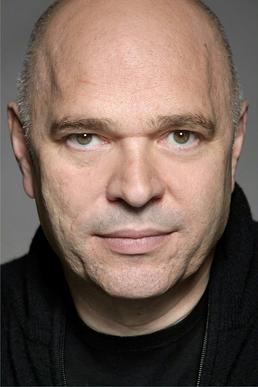
Artistic characteristics
Minghella's films frequently combine lyrical imagery with close attention to performance. He favored human-scale dramas in which small gestures and silences carry meaning. His adaptations tended to preserve the emotional core of their source material while reworking narrative structure for cinematic effect. Critics often noted his skill at guiding ensemble casts and at creating atmospheres in which place and memory interweave.
Major films and adaptations
- Truly, Madly, Deeply – a tender, bittersweet story about love and grief that established Minghella's reputation as a writer-director.
- The English Patient – an adaptation of Michael Ondaatje's novel that brought Minghella international acclaim for its sweeping visuals and complex emotional storytelling.
- The Talented Mr. Ripley – a psychological thriller adapted from Patricia Highsmith's novel, noted for its tension and moral ambiguity.
- Cold Mountain – a literary adaptation exploring love and survival against the backdrop of war, showcasing Minghella's scope in handling period material.
Awards and recognition
Minghella received multiple industry awards and nominations, including top honours for directing and screenwriting. He won prestigious awards for both original and adapted screenplays and received recognition from major film institutions for his direction. His work raised the international profile of British cinema in the 1990s and early 2000s.
Personal life, illness and death
Of Italian heritage and born on the Isle of Wight, Minghella came from a family engaged with writing and the arts; his brother is also a screenwriter. He had two children, including the actor Max Minghella. Late in life he battled cancer of the throat and neck; following an operation he suffered a cerebral haemorrhage and died in hospital in London. His passing prompted widespread tributes from colleagues and critics who admired his humane filmmaking.
Legacy and influence
Minghella left a legacy as a filmmaker who balanced literary ambition with accessibility. His adaptations are often studied for their approach to translating novels into film, and his direction is cited by filmmakers interested in performance-driven, emotionally layered cinema. He also influenced British screenwriting and production through collaborations and mentorship.
Further reading and resources
Selected links to biographies, interviews and filmographies: Biography, Filmography, Interviews, Essays on his films, Early life and family, Isle of Wight background, Awards overview, Screenwriting credits, The English Patient resources, Academy Awards notes, The Talented Mr. Ripley material, Health and treatment, Medical context, Neck cancer information, Hospital and care, London connections, Tributes and obituaries, Family and descendants.
For readers seeking a deeper understanding of his films, exploring his major adaptations side by side with their literary sources is a practical way to see how Minghella translated inner lives and narrative tension into cinematic form.
Related articles
Author
AlegsaOnline.com Anthony Minghella: British Filmmaker, Screenwriter and Director Leandro Alegsa
URL: https://en.alegsaonline.com/art/114391
Sources
- guardian.co.uk : Guardian obituary