
Anthony Perkins — American actor best known for Norman Bates (1932–1992)
Anthony Perkins was an American actor and stage performer who achieved international fame as Norman Bates in Alfred Hitchcock's Psycho and later reprised the role in several sequels.
Overview
Anthony Perkins was an American film, stage and television performer whose career spanned more than three decades. He became widely identified with the psychologically complex character Norman Bates in Alfred Hitchcock's Psycho (1960) and returned to the role in subsequent sequels. Perkins combined a sensitive screen presence with an ability to suggest inner turmoil, and his portrayal of Bates became one of the most enduring figures in film history. Actor and performer by trade, he worked across mediums throughout his life. Career retrospectives often note his versatility beyond the part that made him a household name.
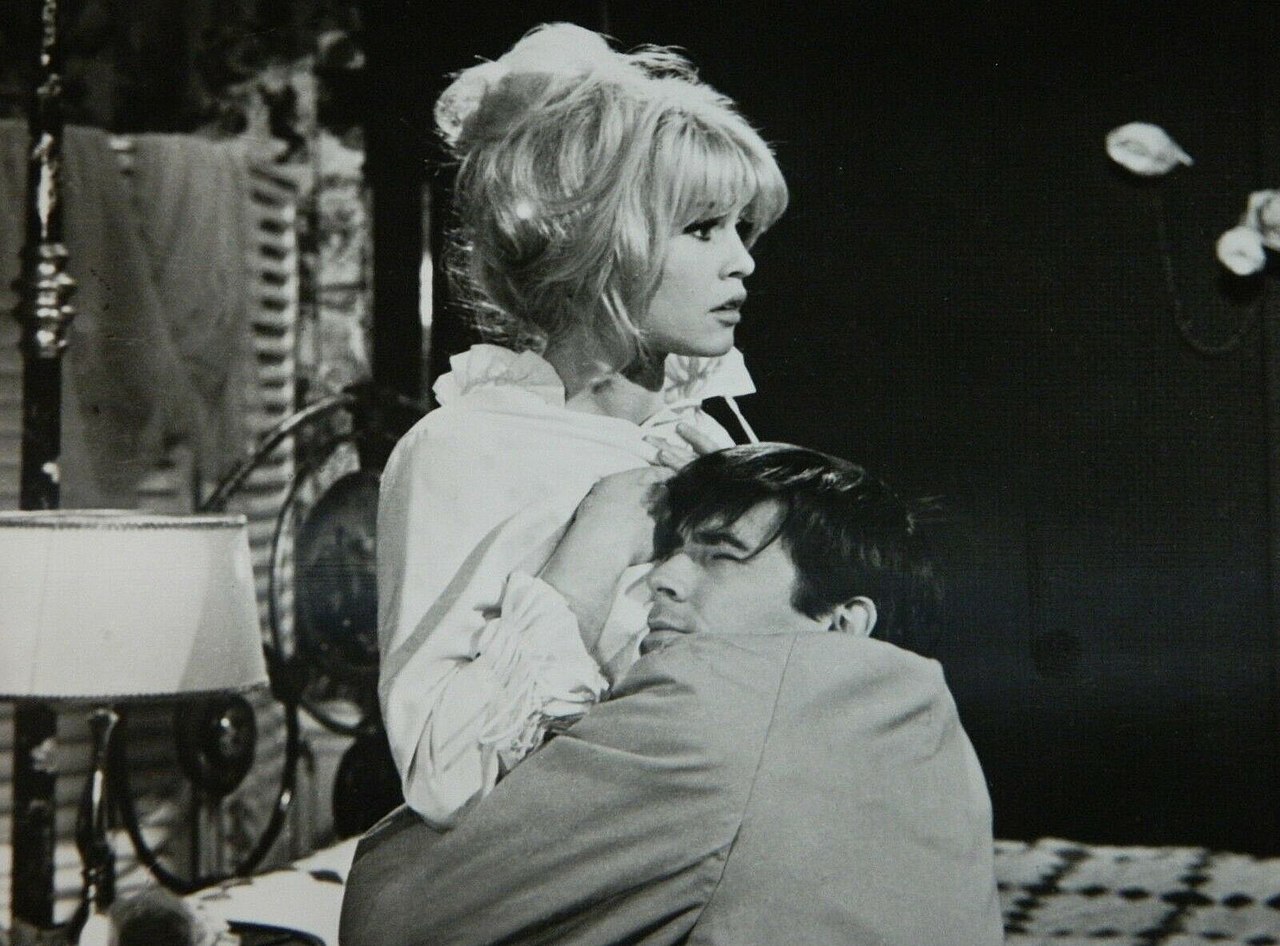
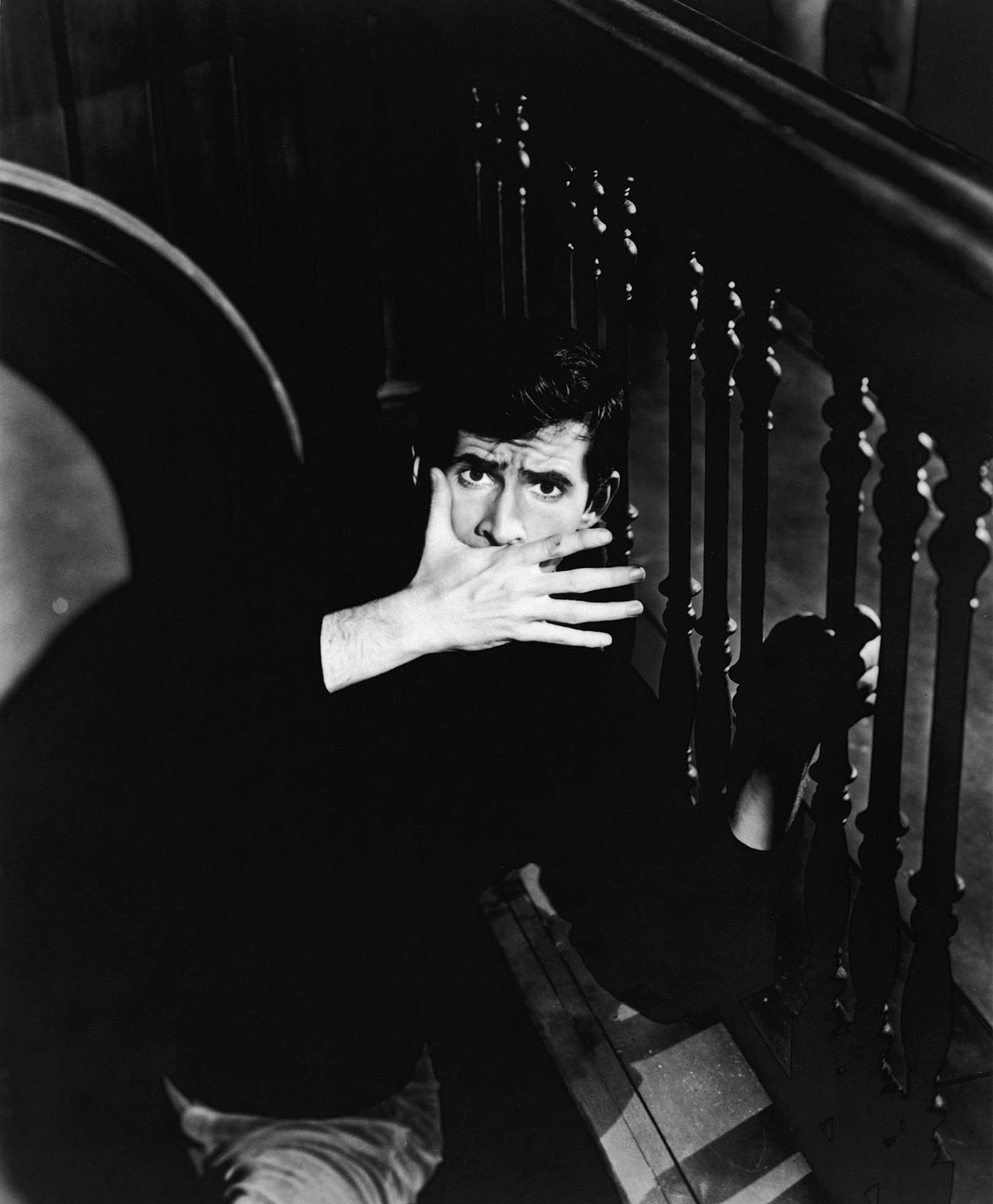
Image gallery
10 Images



Early life and training
Born into a theatrical family in New York City, Perkins was exposed to the performing arts at an early age. His father was an actor, and the family moved during his childhood to Boston and elsewhere as his upbringing combined conventional schooling with stage experiences. He studied acting and performed on stage before moving regularly into film and television work, building a foundation that supported a wide range of roles.
Breakthrough and the role of Norman Bates
Perkins's breakthrough came with Psycho, directed by Alfred Hitchcock. His portrayal of Norman Bates—at once shy, charismatic and disturbingly damaged—captured public imagination and critical attention. The role required a subtle balance of charm and menace; critics and audiences reacted to how Perkins rendered psychological complexity without overt theatricality. He later reprised the character in sequels as the franchise evolved. Psycho and its aftermath defined a large part of his public identity, and discussions about the film often reference its treatment of identity and the cinematic depiction of mental disturbance. Serial killer and identity elements in the story have led to lasting academic and popular interest.
Selected work and range
- Films exploring psychological themes and dramas that benefited from his understated intensity.
- Stage performances and television roles that demonstrated his adaptability as a performer.
- Later career choices that included returning to familiar characters while seeking new parts to avoid simple typecasting.
Personal life and later years
Perkins kept much of his private life out of public view. He married and became a father, and his family life coexisted with a long professional career. In later years he faced health challenges that curtailed his activity in front of the camera; he died in 1992. His death prompted renewed appreciation of his body of work and reflections on how fame can both enable and constrain an actor's opportunities. Legacy discussions sometimes note his children following creative careers and the ways his performances influenced subsequent portrayals of troubled characters.
Legacy and significance
Anthony Perkins is remembered for bringing psychological subtlety to mainstream cinema and for a portrayal that entered popular culture as shorthand for a disturbed but sympathetic antagonist. Film historians and fans continue to study Psycho and Perkins's performance for its craft, its influence on the thriller and horror genres, and its complex engagement with identity. For further background on his life and work see biographies and film histories that place his career in context. Early years, key roles and retrospectives remain common entry points for those researching his contribution to 20th-century film. Birthplace, profession and the many facets of his public image are subjects of continued interest. Study guides and curated film lists also point to his wider body of work beyond his most famous role. Mental health portrayal in Psycho is often cited in academic discussions of cinema and representation.
Questions and answers
Q: Who was Anthony Perkins?
A: Anthony Perkins was an American actor.
Q: What is Anthony Perkins best known for?
A: Anthony Perkins is best known for his roles in Psycho and its sequels, where he played Norman Bates, a serial killer who suffered from dissociative identity disorder.
Q: When was Anthony Perkins born?
A: Anthony Perkins was born on April 4, 1932.
Q: Who was Anthony Perkins' father?
A: Anthony Perkins' father was actor Osgood Perkins (1892-1937).
Q: Where did Anthony Perkins move to in 1942?
A: Anthony Perkins moved to Boston, Massachusetts in 1942.
Q: When did Anthony Perkins pass away?
A: Anthony Perkins passed away on September 12, 1992.
Q: What is dissociative identity disorder?
A: Dissociative identity disorder is a mental health condition where a person experiences two or more distinct personalities or identities.
Related articles
Author
AlegsaOnline.com Anthony Perkins — American actor best known for Norman Bates (1932–1992) Leandro Alegsa
URL: https://en.alegsaonline.com/art/114395
Sources
- findbiography.org : Biography
- guardian.co.uk : "Obituary: Berry Berenson"