
Anne of Bohemia, Queen Consort of England (1366–1394)
Bohemian princess, eldest daughter of Emperor Charles IV, who married Richard II in 1382. Remembered for her personal popularity, cultural influence at the English court, patronage and reputedly popularizing the sidesaddle.
Anne of Bohemia (11 May 1366 – 7 June 1394) was a Bohemian princess who became queen consort of England through her marriage to King Richard II. The eldest surviving daughter of Emperor Charles IV and Elizabeth of Pomerania, Anne came from the Luxembourg dynasty and her upbringing at the imperial court in Prague gave her a continental cultural outlook. Contemporary chroniclers and later historians emphasize her gentle manner and personal popularity at the English court, even when the political advantages of her marriage were criticised.
Image gallery
5 Images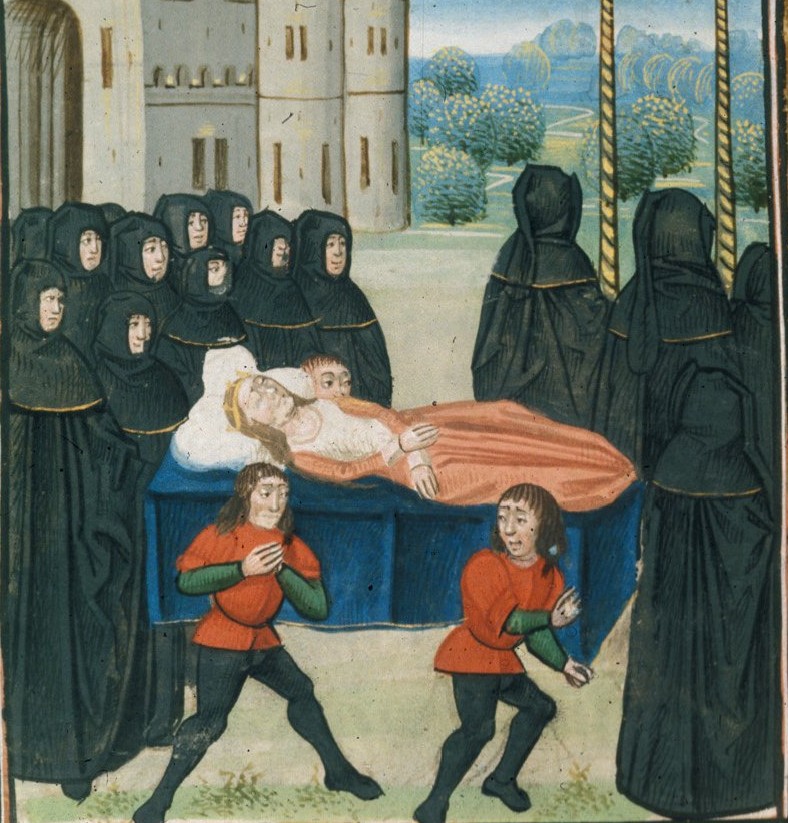


Family background and upbringing
Anne was born into one of central Europe’s leading ruling families. Her father, Charles IV, was ruler of the Holy Roman Empire and held extensive dynastic ties across the region. As a princess she would have received an education appropriate to her rank, including instruction in courtly etiquette, piety and languages. Her brother Wenceslaus succeeded their father as king of Bohemia and as ruler-elect of the Empire. Marriage negotiations for daughters of Charles IV were political in character, and Anne’s match was arranged with those wider dynastic considerations in mind rather than as a source of a large dowry.
Marriage and role as queen
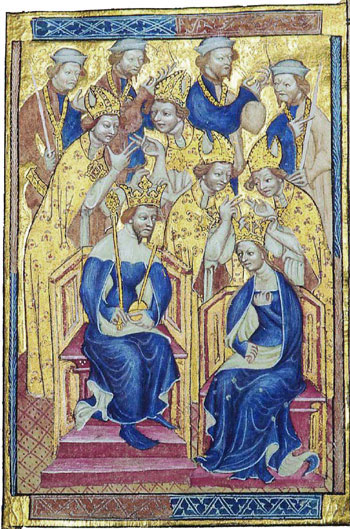
Anne married King Richard II at Westminster Abbey on 22 January 1382. The marriage provoked debate among English magnates because it brought limited immediate financial or military advantage; records indicate a monetary payment associated with the arrangement was made to her brother. The alliance did, however, secure commercial and diplomatic links between England and parts of the Empire and reinforced Richard’s continental connections. As queen consort Anne performed the public duties expected of a medieval queen: she attended religious services, made charitable gifts, presided at some court ceremonies and maintained a household that reflected continental tastes.
Cultural influence and patronage
Anne’s principal influence at the English court was cultural rather than overtly political. She is widely credited with introducing or popularising several continental fashions and practices among the English nobility. One commonly repeated association is her connection to the adoption of the sidesaddle by noblewomen in England; she is also linked to tastes in dress, devotional practices and courtly music. Anne’s household included attendants and artisans from the continent and appears to have been a modest centre for patronage of devotional books, music and liturgical objects. Her personal reputation for charity and gentleness was noted in contemporary accounts and helped shape later impressions of her queenship.
Death and legacy
Anne died at Sheen (near modern Richmond) on 7 June 1394, reportedly of an infectious illness then often described as plague. She was buried with royal honours at Westminster. Her death affected King Richard II and the tone of his subsequent reign; he remarried in 1396. Because Anne and Richard had no surviving children, she left no direct dynastic legacy in England, but her cultural influence and the favourable personal impressions recorded by contemporaries contributed to a historical image of a compassionate and decorous queen.
Notable facts
- Daughter of Emperor Charles IV and Elizabeth of Pomerania, member of the Luxembourg dynasty.
- Married King Richard II at Westminster Abbey in 1382 and served as queen consort until 1394.
- Marriage brought limited material gain but reinforced trade and diplomatic links with parts of the Holy Roman Empire.
- Often associated with popularising the sidesaddle and introducing continental fashions.
- Remembered for personal popularity, charitable acts and cultural patronage at the English court.
- Primary sources on her life include royal household accounts and contemporary chronicles; later interpretations rely on those documentary traces.
For summaries of Anne’s life consult standard works on late 14th-century English and Bohemian courts and the reign of Richard II. Academic studies, editions of contemporary chronicles and surviving household records provide the best evidence for her activities and reputation. Short biographical entries and cultural histories of the period also discuss her role in transmitting continental fashions and devotional practices to England. For further context see specialised literature on medieval queenship and Anglo-continental diplomacy in the later fourteenth century (study guides and bibliographies).
Related articles
Author
AlegsaOnline.com Anne of Bohemia, Queen Consort of England (1366–1394) Leandro Alegsa
URL: https://en.alegsaonline.com/art/114318
Sources
- westminster-abbey.org : HRH Prince William of Wales and Miss Catherine Middleton to Wed at Abbey