
Richard II of England (1367–1400)
King of England from 1377 to 1399, Richard II's reign saw the Peasants' Revolt, struggles with the nobility, assertions of royal authority, and his eventual deposition by Henry Bolingbroke (Henry IV).
Overview
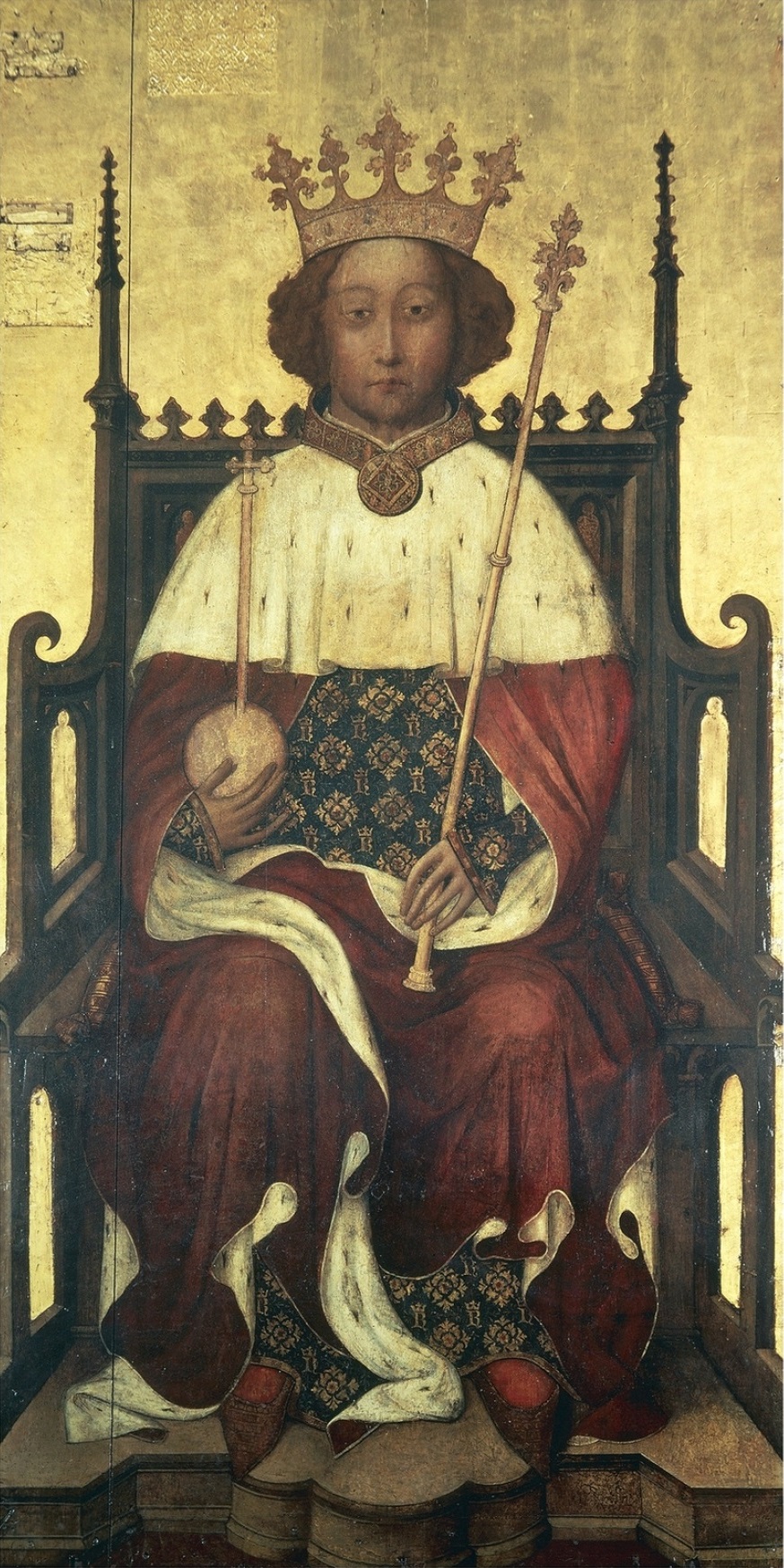
Richard II (born 6 January 1367) became King of England as a child and ruled from 1377 until his forced removal in 1399. He was the only surviving son of Edward, the Black Prince and Joan of Kent, born while his family held territories in southwestern France near Bordeaux. His youth, the complex politics of late 14th-century England, and his conflicts with powerful magnates shaped a reign remembered for both cultural patronage and political crisis.
Image gallery
10 Images




Early life and accession
Richard became heir after the early death of an elder brother and succeeded to the throne on the death of his grandfather, Edward III. Because he was a minor, government was dominated by a council of nobles, and his uncle John of Gaunt, Duke of Lancaster, was a leading influence. The king's formative years coincided with social and economic stress at home and renewed warfare and diplomacy abroad.
Reign: challenges and royal style
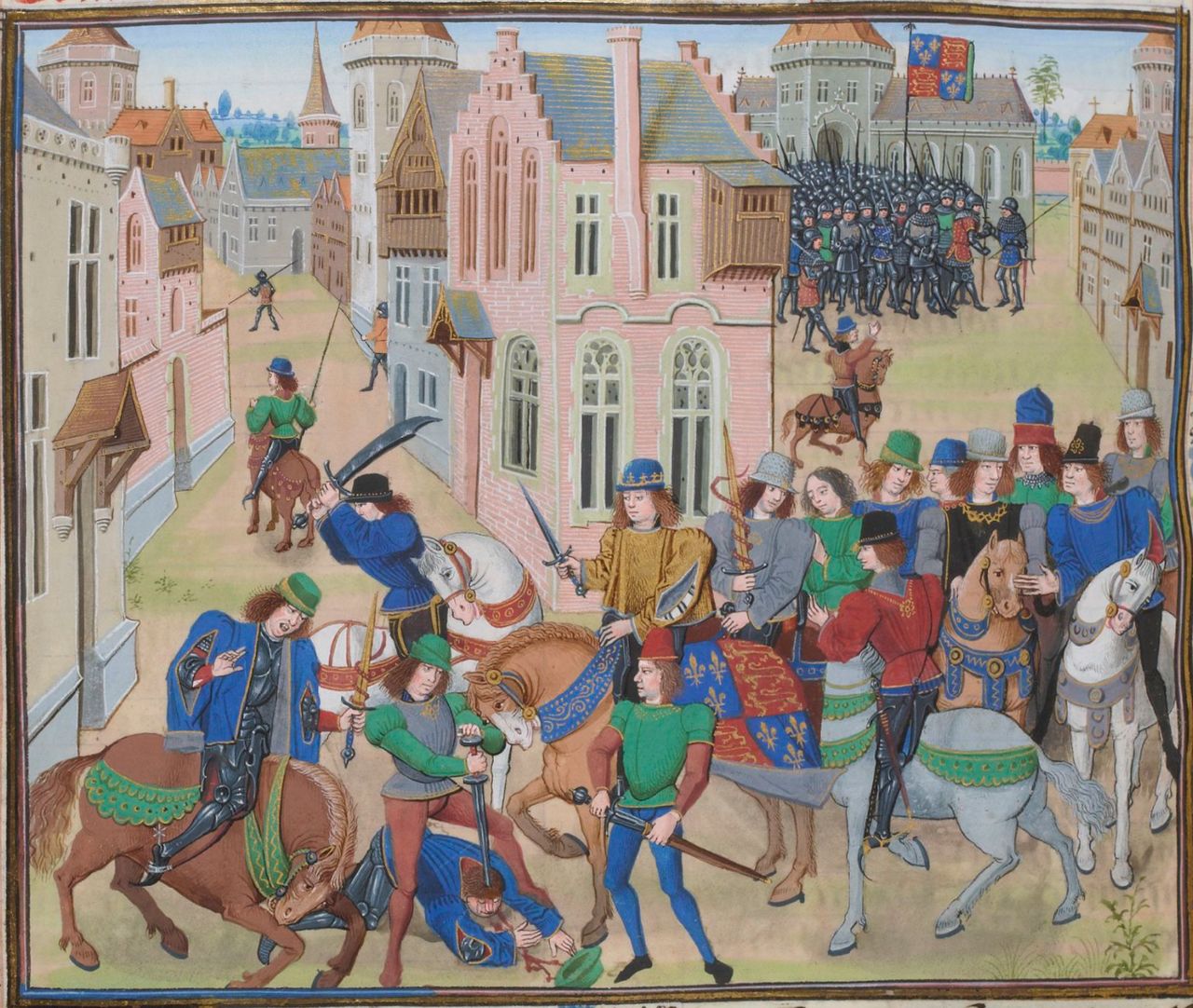
Richard's reign included significant events and tensions. The Peasants' Revolt of 1381 tested royal authority and reflected deep social grievances. As an adult king he cultivated a sophisticated court, promoted literature and ceremony, and asserted the prerogatives of monarchy. He also struggled with leading aristocrats: earlier opposition by the so-called Lords Appellant temporarily curtailed his power, and later reprisals deepened enmities.
- Domestic challenges: taxation, factional politics, and law.
- Foreign affairs: diplomacy and intermittent warfare with France and other powers.
- Cultural role: patronage of letters, court ceremony, and distinctive royal image.
Deposition and death
Tensions between Richard and members of the nobility culminated in 1399 when Henry Bolingbroke, son of John of Gaunt, returned from exile, seized support, and deposed the king. Henry took the throne as Henry IV. Richard formally abdicated and was imprisoned; he died in captivity in early 1400. The precise circumstances of his death remain debated, though many contemporary and later accounts describe it as murder. His removal inaugurated the Lancastrian dynasty and set precedents for questions of legitimacy and resistance to royal rule.
Legacy and significance
Richard II's legacy is complex. He is remembered as a monarch who pursued regal dignity and cultural patronage but who also alienated leading nobles and mishandled political coalitions. His fall raised constitutional questions about the limits of royal power and the rights of magnates to challenge or replace a sovereign. Over centuries his life and deposition have been revisited in chronicles, poetry, and drama; most famously, his reign was dramatized in later historical plays that shaped his public image.
Notable facts
- Marriages and alliances: his marriages were part of wider diplomatic strategies and produced no surviving legitimate heirs.
- Youthful accession: his early kingship meant regency politics influenced the kingdom for years.
- Cultural patron: he fostered a distinctive royal court and supported artistic production.
The study of Richard II remains important for understanding late medieval monarchy, noble faction, and the social pressures of 14th-century England.
Author
AlegsaOnline.com Richard II of England (1367–1400) Leandro Alegsa
URL: https://en.alegsaonline.com/art/129508