
Sidesaddle: history, design, technique, and modern practice
Sidesaddle is a style of horseback riding in which the rider sits with both legs on one side. This article covers its saddles, riding technique, historical context, uses, and contemporary revival.
Overview
Sidesaddle is a method of horseback riding where the rider sits with both legs to one side of the horse rather than astride. The position was developed to allow people—traditionally women wearing long skirts or riding habits—to ride while maintaining a seated posture considered modest and elegant. While less common than astride riding today, sidesaddle remains a distinct discipline with its own techniques and equipment.
Image gallery
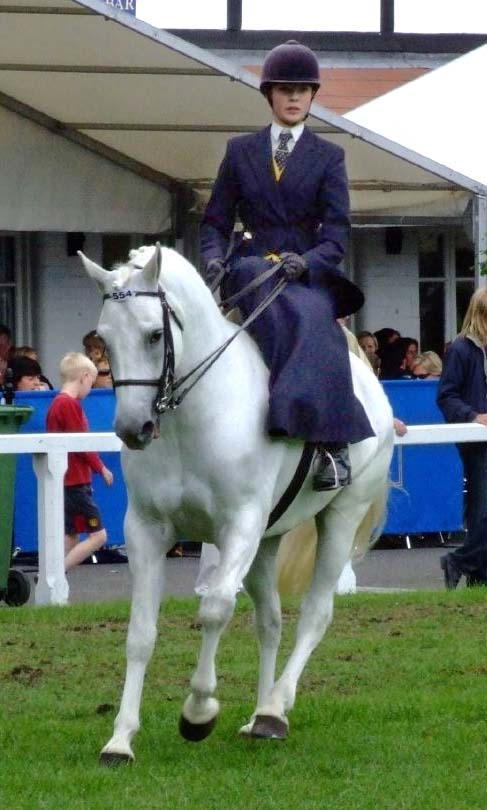
10 Images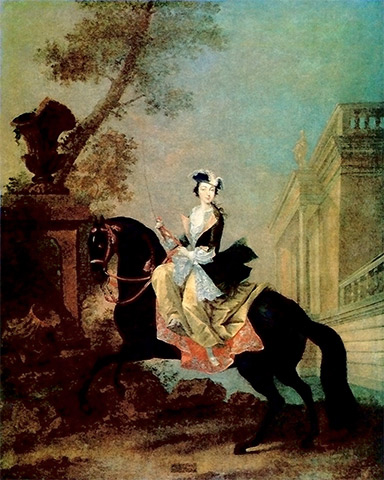


Equipment and saddle design
The key piece of equipment is the sidesaddle itself. Modern and historical designs share common elements: a close seat, a fixed pommel to support the inside thigh, and a second horn or top pommel to secure the outer leg. Some saddles include a leaping horn used for jumping. Components frequently mentioned are:
- Seat—shaped to support a sideways rider.
- Inner pommel—keeps the rider's inside leg in place.
- Outer pommel or head—provides security for the outer leg.
- Leaping horn—added on riding saddles used for jumping.
For more on saddle types see general saddle references such as the one at saddle resources.
Technique and safety
Sitting aside shifts the rider's balance and requires different weight aids and leg cues than astride riding. The rider keeps hips square, shoulders parallel to the horse's neck, and uses the seat and rein aids to communicate. Mounting and dismounting often use special blocks or assistance. Because the normal straddling grip is absent, sidesaddle riders rely on the pommels and a secure position to stay safe, and training emphasizes core strength and secure leg placement.
History and social context
Sidesaddle developed over centuries. Early forms appeared when riding clothes made straddling impractical. From the Renaissance through the 19th century it became the accepted way for women of many social classes to ride in public. As women’s clothing and social norms changed, astride riding grew more common, but sidesaddle retained cultural associations with formality and tradition.
Modern practice, competition, and uses
Sidesaddle is kept alive by riding clubs, historical reenactors, and competitive shows. There are classes for different age groups and experience levels, commonly divided into junior and senior divisions, and tests range from flatwork and equitation to specially adapted jumping. Enthusiasts emphasize that sidesaddle demands high skill: a capable sidesaddle rider must be adept at balance, communication, and careful horsemanship. Organizations provide instruction, standards, and events; for further information see national and club materials such as sidesaddle organizations.
Distinctive points and contemporary relevance
Sidesaddle differs from astride riding in posture and equipment but not in horsemanship: both require balance, control, and partnership with the horse. Today sidesaddle appears in parades, movies, period costume events and competitive arenas. Those interested in trying it should seek qualified instructors and well-fitted tack to ensure safety and comfort. Additional context on etiquette and attire is available in concise guides, including resources on riding posture and modest riding habits at historical riding guides.
Questions and answers
Q: What is sidesaddle?
A: Sidesaddle is a type of horseback riding that uses a special saddle allowing the rider to sit 'aside' rather than 'astride' a horse.
Q: How does sidesaddle differ from traditional riding?
A: In traditional riding or astride, the rider's legs are opened with one leg on each side of the horse, whereas in sidesaddle, the rider's legs are closed, and both legs are on the same side of the horse.
Q: Who mostly rides sidesaddle?
A: Girls and women mostly ride sidesaddle.
Q: What is the advantage of riding sidesaddle?
A: Riding sidesaddle allows girls and women to use a modest posture while showing off their nicest riding habits.
Q: How many categories are there for sidesaddle competition?
A: There are two categories for competition, Junior and Senior classes.
Q: What is the purpose of sidesaddle competition?
A: The purpose of sidesaddle competition is to showcase the rider's skills and their ability to ride in a sidesaddle.
Q: Why do girls and women prefer sidesaddle?
A: Girls and women prefer sidesaddle as it is more comfortable and fashionable in some cases than riding astride for them.
Related articles
Author
AlegsaOnline.com Sidesaddle: history, design, technique, and modern practice Leandro Alegsa
URL: https://en.alegsaonline.com/art/90224
Sources
- sidesaddleassociation.co.uk : "The Side Saddle Association"
- atlasobscura.com : "The Surprising Resurgence of Side Saddle"