
Andrea del Sarto
Italian Renaissance painter Andrea del Sarto (1486–1530) known for balanced compositions, refined color and the Madonna of the Harpies; influential figure between the High Renaissance and early Mannerism.
Andrea del Sarto (born 16 July 1486, died 1530) was a Florentine painter of the Italian Renaissance whose careful draftsmanship and subtle use of color made him a respected figure in his own lifetime. Often called by his family name, he trained and worked in Florence and produced altarpieces, frescoes and devotional images that bridged the clarity of the High Renaissance and the expressiveness later associated with Mannerism. For a general overview of his life and works see biographical resources.
Image gallery
10 Images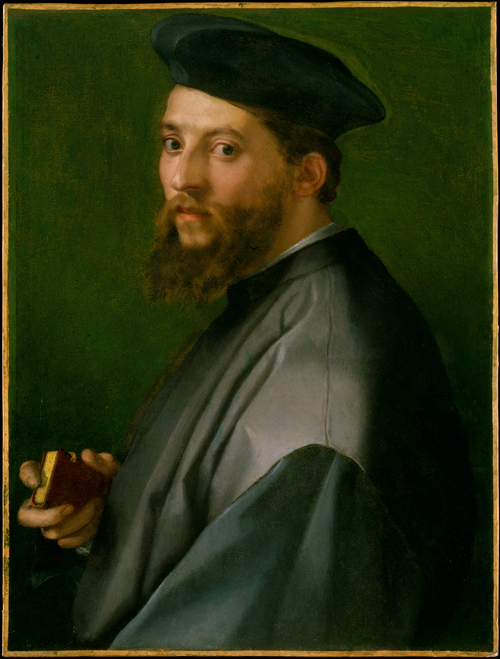


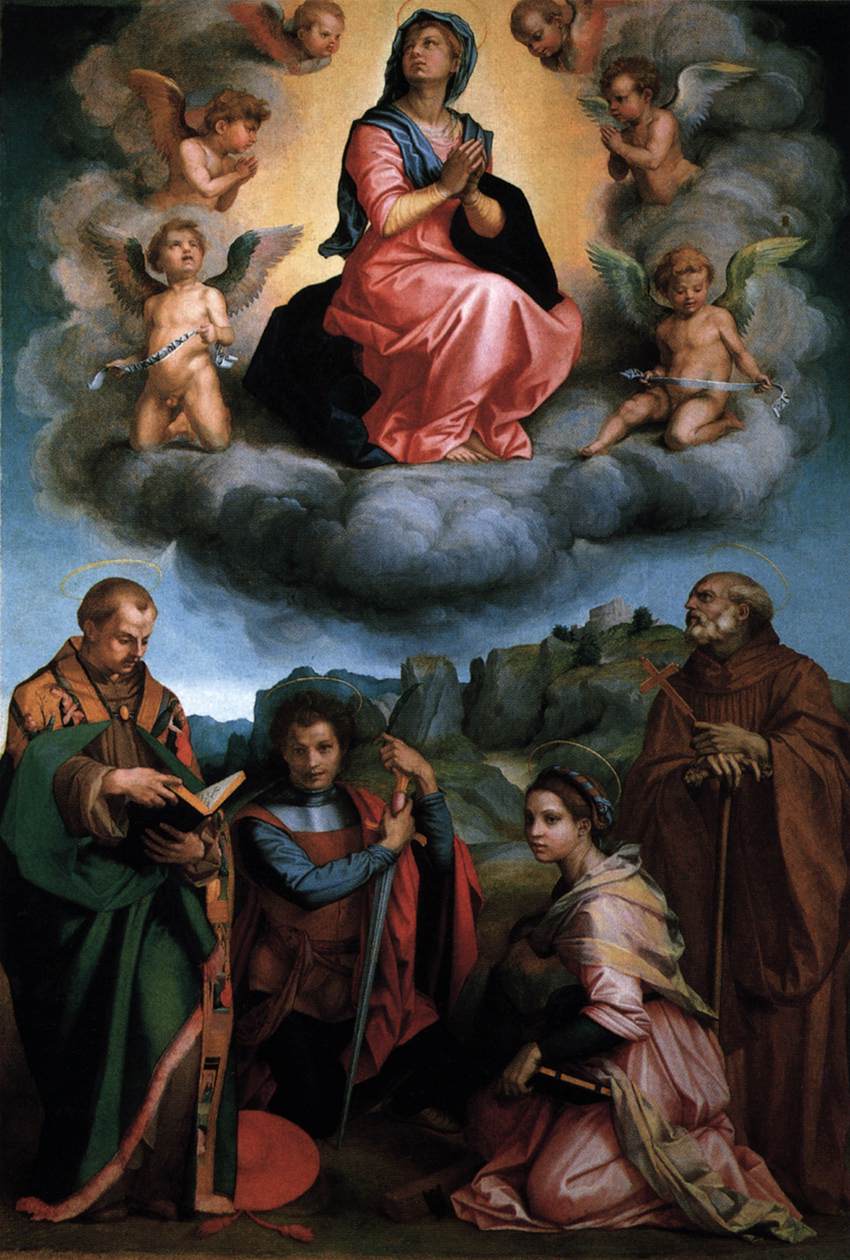
Style and characteristics
Del Sarto is noted for soft modeling of figures, harmonious color palettes and balanced compositions. His technique favored smooth transitions between light and shadow over strong linear outlines, producing a gentle, three-dimensional presence in his subjects. He worked both in tempera and oil and executed fresco cycles for religious patrons; his paintings often emphasize the dignity and calm of sacred figures rather than dramatic action.
Notable works and subjects
Among his most recognized paintings is the Madonna of the Harpies, which depicts the Virgin and Child standing on a sculpted pedestal flanked by saints and angels. The panel combines a sculptural base with painted figures to create a compact, formal arrangement; see an analysis of the central figures and composition at further commentary. Del Sarto produced a number of altarpieces, devotional Madonnas and portraits that circulated among Florentine patrons and religious institutions.
Career, influences and legacy
Working in the first three decades of the 16th century, Andrea absorbed influences from contemporaries while retaining a distinct painterly restraint. He trained assistants and influenced younger artists; his balanced approach to composition and nuanced color helped shape transitional currents that led toward Mannerism. Critics and historians often praise his technical skill and his capacity to communicate quiet emotion.
Notable facts
- His sobriquet "del Sarto" refers to his father’s profession as a tailor.
- He completed important fresco cycles and altarpieces for Florentine churches and monasteries.
- Scholars note a tension in his work between formal harmony and expressive intensity, a feature that made him both admired and debated by later critics; museum catalogues and studies provide detailed discussion at specialist sources.
Andrea del Sarto remains studied for his technical mastery and for occupying a pivotal position in early 16th-century Florentine painting: respected in his era and influential for artists who followed.
Related articles
Author
AlegsaOnline.com Andrea del Sarto Leandro Alegsa
URL: https://en.alegsaonline.com/art/114084