
Andrea Palladio: Renaissance architect and founder of Palladianism
Italian Renaissance architect Andrea Palladio (1508–1580) shaped Western architecture with classical rules, villas and churches in the Veneto, and his book The Four Books of Architecture.
Andrea Palladio (1508–1580) was an Italian architect whose work and writings codified a restrained, classically inspired approach to building that has had wide influence in Europe and beyond. Born in Padua and active mainly in the Veneto region around Venice, he combined study of ancient Roman monuments with practical experience to create villas, palaces and churches notable for proportion, clarity and use of classical motifs. His life culminated at his estate in Maser, where he died in 1580.

Image gallery
10 Images




Training and publications
Palladio began his career working in stone and as a draughtsman, and later studied Roman architecture and the theories of Vitruvius as they were becoming available in Renaissance commentaries. He published I quattro libri dell'architettura (The Four Books of Architecture) in 1570, a clear, illustrated guide that explained his design rules and measurements. This book circulated widely and helped make his ideas accessible to builders and patrons across Europe. For a brief biography and publication history see further reading.
Principles and characteristics
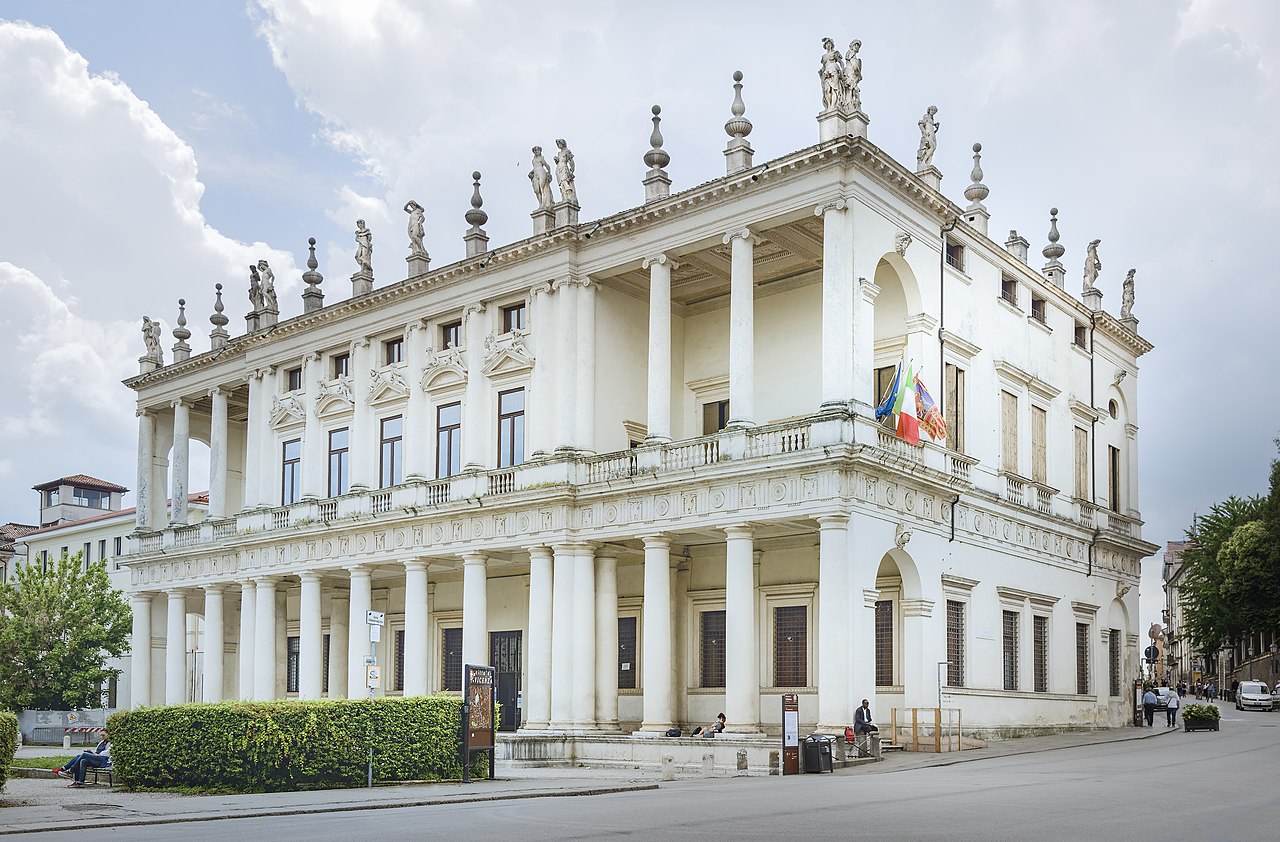
Palladio emphasized symmetry, harmonic proportions and the disciplined use of classical elements such as columns, pediments and temple-like façades. He adapted ancient forms to contemporary needs: domestic villas often feature loggias, porticos and carefully ordered interiors rather than direct copies of Roman temples. His buildings balance practical circulation and light with an architectural vocabulary derived from antiquity. Architectural features that became associated with him include the Palladian window (a central arched opening flanked by rectangular openings) and the use of rustication and ordered bays to articulate façades. Scholars discuss these features and their variations in regional projects; a concise gallery is available at architectural references.
Major works
- Villa Capra "La Rotonda" (near Vicenza) — a centrally planned country house with symmetrical porticos on all four sides, renowned for its domed interior.
- Villa Barbaro (Maser) — a villa combining agricultural function and elegant reception rooms, decorated by the painter Paolo Veronese.
- Basilica Palladiana (Vicenza) — civic palace with a double loggia that reinterprets classical orders for an urban setting.
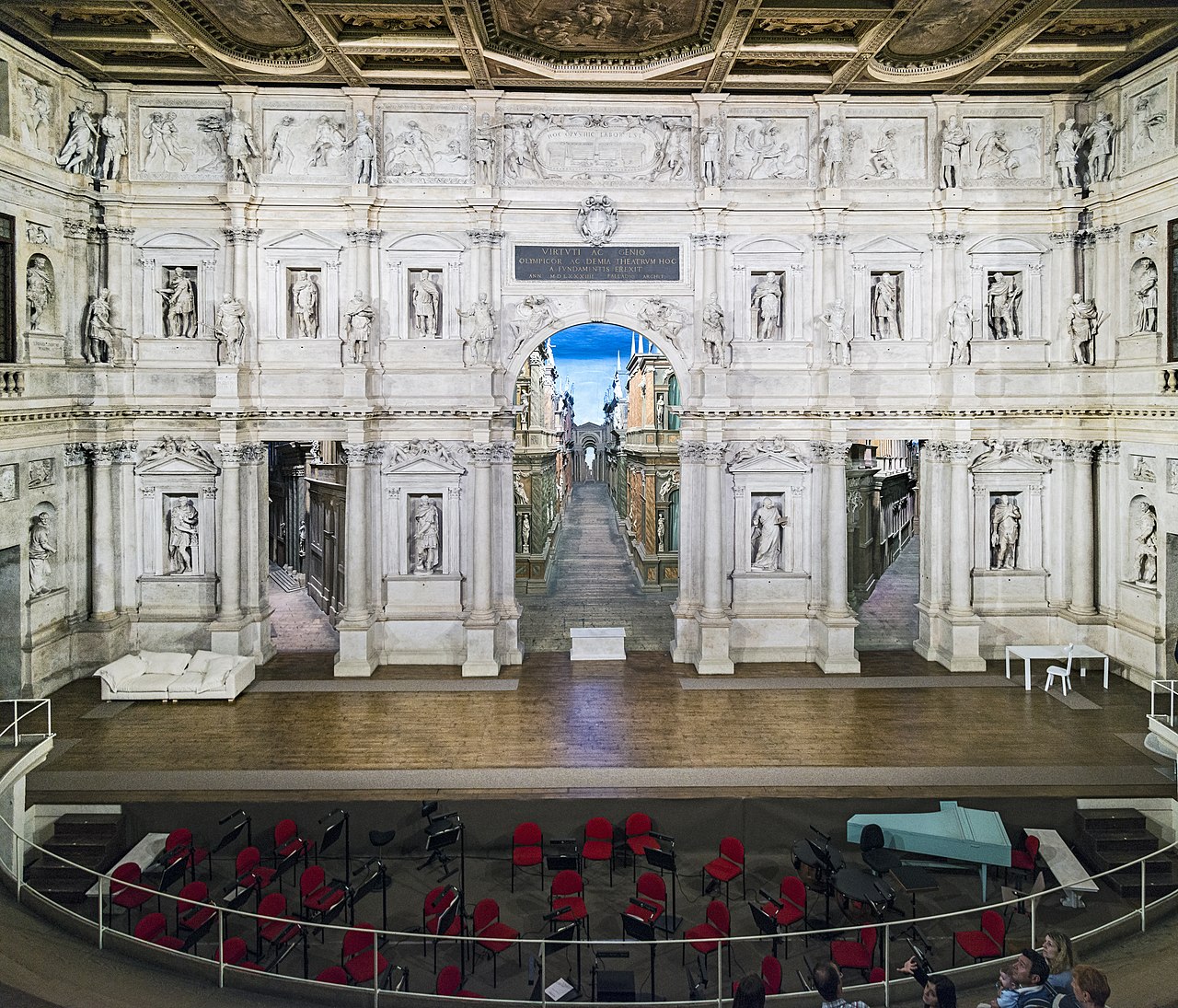
- Teatro Olimpico (Vicenza) — an early enclosed theatre that evokes classical stage architecture; Palladio planned the building, completed after his death.
- San Giorgio Maggiore and Il Redentore (Venice) — churches that translate temple fronts and classical proportion into sacred spaces on the Venetian lagoon.


Legacy and influence
Palladio's measured, rule-based approach became the foundation of Palladianism, an architectural movement that inspired builders in Britain, Ireland and later the United States. Architects and patrons adapted Palladio's published designs for country houses, public buildings and estates, favoring symmetry and classical restraint. His role in bridging Renaissance antiquarian study and practical building made his book a standard reference; for discussions of his continuing reception and notable adaptations see studies and curated collections at research archives or international heritage listings at heritage sources.
Related articles
Author
AlegsaOnline.com Andrea Palladio: Renaissance architect and founder of Palladianism Leandro Alegsa
URL: https://en.alegsaonline.com/art/114092