
Andrea Mantegna (c.1431–1506) — Italian Renaissance painter
Andrea Mantegna, an influential northern Italian Renaissance artist, known for rigorous perspective, sculptural figures, dramatic foreshortening and important frescoes and altarpieces for Padua and the Gonzaga court in Mantua.
Overview
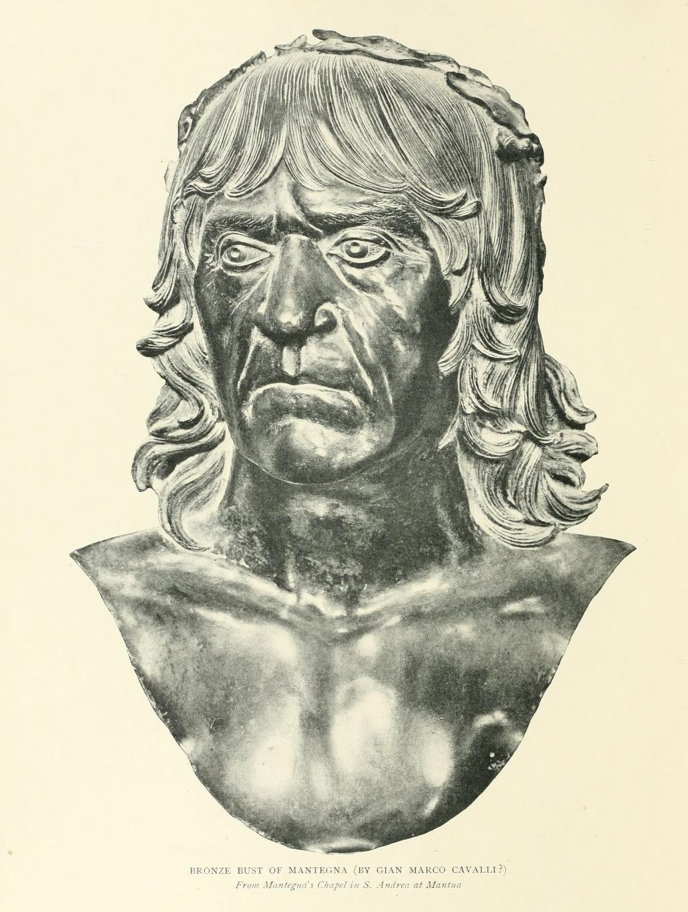
Andrea Mantegna (c.1431–1506) was a leading painter of the Italian Renaissance whose work combined a deep interest in classical antiquity with rigorous perspective and an almost sculptural treatment of the human body. He worked mainly in northern Italy and is best known for major commissions for the Gonzaga court at Mantua and earlier work in Padua.
Image gallery
10 Images



Life and career
Mantegna trained in Padua under Francesco Squarcione and developed a reputation for precise draftsmanship and archaeological detail. He spent a large part of his career as court painter to the ruling Gonzaga family in Mantua. He also had family ties with Venice through his marriage to Nicolosia, a member of the Bellini family. For pronunciation guides see UK pronunciation and US pronunciation.
Major works
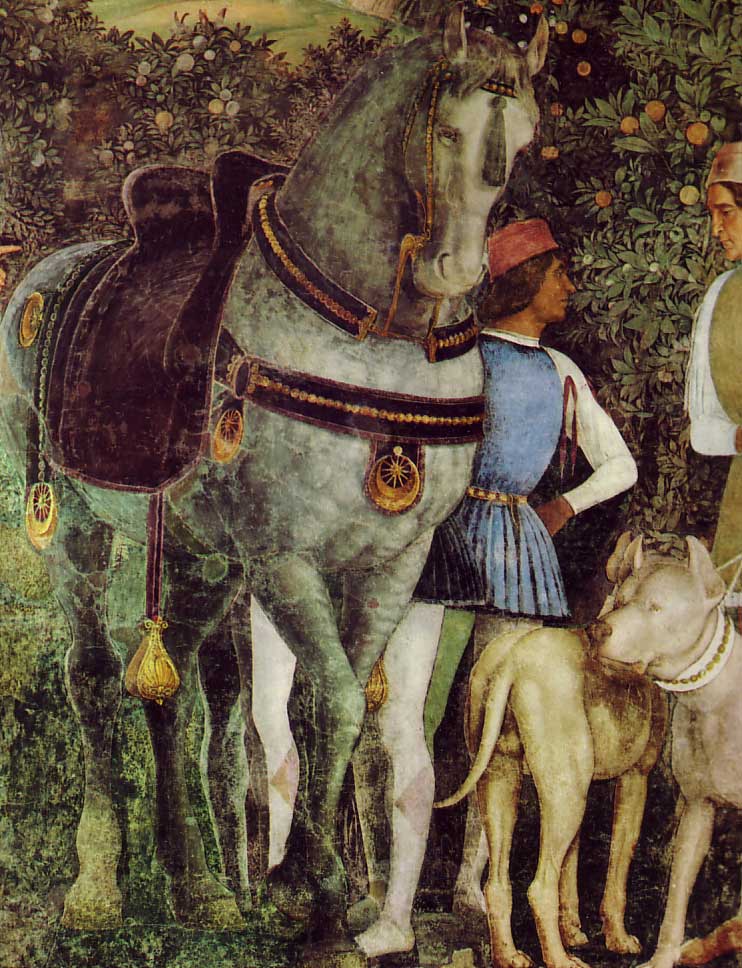
- Camera degli Sposi (Ducal Palace, Mantua) — intimate fresco cycle noted for illusionistic perspective and family portraiture.
- San Zeno Altarpiece — an early masterwork combining architectural framing and sculptural figures.
- Dead Christ (Lamentation) — famous for its extreme foreshortening and emotional intensity.
- Frescoes in Padua — including the now largely lost Ovetari Chapel cycle, badly damaged in World War II.
Style and techniques
Mantegna’s art is marked by a disciplined linear approach, clear contours, and an emphasis on three-dimensional form. He borrowed motifs from Roman sculpture and inscriptions, used dramatic foreshortening to create striking viewpoints, and worked in tempera and oil as well as engraving techniques to circulate his compositions.
Legacy and distinctions
He influenced generations of painters and printmakers across Italy by advancing perspective, sculptural modeling, and a taste for classical detail. His large secular series and court commissions helped shape visual culture at the Gonzaga court and beyond. For general context about Italian Renaissance painters see further reading.
Related articles
Author
AlegsaOnline.com Andrea Mantegna (c.1431–1506) — Italian Renaissance painter Leandro Alegsa
URL: https://en.alegsaonline.com/art/114088