
Andrés Pastrana Arango
Colombian politician, journalist and president (1998–2002); noted for his peace initiatives, role in counter-narcotics policy and membership of a prominent political family.
Andrés Pastrana Arango (born 17 August 1954) is a Colombian politician and former journalist who served as the 30th President of Colombia from 1998 to 2002. His presidency is frequently remembered for attempts to negotiate peace with armed insurgent groups, efforts to confront drug trafficking, and a close working relationship with international partners to address security and development challenges.
Image gallery
4 Images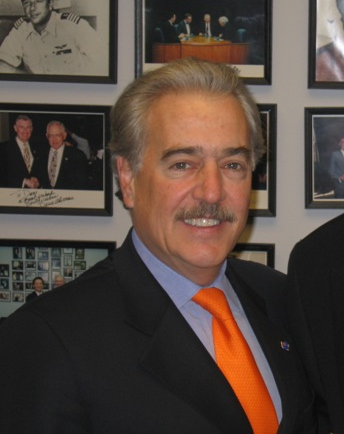


Early life and education
Pastrana was born in Bogotá, Colombia, into a politically prominent family. His father, Misael Pastrana Borrero, previously served as president, and his mother, María Cristina Arango Vega, was a well-known public figure. He studied law and social sciences at institutions in Colombia and pursued further education abroad, including studies at Harvard University, which contributed to his interests in public policy and international affairs. He married Nohra Puyana Bickenbach in 1981; the couple have three children.
Journalism and early political career
Before entering national office, Pastrana worked as a journalist and columnist. He reported extensively on organized crime and the cocaine trade, producing investigative pieces that earned recognition in Colombian media circles and informed his later policy priorities on narcotics and security. He began his formal political career in the early 1980s with a seat on the Bogotá city council and later won election to the national legislature, serving as a Senator.
Presidency (1998–2002)
Pastrana's administration focused on a mixture of peace negotiations, security operations, and economic measures. He launched a high-profile peace initiative that included direct talks with guerrilla leaders and the creation of demilitarized discussion zones; that process ultimately failed to produce lasting agreements. At the same time, his government sought international cooperation to combat illicit drug production and trafficking, developing comprehensive programs that involved bilateral assistance and counter-narcotics strategies.
Policies, challenges and legacy
The period was marked by polarized assessments: supporters point to diplomatic engagement and efforts to modernize state responses to violence and drugs, while critics highlight unresolved conflict, human rights concerns, and limited socio-economic progress in some regions. Pastrana's time in office also shaped Colombia's relationship with foreign partners on security and counternarcotics assistance, leaving a complex legacy that continues to be debated by scholars and policymakers.
Later life and significance
After leaving the presidency, Pastrana remained active in public life as a commentator, participant in international forums and an advocate on issues tied to peacebuilding and democratic governance. He is often cited as a representative of a political lineage and as a figure whose career bridges journalism, legislative experience and the highest executive office in Colombia. His biography illustrates recurring themes in Colombian history: negotiation with irregular armed groups, the social impact of the drug economy, and the enduring role of political families in national affairs.
- Notable themes: peace processes, counternarcotics policy, political dynasty.
- Roles: journalist, Bogotá council member, Senator, President.
- Family: son of Misael Pastrana Borrero and María Cristina Arango Vega.
- Education: Colombian universities and studies at Harvard University.
For further reading and primary sources, consult official biographies, contemporary press coverage and academic analyses of late-20th-century Colombian politics and security policy. Relevant topics include the dynamics of urban and rural violence, international counternarcotics cooperation, and the institutional challenges of negotiating with armed groups.
Related articles
Author
AlegsaOnline.com Andrés Pastrana Arango Leandro Alegsa
URL: https://en.alegsaonline.com/art/114045
Sources
- britannica.com : britannica.com/biography/Andres-Pastrana-Arango