
André Delvaux
André Delvaux (1926–2002) was a Belgian film director widely regarded as the founder of Belgian national cinema, known for literary adaptations, a dreamlike magic-realist style, and lasting influence on Belgian film culture.
Overview
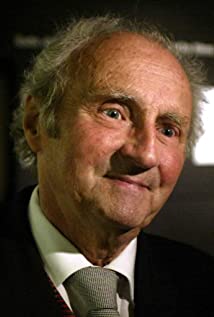
André, Baron Delvaux (21 March 1926 – 4 October 2002) was a prominent Belgian film director whose work is often credited with establishing a distinct national cinema in Belgium. Born in Heverlee, he developed a reputation for bringing modern literature to the screen and for films that blur the boundary between reality and imagination. He died in Valencia, Spain, where he spent his final years and where he passed away on 4 October 2002 (Valencia).
Image gallery
2 Images
Career and major works
Delvaux began working in film in the postwar period and gained international attention through carefully crafted adaptations of contemporary novels and plays. His cinema commonly translated literary themes into visual metaphors, and one of his best-known films is a respected adaptation that introduced wider audiences to his approach. Throughout his career he worked in both French- and Dutch-language contexts, reflecting Belgium's bilingual culture and its literary traditions.
Style and recurring themes
Delvaux's films are frequently associated with magic realism: narratives where everyday settings are suffused with dreamlike or uncanny elements. He explored memory, identity, the persistence of the past, and the uneasy overlap of inner life and external events. Visually, his work favors restrained camera work, careful composition, and a deliberate pace that allows psychological and atmospheric detail to emerge.
Influence and legacy
Regarded as a founder of national cinema in Belgium, Delvaux helped raise the profile of Belgian film on the international stage and influenced later generations of Belgian filmmakers. He was ennobled and is often referred to as Baron Delvaux. His contributions were recognized posthumously by national film institutions, including a Magritte Honorary Award that highlighted his role in shaping Belgian cultural life and cinema.
Notable facts
- Birthplace: Heverlee (Heverlee), a district near Leuven.
- Placing literature at the center of film practice, he worked across linguistic and cultural lines within Belgium.
- His work continues to be shown in retrospectives and studied for its blending of narrative and mood.
Delvaux remains a central figure for anyone researching the development of Belgian cinema in the second half of the 20th century. For more detailed study, consult national film archives and collected essays that examine his adaptations, thematic concerns, and stylistic choices in depth (further reading).
Related articles
Author
AlegsaOnline.com André Delvaux Leandro Alegsa
URL: https://en.alegsaonline.com/art/114050