
Andrés Segovia — Spanish classical guitarist and founder of the modern guitar tradition
Andrés Segovia (1893–1987) elevated the classical guitar to concert status through performances, transcriptions, commissions, teaching and recordings; he shaped 20th‑century guitar repertoire and technique.
Overview
Andrés Segovia Torres (21 February 1893 – 2 June 1987), widely known simply as Andrés Segovia, was a Spanish classical guitarist whose career and advocacy helped establish the classical guitar as a respected concert instrument. Born in Linares, Jaén, he performed internationally for much of the 20th century, built a broad recorded legacy, and encouraged composers to write new works for the guitar. For a concise biographical summary see biographical notes.
Image gallery
4 Images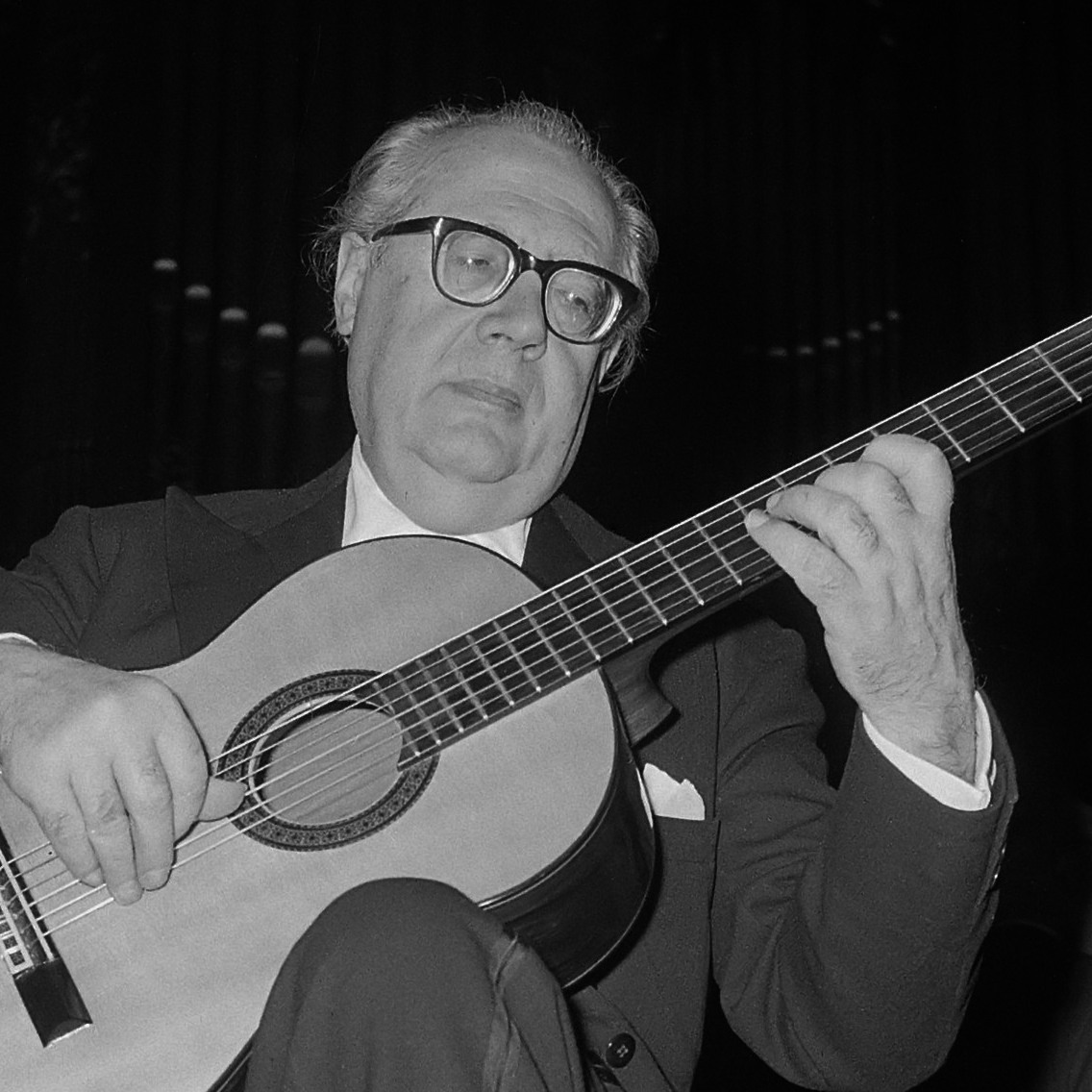


Style, technique and instruments
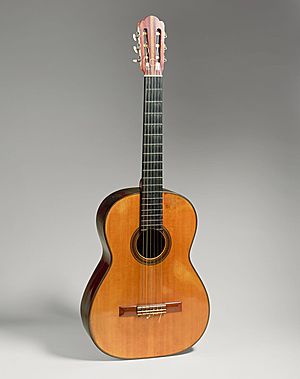
Segovia developed a personal approach to tone production and phrasing that emphasized clarity, dynamic range and a singing quality of line. He popularized the use of fingernails on the right hand to shape tone and employed both rest‑stroke and free‑stroke techniques to achieve different timbres. Segovia favored guitars in the Spanish tradition, particularly instruments influenced by the 19th‑century luthier Antonio de Torres, and he maintained a meticulous approach to articulation and tempo that became a model for many students and followers. Discussions of his recording and performance style can be found at recording archives.
Repertoire, transcriptions and commissions
Segovia expanded the guitar repertoire in three main ways: by commissioning new works, by encouraging contemporary composers to compose for the instrument, and by transcribing music originally written for other instruments. He championed 20th‑century composers such as Manuel Ponce and Federico Moreno Torroba and maintained a close artistic relationship with Heitor Villa‑Lobos; Villa‑Lobos responded to Segovia’s interest by composing and publishing pieces for the instrument, notably a set of studies dedicated to him. Segovia also made arrangements of Baroque and Classical pieces — including transcriptions of works by J.S. Bach and Domenico Scarlatti — bringing them into concert use and recording them extensively. Read more about his relationship with Villa‑Lobos and works for guitar here.
Teaching and influence
Alongside his performing career, Segovia gave masterclasses and taught a generation of players who would spread the classical guitar worldwide. He taught and influenced many important 20th‑century guitarists; among those often associated with his teaching and artistic example are Julian Bream, Christopher Parkening, Alirio Díaz and Oscar Ghiglia. Segovia’s pedagogical activities, held in Europe and the Americas, helped codify a technical and interpretive tradition that shaped conservatory curricula and private instruction for decades. For media and oral histories about his masterclasses see recorded interviews and programs.
Recordings, films and public presence
Segovia left an extensive discography with recordings that document his repertoire and stylistic approach. His final RCA LP, Reveries, was recorded in Madrid in June 1977. Several documentary films and televised programs trace his life and work; collections of these films have been issued on home video under titles such as "Andrés Segovia – in Portrait." In 1984 he was the subject of a multi‑part radio series produced in the United States. Selected audiovisual materials and later reissues are listed at archival releases.
Legacy and notable facts
Segovia is widely acknowledged as the principal figure in the 20th‑century revival and redefinition of the classical guitar. He brought the instrument into major concert halls, fostered a modern repertoire through commissions and transcriptions, and established a technical standard for performance. In recognition of his stature he was ennobled as the 1st Marquis of Salobreña. Segovia continued to perform and teach into his eighties and died in 1987, leaving a lasting influence on how the guitar is played, taught and heard in classical music contexts.
Quick reference
- Full name: Andrés Segovia Torres (1893–1987)
- Roles: performer, teacher, transcriber, commissioner of new works
- Associations: promoted works by Villa‑Lobos, Manuel Ponce and Federico Moreno Torroba
- Recorded legacy: numerous LPs and reissues; final RCA session in 1977
Questions and answers
Q: Who was Andrés Segovia?
A: Andrés Segovia Torres, 1st Marquis of Salobreña, was a virtuoso Spanish classical guitarist from Linares, Jaén, Andalucia, Spain. He was one of the best known and most influential classical guitar personalities of the 20th century.
Q: What influence did he have on later guitarists?
A: He had a big influence on later guitarists due to his performances and recordings as well as his masterclasses.
Q: What works were dedicated to him by composers?
A: Important guitar works were dedicated to him by composers such as Federico Moreno Torroba.
Q: How is he remembered for his performances?
A: He is remembered for his expressive performances; his wide palette of tone and distinctive musical personality in tone, phrasing and style.
Q: Who did Segovia meet in the 1920s?
A: In the 1920s, Segovia met Brazilian musician Villa-Lobos and commissioned a guitar study from him.
Q: What films were made about his life and work?
A: Two films were made about his life and work called "Andrés Segovia - in Portrait" which are available on DVD.
Q: What record did he make in 1977?
A: His final RCA LP record (ARL1-1602), Reveries, was recorded in Madrid in June 1977.
Related articles
Author
AlegsaOnline.com Andrés Segovia — Spanish classical guitarist and founder of the modern guitar tradition Leandro Alegsa
URL: https://en.alegsaonline.com/art/114046
Sources
- allmusic.com : "Andrés Segovia Biography"
- books.google.com : Classical guitarists: conversations
- books.google.com : Ancient Chant and Hymns for Guitar
- naxos.com : Andrés Segovia
- tar.gr : Andrés Segovia - Twenty years after his passing (1987-2007)