
Alexander Mackenzie (Canadian politician)
Alexander Mackenzie (1822–1892) was Canada's second prime minister, a reform-minded Liberal who advanced civil service reform, the secret ballot, and helped create the Supreme Court of Canada.
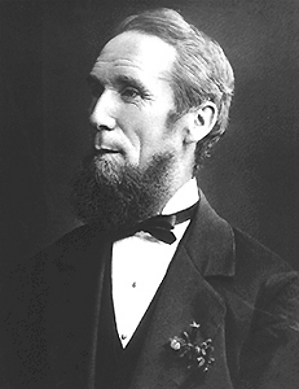
Alexander Mackenzie (January 28, 1822 – April 17, 1892) was a Scottish-born Canadian politician who served as the second Prime Minister of Canada. Rising from a working-class background, he became leader of the Liberal Party and led a federal government noted for administrative reform, fiscal restraint, and the creation of lasting national institutions.
Image gallery
8 Images


Early life and political rise
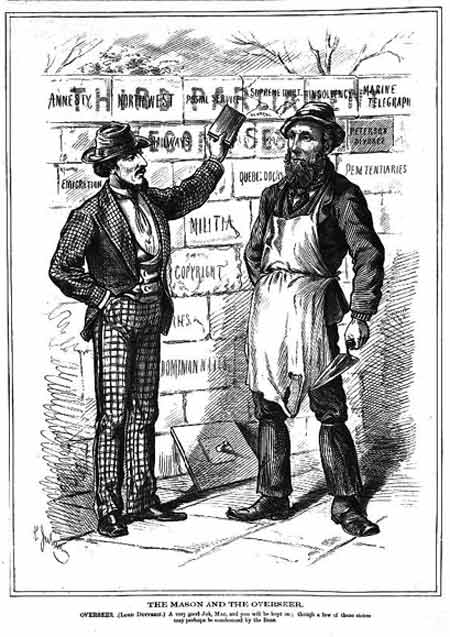
Mackenzie emigrated from Scotland to what was then Upper Canada in his youth and worked as a stonemason and tradesman. Self-educated and active in local civic causes, he entered politics as a reformer. He built a reputation for plain speaking, personal integrity and advocacy for responsible government, which helped him gain prominence within the Liberal movement and a seat in the federal Parliament.
Prime ministership and reforms
As prime minister (1873–1878), Mackenzie focused on strengthening public institutions and rooting out patronage. His government introduced the secret ballot for federal elections, moved toward a merit-based civil service, and established judicial and administrative structures that strengthened federal authority. One of the most enduring acts of his administration was creating the Supreme Court of Canada to provide a national court of final appeal.
Policies and challenges
Mackenzie favored careful fiscal management and opposed large, subsidized railway projects that he viewed as wasteful or corrupt. That stance won him praise for probity but also criticism for lacking bold economic initiatives during a period when others promoted more interventionist programs to stimulate growth. Political opponents successfully used economic arguments and promises of development to regain power.
Legacy and notable facts
- Remembered for honesty and administrative reform rather than charismatic leadership.
- Helped found federal institutions that endure in Canadian public life.
- Defeated in 1878 and returned to opposition, remaining an influential elder statesman until his death in 1892.
Mackenzie's tenure is often contrasted with that of his predecessor and successor, whose more expansive economic programs appealed to voters seeking rapid development. Historians credit Mackenzie with laying important foundations for impartial government and an independent judiciary in Canada.
Related articles
Author
AlegsaOnline.com Alexander Mackenzie (Canadian politician) Leandro Alegsa
URL: https://en.alegsaonline.com/art/113664
Sources
- thecanadapage.org : "Prime Ministers of Canada"