
Alexander Rutskoy: Soviet officer and Russia's only Vice President, 1993 acting President
Concise account of Alexander Rutskoy: former Soviet military officer, Russia's vice president (1991–1993), declared acting president during the 1993 constitutional crisis, later Governor of Kursk Oblast (1996–2000).
Overview
Alexander Vladimirovich Rutskoy (born 16 September 1947) is a Russian politician and former Soviet military officer. His career bridged the late Soviet period and the turbulent early years of the Russian Federation. Rutskoy is best known for serving as the only Vice President of Russia from 10 July 1991 to 4 October 1993 and for his central role in the 1993 constitutional confrontation with President Boris Yeltsin. The Russian form of his name is given in Russian-language sources; see the Russian entry via Russian form.
Image gallery
5 Images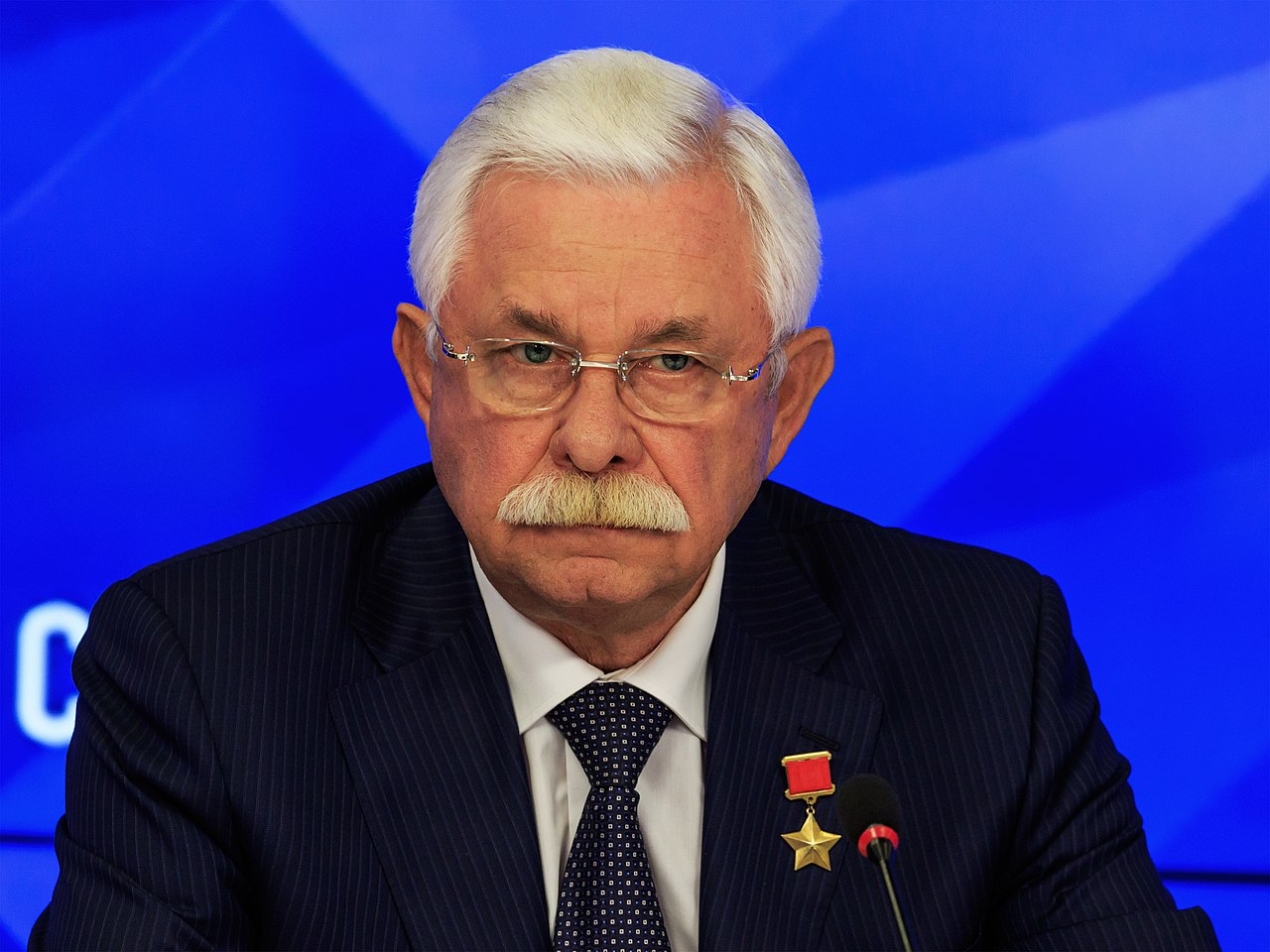


Military and early public career
Before entering national politics Rutskoy had a career in the Soviet armed forces. Like several other post-Soviet political figures, he arrived in civilian office with a background shaped by military service and technical training. His military experience influenced his public image and informed the ways he was perceived by colleagues, opponents and parts of the electorate during the early 1990s.
Vice presidency (1991–1993)
Rutskoy was elected Vice President in 1991, a position created in the early months of the Russian Federation as institutions adjusted to the end of Soviet rule. The vice-presidency was short-lived: it existed through a period of intense institutional experimentation and dispute over the balance of powers. Rutskoy served alongside President Boris Yeltsin until autumn 1993, when political differences and a broader institutional standoff came to a head.
1993 constitutional crisis and acting presidency
In September–October 1993 a constitutional crisis unfolded between the president and the parliament. As the standoff intensified, parliamentary leaders declared Rutskoy to be acting president in opposition to President Boris Yeltsin. The confrontation escalated into violent clashes in Moscow and culminated in the storming of the parliament building. The crisis ended with a decisive consolidation of presidential authority, the arrest or removal of several opposition figures, and subsequent constitutional reform that strengthened the presidency and abolished the vice-presidential post.
Aftermath and regional office
Following the crisis Rutskoy continued in public life at the regional level. He served as Governor of Kursk Oblast from 1996 until 2000, a role that returned him to a more conventional administrative and political environment. His later career illustrates a common post-Soviet pathway in which national figures moved into regional politics after contested episodes at the centre.
Legacy and significance
Rutskoy's experience is frequently cited in studies of Russia's early post-Soviet transition, constitutional development and civil–military relations. His tenure as vice president and his brief claim to the acting presidency highlight how institutional ambiguity, personal rivalry and political polarization can produce rapid and enduring constitutional change. Scholars and commentators continue to examine the 1993 crisis as a defining moment in the formation of contemporary Russian political institutions.
Key facts
- Full name: Alexander Vladimirovich Rutskoy (Russian form)
- Born: 16 September 1947
- Major roles: Vice President of Russia (10 July 1991–4 October 1993); declared acting president by parliament during 1993 crisis
- Regional office: Governor of Kursk Oblast (1996–2000)
For further detail, readers may consult scholarly accounts of the 1991–1993 period and analyses of the 1993 constitutional crisis, which provide broader context on how the events involving Rutskoy shaped the Russian state in the 1990s.
Related articles
Author
AlegsaOnline.com Alexander Rutskoy: Soviet officer and Russia's only Vice President, 1993 acting President Leandro Alegsa
URL: https://en.alegsaonline.com/art/113672
Sources
- au.encarta.msn.com : "Encyclopedia Article: Aleksandr Rutskoy"
- news.bbc.co.uk : "Remembering Russia's civil siege"
- eurasianet.org : "CIVIL SOCIETY. WHEN THE IMPOSITION OF WESTERN DEMOCRACY CAUSES A BACKLASH"