
Aldo Moro: Italian statesman, Prime Minister and victim of political violence
Aldo Moro (1916–1978) was a leading figure of Italy's Christian Democracy, served as Prime Minister, held several ministerial posts, and was kidnapped and murdered by the Red Brigades in 1978.
Overview
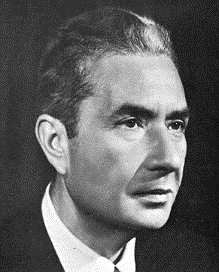
Aldo Moro was an Italian politician and jurist who became one of the most prominent leaders of the post‑war Christian Democracy (Democrazia Cristiana). Born in Maglie in 1916, he trained in law at the University of Bari and at Sapienza University of Rome and combined an academic career with long service in government. He served as Italy's Prime Minister in the 1960s and held a number of important cabinet posts, including justice, education and foreign affairs, becoming widely known for his moderate, consensual approach to politics.
Image gallery
10 Images




Political career and positions
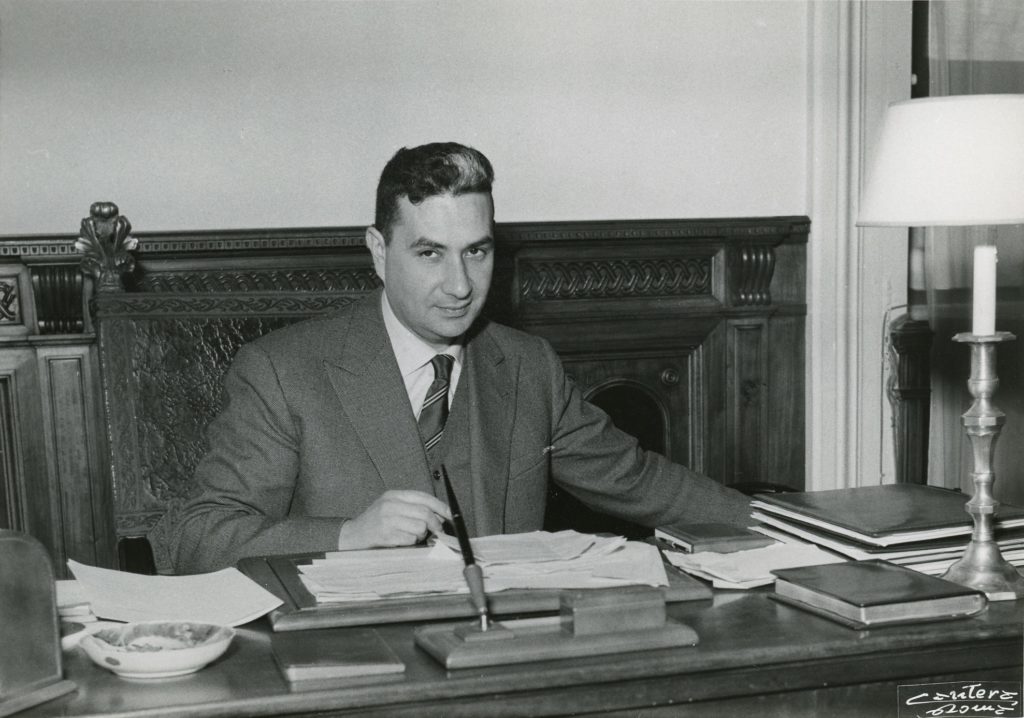
Moro rose through party ranks as a conciliatory leader who sought to modernize Italy while preserving democratic and Christian social values. His tenures in government focused on institutional reform, educational policy and managing Italy's role in Western Europe during the Cold War. He was respected for combining legal training and scholarship with practical statesmanship.
- Leading figure in the Christian Democracy party and its parliamentary groups.
- Held multiple ministerial offices over decades, including justice, education and foreign affairs.
- Served as Prime Minister and was involved in coalition building and policy reforms.
Kidnapping, captivity and death
In March 1978 Moro was abducted in Rome by the Red Brigades, a left‑wing extremist group that opposed the existing political order. He remained captive for 55 days. During that period he wrote letters and messages to political leaders and family members that drew intense public attention and prompted a national debate over whether to negotiate with terrorists. Despite appeals from many quarters and an offer by Pope Paul VI to intervene on humanitarian grounds, Moro was killed in May 1978; his body was later found in a vehicle in Rome. The episode shocked Italy and became a defining event of the country’s tumultuous 1970s.
Legacy and controversies
Moro's abduction and murder generated lasting controversy and reflection on state policy, the rule of law, and handling of political violence. His case prompted inquiries into the responses of political institutions, security services and the judiciary. Moro is remembered both for his political achievements—attempts at social reform and efforts to stabilize Italian democracy—and for the unresolved questions surrounding the circumstances of his death and the extent to which various actors could or should have acted differently.
Notable facts and influence
Beyond his leadership roles, Moro was an intellectual politician who left behind writings on law, democracy and public policy. His approach toward broadening political dialogue—at times advocating cooperation with left‑of‑center forces—shaped debates about coalition government in Italy. The kidnapping and killing also intensified public awareness of domestic terrorism and influenced subsequent security and counterterrorism policies.
Further reading
For introductory summaries of his life and political context see biographical and historical sources connected to his premiership and birthplace: Maglie, Italy. Detailed archival and scholarly work examines the legal, political and moral questions raised by the events of 1978 and Moro’s place in postwar Italian history.
Related articles
Author
AlegsaOnline.com Aldo Moro: Italian statesman, Prime Minister and victim of political violence Leandro Alegsa
URL: https://en.alegsaonline.com/art/113593
Sources
- news.bbc.co.uk : 1978: Aldo Moro snatched at gunpoint