
Alec Douglas-Home
British Conservative politician (1903–1995), Prime Minister 1963–64, twice Foreign Secretary, and the first prime minister to renounce a hereditary peerage to sit in the House of Commons.

Overview
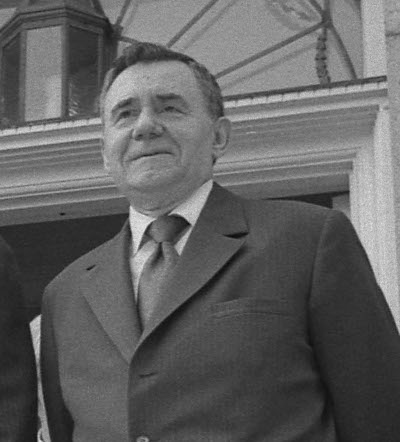
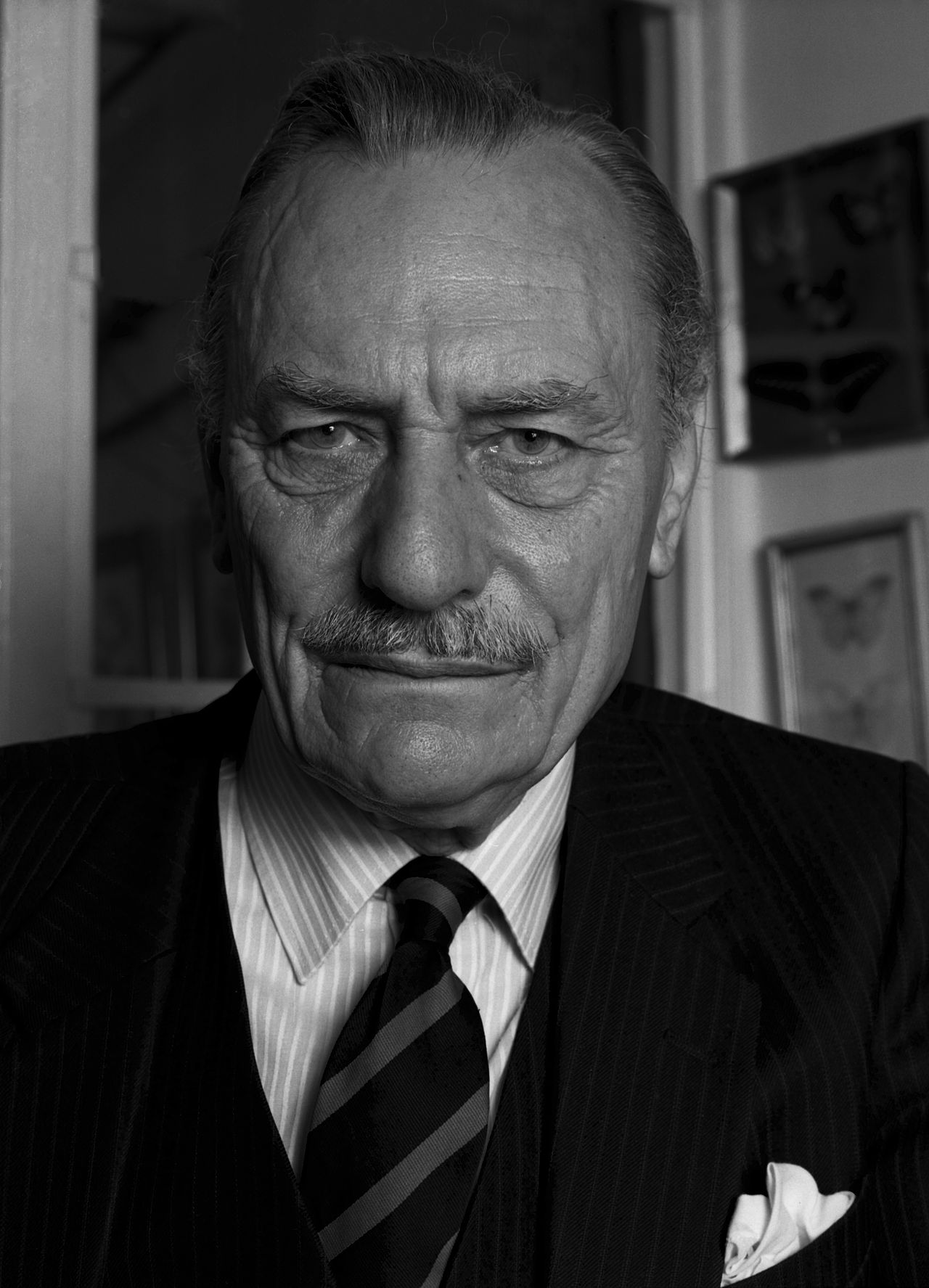
Alexander Frederick Douglas-Home, commonly known as Alec Douglas-Home (2 July 1903 – 9 October 1995), was a Conservative statesman who served as Prime Minister of the United Kingdom from 1963 to 1964 and held the office of Foreign Secretary on two occasions. His career combined roles in the House of Lords and the House of Commons, unusual for a 20th-century British prime minister, and he is widely remembered for the brief premiership that followed Harold Macmillan's resignation.
Image gallery
10 Images




Family background and early life
Born into a Scottish aristocratic family, Douglas-Home carried titles and responsibilities linked to the peerage from an early age. He used different courtesy titles during his life as family succession changed his status; these arrangements are rooted in the system of hereditary peers such as the earl and other subsidiary designations. He was educated in the traditional public school and Oxbridge system that many of his contemporaries attended, and he entered political life before the Second World War, serving in junior parliamentary roles and attending high-level diplomatic meetings, including those associated with Neville Chamberlain's Munich initiative in 1938 (Neville Chamberlain, Munich).
Political career and the premiership
Douglas-Home rose through ministerial ranks and in 1960 was appointed Foreign Secretary by Prime Minister Harold Macmillan, a post he held until 1963. When Macmillan resigned, the Queen invited Douglas-Home to form a government. At that time he still held a hereditary peerage, which would have prevented him from leading the government in the House of Commons. He made use of the new Peerage Act to renounce his title and stand for election to the Commons, becoming the first prime minister to do so. He won a by-election to enter Parliament and led the Conservative Party into the 1964 general election, which resulted in defeat to Harold Wilson's Labour Party.
Later roles and foreign policy
After his premiership, Douglas-Home continued to play an active role in public affairs. He returned as Foreign Secretary in Edward Heath's administration from 1970 to 1974, where he worked on issues of Cold War diplomacy and Britain's evolving relationship with Europe and its allies. His experience and demeanor made him a familiar presence in discussions of foreign affairs over several decades.
Reputation, style and legacy
Douglas-Home was often described as patrician and understated; his public image emphasized courtesy, formality and a preference for consensus over confrontation. Critics sometimes argued that his aristocratic manner contributed to perceptions of detachment from a changing electorate in the 1960s. Supporters highlighted his steadiness in foreign policy and his willingness to adapt institutionally—most notably by renouncing a hereditary title—to meet democratic expectations.
Notable facts and distinctions
- He was Prime Minister of the United Kingdom from 1963–1964 (Prime Minister).
- He served as Foreign Secretary under two different prime ministers: Macmillan and Edward Heath.
- He attended significant pre-war diplomatic encounters and summits involving figures such as Adolf Hitler and others, as part of government delegations in the late 1930s.
- His decision to disclaim a hereditary title under the Peerage Act made constitutional history and demonstrated a rare flexibility in the British honours system.
Douglas-Home's career provides a snapshot of mid-20th-century British politics: the transition from aristocratic influence toward broader democratic representation, the centrality of foreign policy in the Cold War era, and the personal adjustments public figures made in response to changing political expectations. For further summaries and archival information see official biographical and parliamentary resources (biography).
Questions and answers
Q: Who was Alec Douglas-Home?
A: Alec Douglas-Home was a British politician who served as Prime Minister of the United Kingdom from 1963 to 1964.
Q: When did he become Prime Minister?
A: He became Prime Minister in 1963 and held the position until 1964.
Q: What other roles did he have during his life?
A: During his life, he was a Member of Parliament, a Parliamentary Private Secretary, Foreign Secretary in 1960–1963 and again in Edward Heath's government from 1970–1974.
Q: What is Lord Dunglass?
A: Lord Dunglass is a junior title which is held by the eldest son of an Earl or Countess. In this case, it was Alec Douglas-Home's title when his father became the Earl of Home.
Q: What happened when his father died?
A: When his father died, Alec became the 14th Earl of Home and also Baron Douglas in the peerage of the United Kingdom (which was another junior title).
Q: Where did Neville Chamberlain go to meet Adolf Hitler in 1938?
A: Neville Chamberlain went to Munich to meet Adolf Hitler in 1938.
Related articles
Author
AlegsaOnline.com Alec Douglas-Home Leandro Alegsa
URL: https://en.alegsaonline.com/art/113598
Sources
- oxforddnb.com : Home, Alexander Frederick Douglas-, fourteenth Earl of Home and Baron Home of the Hirsel (1903–1995)
- Parliament.uk : "Dissolution Arrangements"
- infoweb.newsbank.com : Obituary