
Abdullah Gül (Turkish politician and former president)
Abdullah Gül (born 29 October 1950) is a Turkish politician who served as Prime Minister, Minister of Foreign Affairs, and President of Turkey from 2007 to 2014. He co-founded the Justice and Development Party (AKP).
Overview — Abdullah Gül (born 29 October 1950) is a prominent Turkish statesman who held several of the Republic's top offices. He served as Prime Minister in 2002–2003, as Minister of Foreign Affairs from 2003 to 2007, and as President of Turkey from 2007 until 2014. His career has been associated with the Justice and Development Party (AKP), which he helped establish.
Image gallery
10 Images
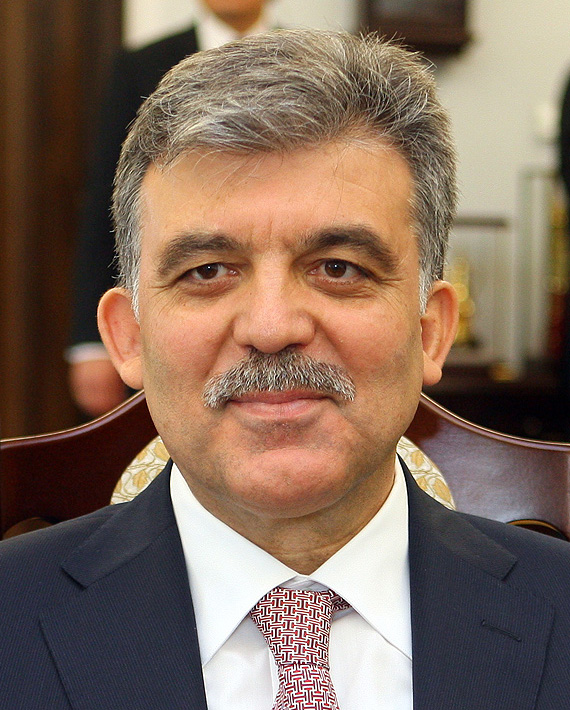


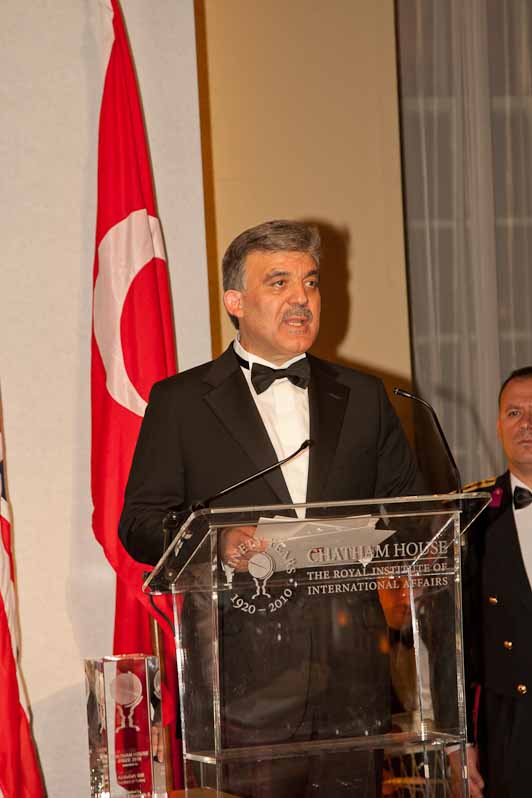
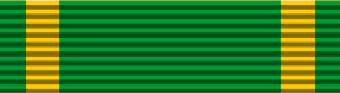
Early life and education
Gül was born in the central Anatolian city of Kayseri, in what is today the Republic of Turkey, on 29 October 1950. He studied economics and public administration at Istanbul University and later continued studies in the United Kingdom. Before entering national politics he worked in the private sector and took part in academic and civil society activities.
Political career and offices
Gül emerged as a leading figure in the reformist conservative movement that founded the AKP in the early 2000s. He held a sequence of senior roles in government and party organization, combining responsibilities in both domestic and international policy. His public profile rose quickly after parliamentary entry and appointment to top executive posts.
- Prime Minister: 2002–2003 — short term during a transition within the new governing party.
- Minister of Foreign Affairs: 2003–2007 — focus on diplomatic engagement and regional relations.
- President: 2007–2014 — served one full term as head of state under the 1982 constitution.
Presidency and public role
Gül's nomination and election as president in 2007 were followed by intense public and parliamentary debate over the role of the presidency and the secular character of the state. During his term he presided over state functions, represented Turkey internationally, and played a role in the broader political dialogue between institutions. As foreign minister and later as president he supported efforts to deepen ties with neighboring countries and maintain an active diplomatic profile.
Legacy and later life — After completing his presidential term Gül remained an influential figure in public life, occasionally commenting on national debates and party politics. He is often noted for his conciliatory manner and for having helped guide a party that reshaped Turkish politics in the early 21st century. Married since 1980 to Hayrünnisa Gül, he is a father of three.
Further reading and sources: official biographies, contemporary press coverage and academic studies provide detailed accounts of his policies, the institutional debates of his presidency, and his role in Turkey's political evolution. For official entries and primary documents see links to relevant government and institutional pages.
President of Turkey | Prime Minister | Kayseri | Turkey | Istanbul University
Related articles
Author
AlegsaOnline.com Abdullah Gül (Turkish politician and former president) Leandro Alegsa
URL: https://en.alegsaonline.com/art/113203