
Franz Joseph II, Prince of Liechtenstein
Prince Franz Joseph II (1906–1989) reigned 1938–1989. First sovereign to live full‑time in Liechtenstein, he guided the country through wartime neutrality and a dramatic postwar economic transformation.
Franz Joseph II (Franz Josef Maria Aloys Alfred Karl Johannes Heinrich Michael Georg Ignaz Benediktus Gerhardus Majella; 16 August 1906 – 13 November 1989) was the sovereign prince of the Alpine principality of Liechtenstein from 1938 until his death in 1989. A member of one of Europe's oldest reigning families, he presided over the state for more than half a century and is remembered for moving the dynasty's residence into the principality and for guiding Liechtenstein's shift from an agrarian economy to a prosperous financial and industrial centre.
Image gallery
7 Images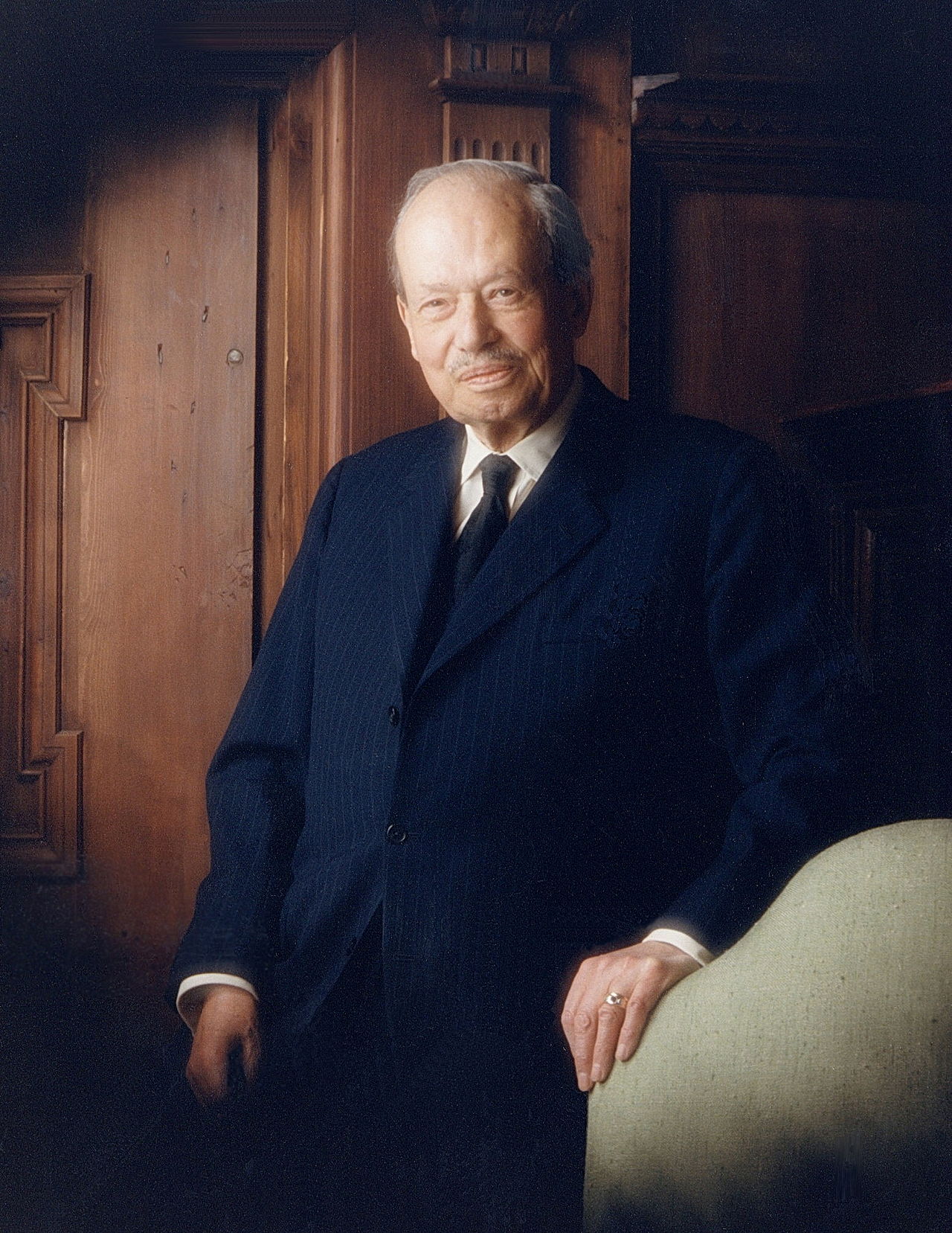


Early life and accession
Born into the princely House of Liechtenstein, Franz Joseph was the son of Prince Aloys and Archduchess Elisabeth Amalie of Austria. His father renounced his own right of succession in 1921 in favour of Franz Joseph, who became heir apparent. On the death of his great-uncle Franz I in 1938 he acceded to the throne. Unlike his predecessors, he established his primary residence in the principality, signaling a closer, more visible relationship between the ruling family and the country's inhabitants.
Reign during crisis and neutrality
Franz Joseph's reign began on the eve of World War II. During the war and its immediate aftermath he maintained a policy of strict neutrality and navigated pressures from neighbouring powers while protecting the sovereignty of Liechtenstein. The small state avoided occupation and preserved its independence through cautious diplomacy and an emphasis on non-alignment.
Economic and administrative transformation
One of the defining features of Franz Joseph's rule was the deliberate modernization of the principality's economy and institutions. Under successive governments and with princely support, Liechtenstein shifted away from a largely agricultural base toward industrial manufacturing and financial services. The government promoted a favourable business environment through tax and regulatory policies, development of infrastructure, and encouragement of small and medium enterprises. These changes contributed over decades to a marked rise in per‑capita income and to the country's reputation as a business-friendly jurisdiction.
Domestic reforms and foreign relations
Franz Joseph oversaw administrative and social developments that strengthened public services, education, and civil administration. He also expanded diplomatic contacts and worked to secure Liechtenstein's place among European microstates, balancing respect for tradition with pragmatic engagement in international affairs. Throughout his reign he maintained the constitutional role of the prince while supporting government initiatives to modernize the state's governance.
Personal life and legacy
He married Countess Georgina von Wilczek; among their children was his son and successor, Hans‑Adam II. Franz Joseph died in November 1989 after more than fifty years on the throne. He is widely regarded in Liechtenstein as the ruler who brought the principality into the modern era: a sovereign who combined dynastic continuity and symbolic leadership with active support for economic development and international diplomacy.
Notable facts
- Reigned as Prince of Liechtenstein from 1938 to 1989.
- First ruling prince to reside permanently within the principality.
- Presided over the country’s transition from an agricultural economy to a center for industry and finance.
- Succeeded by his son, Hans‑Adam II.
Related articles
Author
AlegsaOnline.com Franz Joseph II, Prince of Liechtenstein Leandro Alegsa
URL: https://en.alegsaonline.com/art/119192