
Gian Gastone de' Medici, last Medici Grand Duke of Tuscany
Gian Gastone de' Medici (1671–1737) was the final Medici Grand Duke of Tuscany. His short reign introduced modest reforms, reduced repression, and preceded the transfer of Tuscany to the House of Lorraine.
Overview
Gian Gastone de' Medici (24 May 1671 – 9 July 1737) was the last ruling Medici Grand Duke of Tuscany, governing from 1723 until his death in 1737. He belonged to the long-established Medici dynasty whose patronage had shaped the arts and politics of Florence and Tuscany for centuries. His accession followed the long and conservative reign of his father, Cosimo III de' Medici, and occurred at a moment when European diplomacy and dynastic politics were deciding the future of the Tuscan state.
Image gallery
8 Images




Family background and early life
Gian Gastone was the second son of Cosimo III and Marguerite Louise d'Orléans. He grew up in a court heavily influenced by religious observance and traditional aristocratic etiquette. His elder brother died young, making Gian Gastone the male heir who would eventually inherit the grand ducal title. His sister, Anna Maria Luisa de' Medici, later the Electress Palatine, played an important role in cultural affairs and in securing the Medici cultural patrimony for the city of Florence.
Marriage and personal life
In 1697 he was married to Anna Maria Franziska of Saxe-Lauenburg; the marriage was childless. Contemporary observers and later historians have described Gian Gastone as withdrawn and often resistant to court ceremony. Reports about his private life were a matter of rumor in his own time and have been discussed by scholars; it is broadly accepted that he did not produce legitimate heirs, a fact that made the question of succession a matter of international concern.
Domestic policy and reforms
Upon becoming Grand Duke in 1723, Gian Gastone undertook a series of reforms that in tone and effect contrasted with many measures enacted under his father. He moved to soften certain punitive practices: public executions and the most ostentatious forms of corporal punishment were curtailed, some heavy taxes on the poor were reduced or relieved, and a number of restrictive regulations affecting Jewish residents were repealed or relaxed, restoring greater legal tolerance within the duchy. His reforms were pragmatic and limited by the short span of his rule, but they signaled a shift toward less clerically dominated governance and more humane administration of justice.
Diplomacy, succession disputes and European context
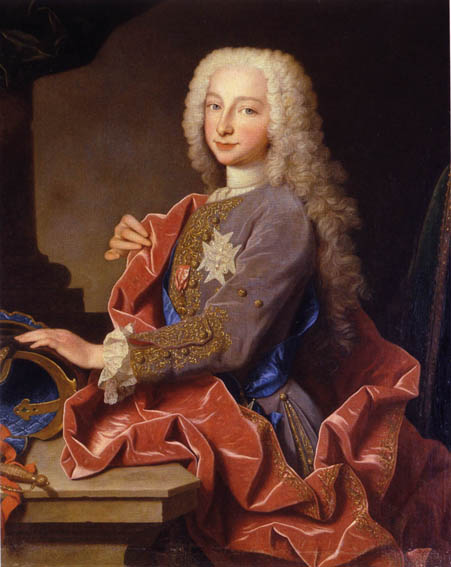
The absence of direct heirs made Tuscany the object of international bargaining among the great powers of the era. Various states and dynasties advanced claims or preferences for the Tuscan succession. At different times the kingdoms and polities of Spain, Great Britain, Austria and the Dutch Republic took part in negotiations and treaties that shaped the final settlement. Early proposals included claims linked to branches of the Spanish Bourbons, including Charles (later Charles III of Spain) in one phase of the diplomacy. Over time, the balance of power settled on a transfer of the grand ducal title to the House of Lorraine.
Death and succession
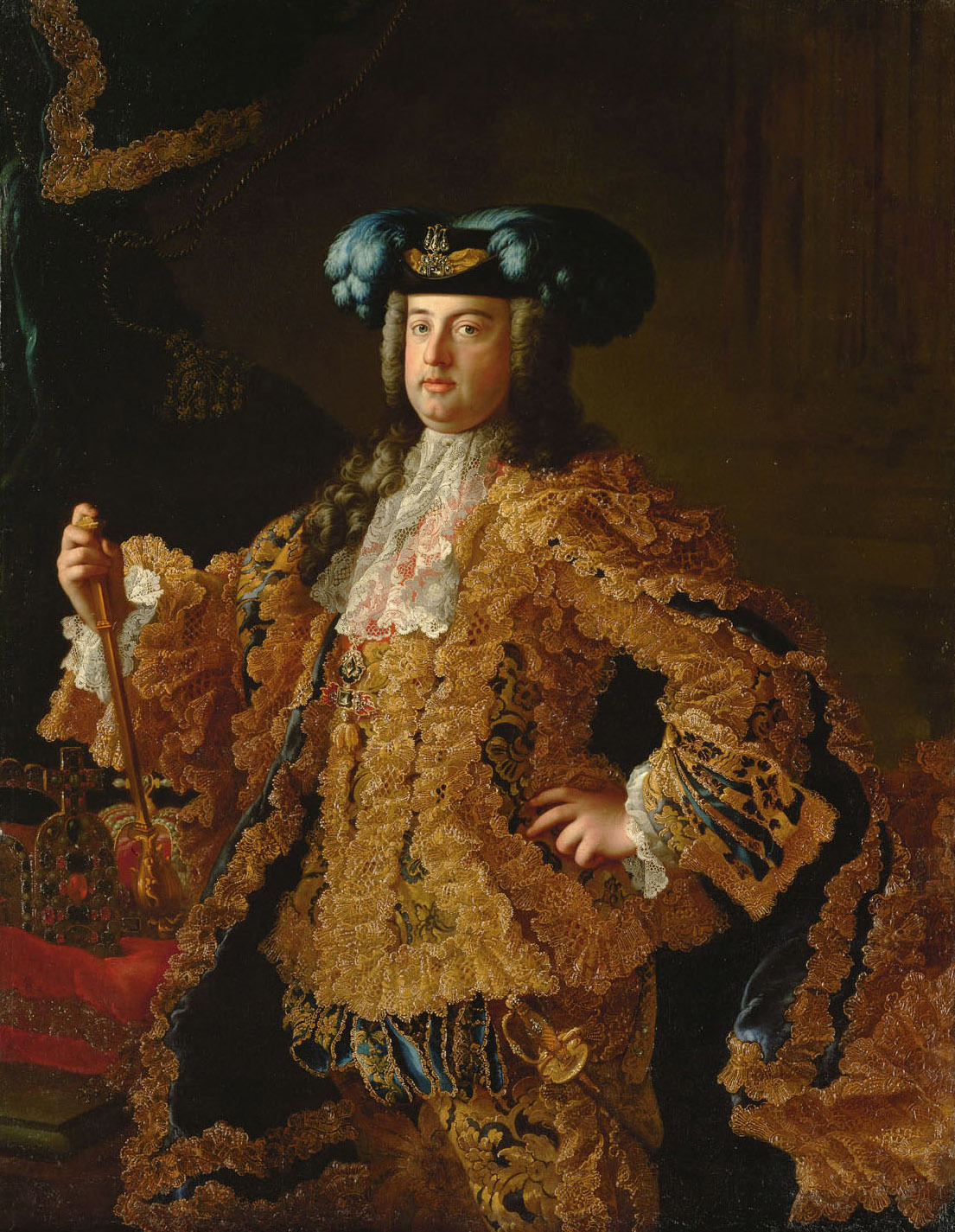
Gian Gastone died on 9 July 1737 with no surviving legitimate descendants. Following international agreements and dynastic arrangements reached among the major powers, the grand duchy passed to Francis Stephen of Lorraine (often styled Francis III of Lorraine), marking the end of nearly three centuries of Medici political rule over Florence and Tuscany. The change in dynasty reflected wider European diplomatic settlements and the importance of Tuscany within the balance of power of the period.
Legacy
- Political: His reforms are remembered as modest but significant rollback of the more repressive measures of his father's rule, and as an attempt to humanize administration in the final years of Medici sovereignty.
- Cultural: The Medici artistic and cultural legacy was preserved, in no small part owing to the actions of his sister Anna Maria Luisa, who secured the family's collections for the benefit of the city and its inhabitants.
- Historical: The death of Gian Gastone closed the main Medici line and signalled a broader transition in Italian and European politics, as Tuscany came under the influence of larger dynastic arrangements.
For readers seeking further study, primary sources and modern scholarly treatments examine court life, the reform measures of the 1720s and 1730s, and the international diplomacy that determined Tuscany's fate. Short biographical notices and more extensive monographs provide context for his personal life, the institutional limits he faced, and the cultural endowment left to Florence by the Medici family.
Related subjects can be explored through specialist catalogues and exhibitions that document Medici patronage, the later transfer of collections, and the role of European treaties in shaping Italian states during the early 18th century. Additional reference entries may be found under the house of Medici and the broader histories of late-seventeenth and early-eighteenth century Tuscany.
Questions and answers
Q: Who was Gian Gastone de' Medici?
A: Gian Gastone de' Medici was the last Medici Grand Duke of Tuscany, born on May 24, 1671.
Q: Who were Gian Gastone de' Medici's parents?
A: Cosimo III de' Medici, Grand Duke of Tuscany and Marguerite Louise d'Orléans were Gian Gastone de' Medici's parents.
Q: Who did Gian Gastone de' Medici marry and when?
A: Gian Gastone de' Medici married Anna Maria Franziska of Saxe-Lauenburg in 1697.
Q: Did Gian Gastone de' Medici have any children?
A: No, Gian Gastone de' Medici and his wife remained childless.
Q: What is known about Gian Gastone de' Medici's sexuality?
A: It was common knowledge that Gian Gastone de' Medici was homosexual.
Q: What did Gian Gastone de' Medici do during his reign as Grand Duke?
A: Gian Gastone de' Medici reversed all his father's laws, repealed anti-Jewish laws, stopped taxes for poorer people, and stopped public executions.
Q: How did the Medici rule over Florence end?
A: On July 9, 1737, Francis III of Lorraine became the Grand Duke, ending almost 300 years of Medici rule over Florence.
Related articles
Author
AlegsaOnline.com Gian Gastone de' Medici, last Medici Grand Duke of Tuscany Leandro Alegsa
URL: https://en.alegsaonline.com/art/119784