
Count Basie: American jazz bandleader, pianist, and composer
Overview of William 'Count' Basie, his musical style, career with the Count Basie Orchestra, key collaborators, signature pieces, and lasting influence on swing and big-band jazz.
William "Count" Basie (1904–1984) was an American jazz pianist, organist, bandleader and composer who became one of the central figures of the swing era. For nearly fifty years he led the Count Basie Orchestra, a group celebrated for its relaxed drive, economical arranging and strong sense of swing. Basie's reputation rests on both his understated piano approach and his ability to cultivate ensembles in which soloists and sections could shine.
Image gallery
7 Images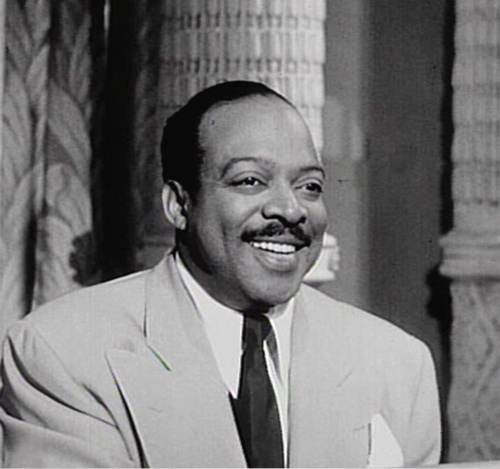



Musical style and ensemble
Basie's piano style is often described as spare and rhythmic: he favored light, precise touches, well-placed single-note phrases and the purposeful use of silence. His bands emphasized riffs, clear sectional writing and a propulsive rhythm section that set a template for modern big bands. The Basie rhythm section — typically piano, Freddie Green on guitar, Walter Page (or other bassists) and Jo Jones (drums) in early classic lineups — became famous for its seamless swing and understated support of soloists.
Key collaborators and repertoire
- Lester Young and Herschel Evans (tenor saxophones)
- Buck Clayton and Harry "Sweets" Edison (trumpets)
- Singers such as Jimmy Rushing and Joe Williams
Basie's orchestra recorded enduring numbers that became jazz standards. Two widely recognized pieces associated with his name are "One O'Clock Jump," an energetic riff-based tune often used as a set closer, and "April in Paris," noted for its memorable arrangement and audience appeal.
Basie rose to prominence during the 1930s through performances and recordings that helped spread the Kansas City style of blues-inflected swing. His bands moved between small-group improvisation and full-band charts, balancing arranged ensemble passages with extended solo features. He also worked as a mentor and talent-spotter, giving many young musicians a national platform.
Throughout his long career Basie adapted to changing tastes while preserving a recognizable sound: economy, timing and the primacy of swing. He won critical acclaim and awards in later decades and remained an active recording and touring leader into the 1970s. His approach to ensemble balance and his knack for simple but effective arrangements influenced subsequent generations of jazz arrangers and bandleaders.
Notable distinctions include his lasting role in defining big-band swing, his promotion of important soloists, and the persistence of the Count Basie Orchestra as a recording and touring entity beyond his lifetime. Basie's influence is evident in how modern jazz values rhythm, space, and ensemble dynamics as much as individual virtuosity.
Questions and answers
Q: Who was Count Basie?
A: Count Basie was an American jazz pianist, organist, bandleader, and composer who led his popular Count Basie Orchestra for almost 50 years.
Q: What was his contribution to jazz?
A: Count Basie was one of the most important jazz bandleaders of his time and helped many important musicians become popular and successful, including tenor saxophonists Lester Young and Herschel Evans, trumpeters Buck Clayton and Harry "Sweets" Edison, and singers Jimmy Rushing and Joe Williams.
Q: How long did Count Basie lead his orchestra?
A: Count Basie led his popular Count Basie Orchestra for almost 50 years.
Q: What were some of Count Basie's famous songs?
A: Count Basie's famous songs were "One O'Clock Jump" and "April In Paris".
Q: When was Count Basie born and when did he die?
A: Count Basie was born on August 21, 1904, and he died on April 26, 1984.
Q: Which musical instruments did Count Basie play?
A: Count Basie played the piano and the organ.
Q: Can you name some of the musicians who became successful with Count Basie's help?
A: Some of the musicians who became popular and successful with Count Basie's help were tenor saxophonists Lester Young and Herschel Evans, trumpeters Buck Clayton and Harry "Sweets" Edison, and singers Jimmy Rushing and Joe Williams.
Related articles
Author
AlegsaOnline.com Count Basie: American jazz bandleader, pianist, and composer Leandro Alegsa
URL: https://en.alegsaonline.com/art/116847