
Big beat (electronic music genre)
Big beat is a late-20th-century electronic dance music style combining heavy breakbeats, rock and hip-hop influences, sampling and loud, anthemic arrangements that reached mainstream popularity in the 1990s.
Big beat is an electronic genre that emerged in the 1990s and is associated with dance-floor energy and crossover appeal. It blends programmed breakbeats with synthesizer loops, sampled riffs and loud, often distorted textures drawn from rock, hip-hop and funk. Producers shaped tracks to work both in clubs and on radio, giving the style a punchy, accessible sound.
Image gallery
3 Images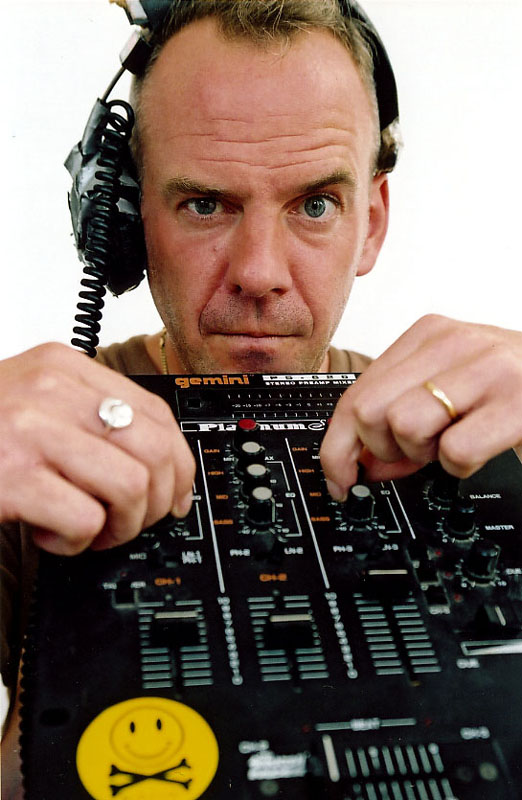


Characteristics
- Rhythms: Prominent, chopped or looped breakbeats and syncopated drum patterns.
- Production: Heavy use of sampling, turntablism techniques and studio effects; emphasis on bold hooks.
- Timbre: Distorted bass, guitar stabs or synth riffs, horn hits and dramatic drops.
- Tempo and feel: Mid- to up-tempo grooves that sit between slower downtempo styles and faster rave subgenres.
Big beat is related to many other styles; artists and critics often note influences from dance music, drum and bass, alternative rock, punk rock, trip-hop and psychedelic rock. These connections help explain the genre's tendency to mix live-sounding elements with electronic production.
History and development
The form coalesced in Britain during the early-to-mid 1990s as club producers sought bigger, more immediate sounds that could reach mainstream listeners. By combining sampling culture with rock instrumentation and accessible song structures, big beat artists found a place in clubs, festivals and mainstream media. Its prominence peaked in the late 1990s when several acts achieved international recognition and heavy radio play.
Notable features of the period include high-profile singles, energetic live performances and a visual aesthetic that borrowed from both club culture and rock showmanship. The style also benefited from music videos and film/advertising placements, which helped tracks cross over beyond nightclubs.
Uses, distinctions and legacy
Big beat tracks remain popular in compilations, soundtracks and advertising where an assertive, driving backdrop is needed. The genre is distinct from trip-hop (which is moodier and downtempo) and from drum-and-bass (which centers on very fast, complex breakbeats). Though its mainstream visibility declined after the 1990s, big beat's techniques—sample-driven hooks, hybrid electronic/rock arrangements and bold rhythmic edits—continue to influence electronic and pop producers.
For further reading on related styles and artists, follow links to broader discussions of the genre and connected scenes.
Questions and answers
Q: What is big beat music?
A: Big beat music is a genre of dance music that incorporates different styles such as drum and bass, alternative rock, trip-hop, acid house, beat music, punk rock, and psychedelic rock.
Q: What are the different genres of music incorporated into big beat?
A: The different genres of music incorporated into big beat are drum and bass, alternative rock, trip-hop, acid house, beat music, punk rock, and psychedelic rock.
Q: Is big beat a popular genre of music?
A: Yes, big beat is a popular genre of music.
Q: What is the characteristic of big beat music?
A: The characteristic of big beat music is its energetic, upbeat, and rhythmic sound.
Q: What is the origin of big beat music?
A: Big beat music originated in the mid-1990s in the UK.
Q: Can big beat music be considered a fusion genre?
A: Yes, because big beat music incorporates different genres of music, it can be considered a fusion genre.
Q: What are some examples of big beat bands?
A: Some examples of big beat bands are The Chemical Brothers, Fatboy Slim, The Prodigy, and The Crystal Method.
Tags
Related articles
Author
AlegsaOnline.com Big beat (electronic music genre) Leandro Alegsa
URL: https://en.alegsaonline.com/art/11316