
Big Bag — Jim Henson and Sesame Workshop children's series
Big Bag (1996–1998) was a short-format children's puppet and sketch series from Jim Henson and Sesame Workshop on Cartoon Network, mixing puppetry, animation and live-action segments for young viewers.
Big Bag was a short-format children's television series produced through a collaboration between Jim Henson's creative teams and Sesame Workshop. Broadcast on Cartoon Network from 1996 to 1998, the program combined Muppet-style puppetry with animated shorts, live-action inserts and musical sketches to engage preschool and early-school-age audiences. The series presented light educational themes—curiosity, cooperation and creativity—within an entertainment-first approach. See a general overview: series overview and background on the puppetry style: Muppet-style techniques.
Image gallery
1 Image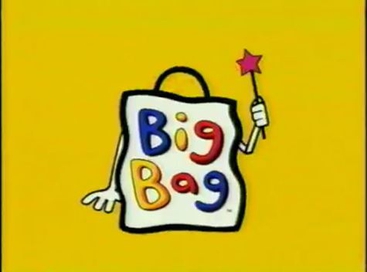
Format and content
Big Bag used a magazine-like structure: puppet hosts framed each episode and introduced a succession of shorter segments designed to hold young viewers' attention. Segments included brief animated stories, simple live-action demonstrations and musical or comic pieces. Repeated features reinforced social skills and problem-solving in ways that were accessible without heavy didactic instruction. For episode and segment listings consult available series details.
Production and aims
The series resulted from a partnership intended to bring Henson's puppet craft to cable television while drawing on Sesame Workshop's educational experience. Production emphasized tactile puppet performance, character-driven humor and clear staging so visual storytelling remained intelligible to young children. Creative input came from teams experienced in children's programming; production notes and archives provide additional context: show archive.
Characteristics and notable elements
- Blended puppetry, animation and occasional live-action material.
- Short, varied segments to match young attention spans.
- Playful use of music and physical comedy rooted in Henson techniques.
- Light educational content focused on social and cognitive themes.
Broadcast and legacy
Airings on Cartoon Network placed Big Bag within the network's 1990s expansion into younger-audience programming. The show ran for two seasons in 1996–1998 and is often noted for adapting established puppet traditions to cable formats. Its hybrid structure influenced later short-form preschool offerings and remains of interest to scholars and fans tracing the evolution of puppet-based children's shows. For the network context see: network pages.
Further reading and resources
Information about the series can be found in production notes, retrospective articles and television reference guides. For creator and organizational context consult materials related to Jim Henson and the educational mission of Sesame Workshop. Additional resources include episode guides, archival listings and curated analyses of children's television programming.
Related articles
Author
AlegsaOnline.com Big Bag — Jim Henson and Sesame Workshop children's series Leandro Alegsa
URL: https://en.alegsaonline.com/art/11310