
Sesame Workshop
Sesame Workshop is a U.S. nonprofit organization that creates research-driven educational media for children, best known for producing Sesame Street and international co-productions.
Overview
Sesame Workshop, originally founded as the Children's Television Workshop (CTW) in the late 1960s, is an American nonprofit organization devoted to creating educational content for children. It combines television production with ongoing educational research in order to teach foundational skills—such as language, early literacy, numeracy, and social-emotional development—to preschool audiences. The organization is best known for producing the long-running series Sesame Street, which premiered in the United States in November 1969 on PBS.
Image gallery
5 Images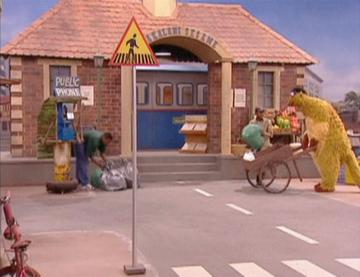


Mission and model
What distinguishes Sesame Workshop is its integrated research-and-production model. Educational specialists, formative researchers, curriculum advisors, producers and writers collaborate to translate learning goals into entertaining television segments, sketches, songs and interactive media. This approach emphasizes measurable learning objectives and iterative testing—materials are often evaluated with children and educators during development so that content can be revised to improve clarity and effectiveness.
Key features and output
The Workshop produces a variety of media and resources designed for different ages and contexts. Beyond its flagship program, the organization has created other series, classroom materials and digital resources aimed at school readiness, literacy, health and social skills. It works with writers, puppeteers, educators and performers (including early collaborations with puppeteer Jim Henson) to develop memorable characters and formats that engage young viewers.
History and development
The project grew from planning and fundraising conducted in the mid-to-late 1960s, an effort that brought together public broadcasters, philanthropic foundations and educational experts. The original concept conceived television as a tool to help prepare children—especially those from under-resourced communities—for school. From its origins as the Children's Television Workshop, the organization later adopted the name Sesame Workshop to reflect a broader portfolio of programs and global activity.
Global reach and funding
Sesame Workshop has collaborated with broadcasters and producers in many countries to create local versions of its programs, adapting characters and curriculum to different languages and cultural contexts. While it operates as a nonprofit, the Workshop mixes public and philanthropic support with earned revenue from licensing, publishing and merchandising to sustain production and outreach. These partnerships help fund research, community initiatives and distribution in regions where public media infrastructure varies.
Impact and notable distinctions
Sesame Workshop is widely recognized for influencing how educational media for children is produced and evaluated. Its research-driven model has been cited as an innovation in the use of television for education, and its characters and songs have become cultural touchstones across generations. The organization continues to expand into digital platforms and community programs while maintaining ties to public broadcasting and formal education communities. For more organizational background, see its profile as a nonprofit educational organization.
- Founded as Children’s Television Workshop; later rebranded Sesame Workshop
- Flagship program: Sesame Street (premiered 1969 on PBS)
- Approach: curriculum goals + formative research + production
- Global co-productions and localized content
Questions and answers
Q: What is Sesame Workshop?
A: Sesame Workshop (SW) is an American non-profit organization that researches and produces educational children's programs.
Q: What was Sesame Workshop previously known as?
A: Sesame Workshop was previously known as the Children's Television Workshop (CTW).
Q: When was Sesame Workshop established?
A: Sesame Workshop was established in 1968.
Q: What television show did Sesame Workshop oversee the production of?
A: Sesame Workshop oversaw the production of Sesame Street, a television show for pre-school children from low-income families.
Q: When did Sesame Street premiere in the United States?
A: Sesame Street premiered on PBS in the United States in November 1969.
Q: How long did it take to research, develop, and raise money for the production of Sesame Street?
A: It took two years, from 1966 to 1968, to research, develop, and raise money for the production of Sesame Street.
Q: How did co-founder Joan Ganz Cooney describe the collaboration in developing Sesame Street?
A: Co-founder Joan Ganz Cooney described the collaboration as an "arranged marriage", with educational advisers, researchers, and television producers collaborating as equal partners.
Related articles
Author
AlegsaOnline.com Sesame Workshop Leandro Alegsa
URL: https://en.alegsaonline.com/art/89141
Sources
- guidestar.org : Form 990: Return of Organization Exempt from Income Tax
- apps.irs.gov : Sesame Workshop
- sesameworkshop.org : Leadership Team