
5 August 2018 Lombok earthquake
A powerful Mw 6.9 earthquake struck Lombok, Indonesia on 5 August 2018. It followed a foreshock on 29 July, caused widespread damage, casualties and displacement, and formed part of a damaging seismic sequence.
Overview
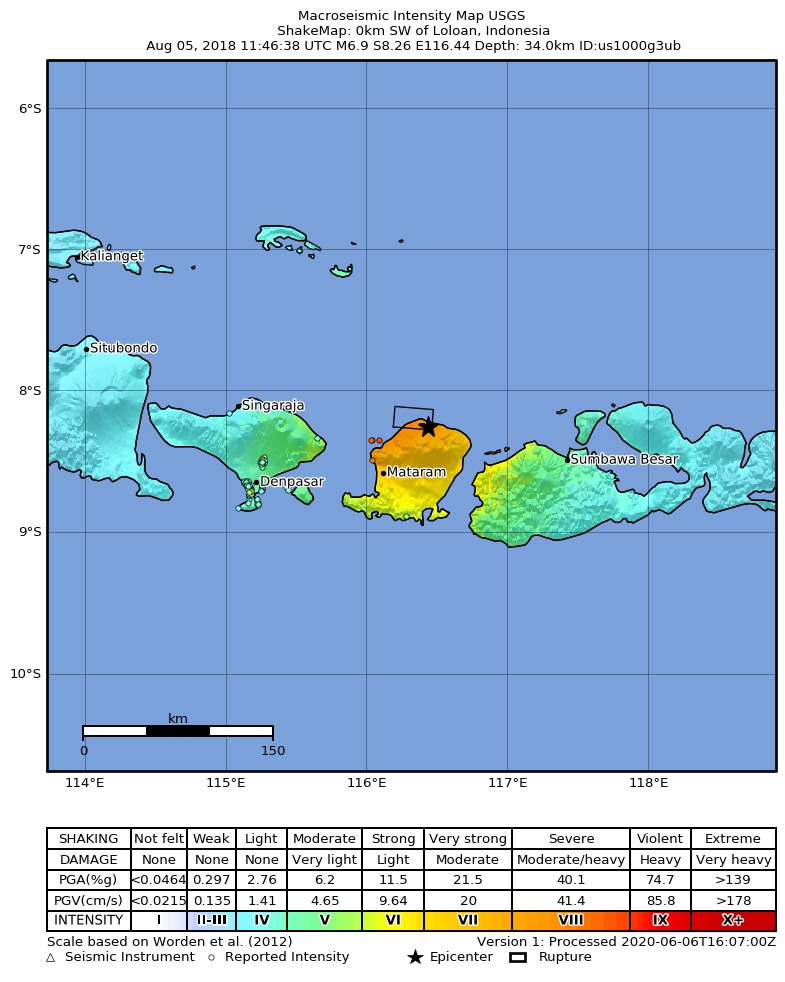
On 5 August 2018 a major earthquake struck the Indonesian island of Lombok, part of the country of Indonesia. The event was widely reported with a moment magnitude of Mw 6.9 (often described in media as about 7.0 on the Richter scale). This shock was the principal event of a short but intense seismic sequence that affected North Lombok and surrounding areas.
Image gallery
9 Images




Sequence, epicentre and local context
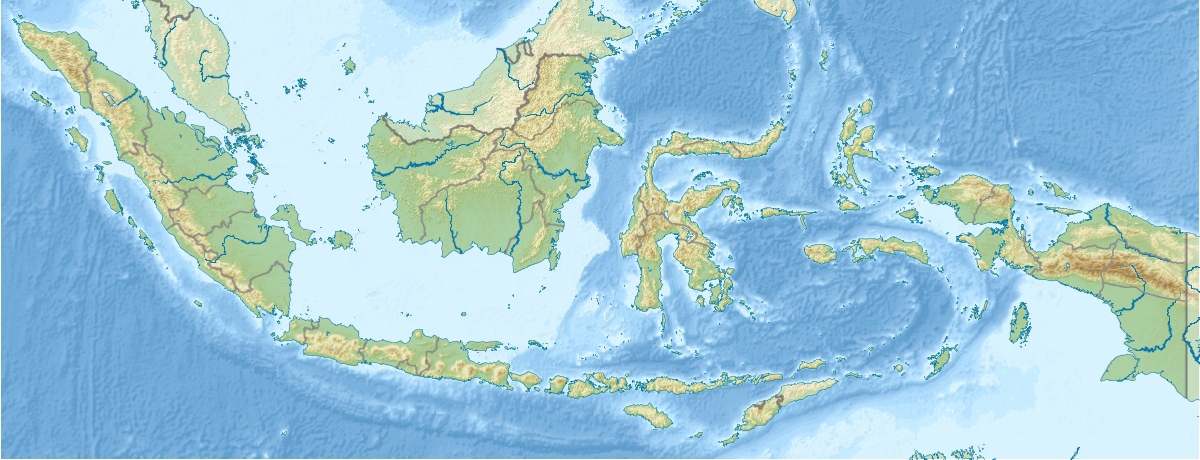
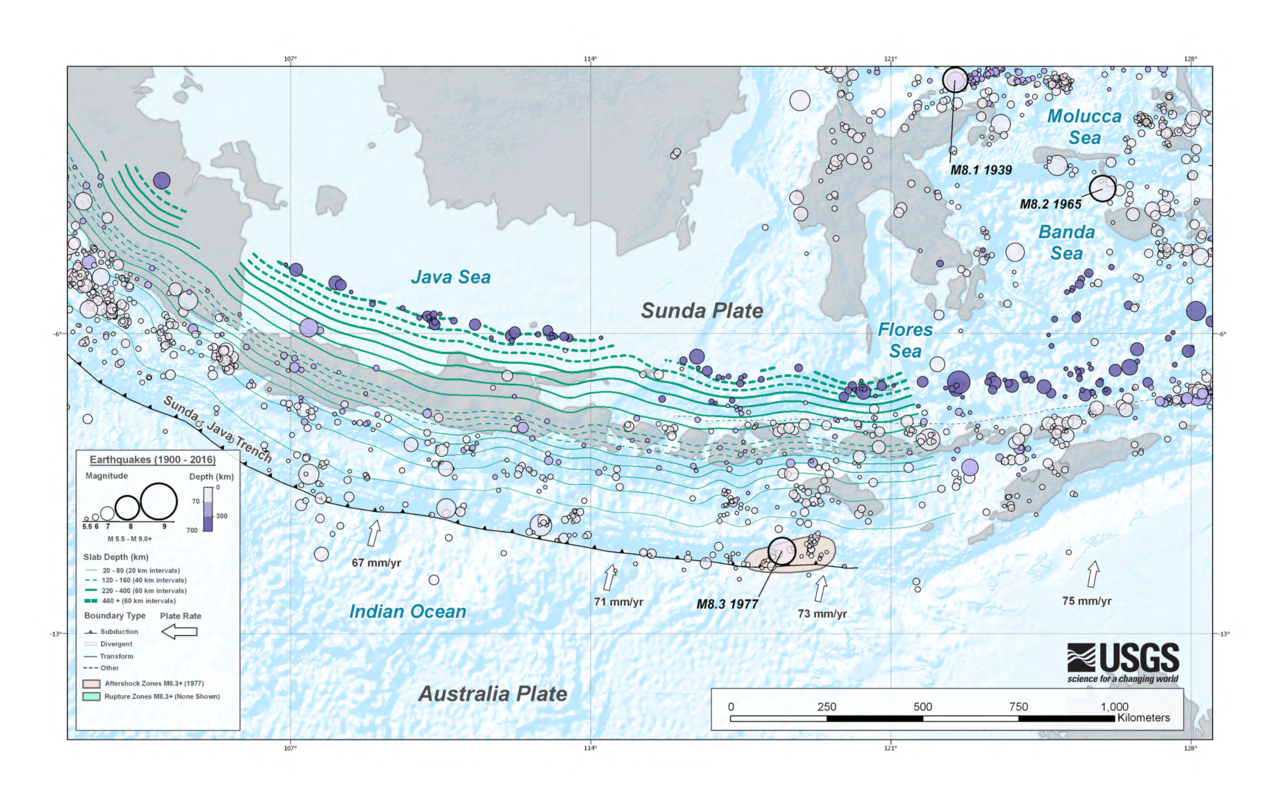
The 5 August quake followed a strong foreshock on 29 July that measured about 6.4 (29 July foreshock). The main shock's epicentre was located inland near Loloan Village in North Lombok Regency, close to populated settlements and mountain slopes (Loloan area). Lombok lies within the active Sunda Arc region, where complex plate interactions and local faults produce frequent moderate to large earthquakes.
Damage, casualties and coastal effects
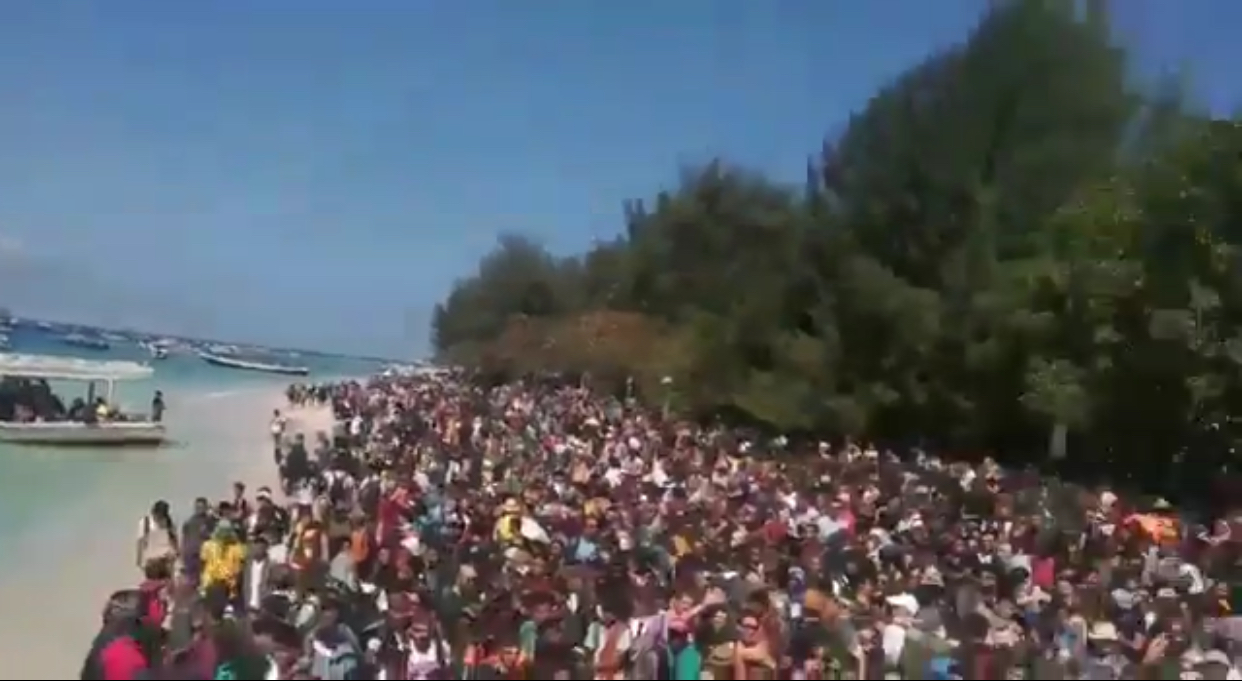
The earthquake caused widespread structural damage across villages and small towns in North and East Lombok. Local reports and assessments recorded hundreds of deaths and injuries; authorities confirmed fatalities and more than a thousand people injured, with many thousands left homeless. In some coastal locations, tsunami waves or unusual sea-level changes were observed and reported along shorelines (coastal effects), adding to concern among communities already coping with damaged buildings.
Humanitarian response and impacts
Emergency response focused on search and rescue, medical treatment, temporary shelter and distribution of food, water and blankets. Damage to housing and infrastructure disrupted daily life and tourism—an important local industry, including visitors to Mount Rinjani and coastal resorts. Aftershocks in the days and weeks that followed hampered recovery and increased psychological and material hardship for displaced families.
Seismology and terminology
Technically, the event is described by seismologists using the moment magnitude scale (Mw) because it better represents the energy released by larger earthquakes than the original Richter scale. The Lombok shocks illustrate how foreshock–mainshock–aftershock sequences can occur, and why shallow crustal earthquakes in island arcs often produce severe local impacts even when magnitudes are in the mid‑6 range.
Aftermath and lessons
In the months following the disaster, recovery programmes addressed shelter, rebuilding and retrofitting of vulnerable structures, while civil authorities and aid organisations emphasised disaster preparedness and early warning improvements. The 5 August 2018 Lombok earthquake remains an example of the human and economic consequences of seismic activity in densely settled island regions and of the need for resilient construction and community preparedness.
Related articles
Author
AlegsaOnline.com 5 August 2018 Lombok earthquake Leandro Alegsa
URL: https://en.alegsaonline.com/art/112991
Sources
- idntimes.com : "BMKG: Tsunami 10–15 Cm Sudah Masuk Daratan Lombok"
- news.sky.com : "Lombok earthquake: Number killed on Indonesia tourist island rises to 319"