
July 29, 2018 Lombok earthquake (Mw 6.4)
A shallow magnitude 6.4 earthquake struck Lombok, Indonesia on 29 July 2018, killing 20, injuring hundreds and causing substantial damage; it was a foreshock to a larger quake a week later.
Overview
On the morning of 29 July 2018 a shallow earthquake of moment magnitude 6.4 struck the Indonesian island of Lombok. The event occurred at a depth of about 6.4 km, with its epicentre in Sembalun Subdistrict in East Lombok Regency (Sembalun). Local authorities reported that around 20 people were killed and hundreds were injured, and that substantial damage affected homes, public buildings and infrastructure.
Image gallery
5 Images



Tectonic setting and causes
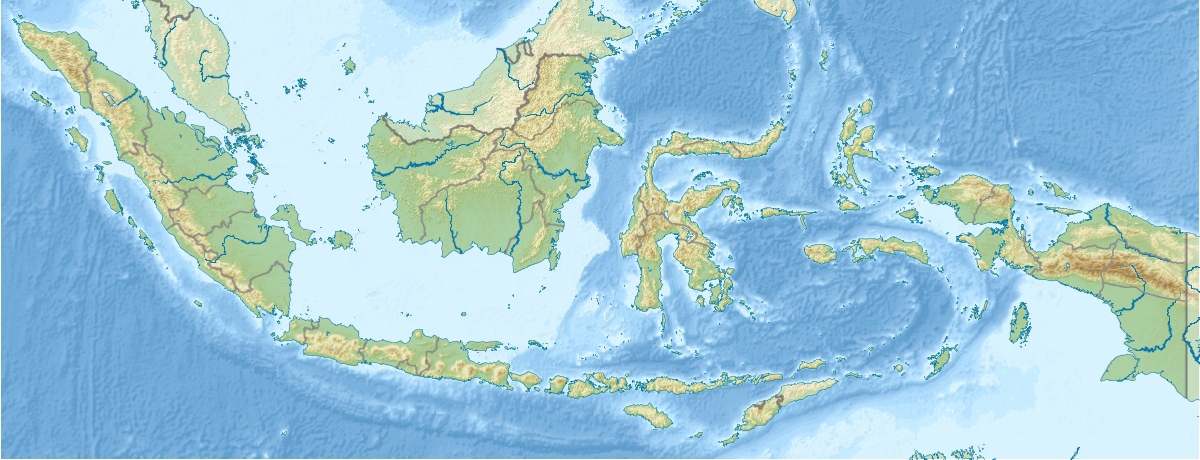
Lombok lies within the Sunda Arc, a seismically active region produced by the convergence of the Australian Plate and the Eurasian Plate. Earthquakes in this area are commonly associated with plate-boundary interactions and nearby crustal faults. The shallow depth of the 29 July shock amplified ground shaking at the surface, increasing the potential for damage compared with deeper events.
Damage, casualties and immediate effects
The quake caused widespread structural damage in parts of central and eastern Lombok. Many houses and low-rise buildings—particularly those not built to modern seismic standards—suffered cracks or collapse. Secondary effects included localized landslides on steep slopes and temporary disruptions to utilities and roads. The combination of strong shaking and vulnerable construction contributed to the number of injuries and fatalities.
Response and humanitarian action
Emergency services, local government and community volunteers carried out search and rescue, medical care and evacuation of damaged areas. Temporary shelters were established for displaced people, and assessments were initiated to prioritise repairs and aid distribution. The event prompted domestic relief efforts and attention from national disaster agencies; coordination focused on shelter, water, sanitation and restoring access to affected villages.
Seismological note and relation to later events
Seismologists later identified the 29 July earthquake as a foreshock to a larger Mw 6.9 event that struck Lombok about a week later. In seismic terminology, a foreshock is a smaller quake that precedes a larger mainshock in the same area. The sequence produced numerous aftershocks, reminding communities of the ongoing risk and the importance of preparedness measures.
Legacy and lessons
The July 2018 Lombok earthquake sequence highlighted vulnerabilities in building stock, the higher risk posed by shallow events, and the need for disaster-resistant construction and community preparedness. It also affected tourism temporarily in parts of the island, especially around Mount Rinjani and popular beach areas. Reconstruction and mitigation efforts that followed aimed to improve resilience against future earthquakes.
For official scientific and emergency summaries consult seismological or government sources such as the event pages and situation reports (see references).
Related articles
Author
AlegsaOnline.com July 29, 2018 Lombok earthquake (Mw 6.4) Leandro Alegsa
URL: https://en.alegsaonline.com/art/51544
Sources
- kabar24.bisnis.com : "Gempa di Sumbawa Akibat Sesar Naik Flores"
- tribunnews.com : "Sebanyak 564 Gempa Susulan Guncang Lombok Hingga Sabtu, 4 Agustus 2018"
- liputan6.com : "Dampak Gempa Lombok: 17 Jiwa Meninggal dan 10 Ribu Orang Mengungsi - Tirto.ID"
- liputan6.com : "Korban Jiwa Gempa Lombok Bertambah Jadi 20 Orang"
- reliefweb.int : "Asia Pacific: Multiple disasters affect millions in the region"
- nasional.kompas.com : "BMKG Nyatakan Gempa Lombok Magnitudo 7 sebagai yang Utama dari Gempa Pekan Lalu"