
2 Maccabees — Deuterocanonical Account of the Maccabean Revolt
A Greek-language, deuterocanonical book that retells and interprets the Jewish struggle against Seleucid rule, emphasizing martyrdom, piety, and hopes about the afterlife.
Overview
2 Maccabees is a short, theologically driven history written in Koine Greek that narrates part of the Jewish resistance to Seleucid rule during the second century BCE. It covers episodes connected with the struggle against Antiochus IV and the subsequent leaders associated with the Maccabean family. Unlike the more straightforward chronicle style of 1 Maccabees, this work emphasizes religious meaning, miracles, and moral lessons.
Image gallery
7 Images


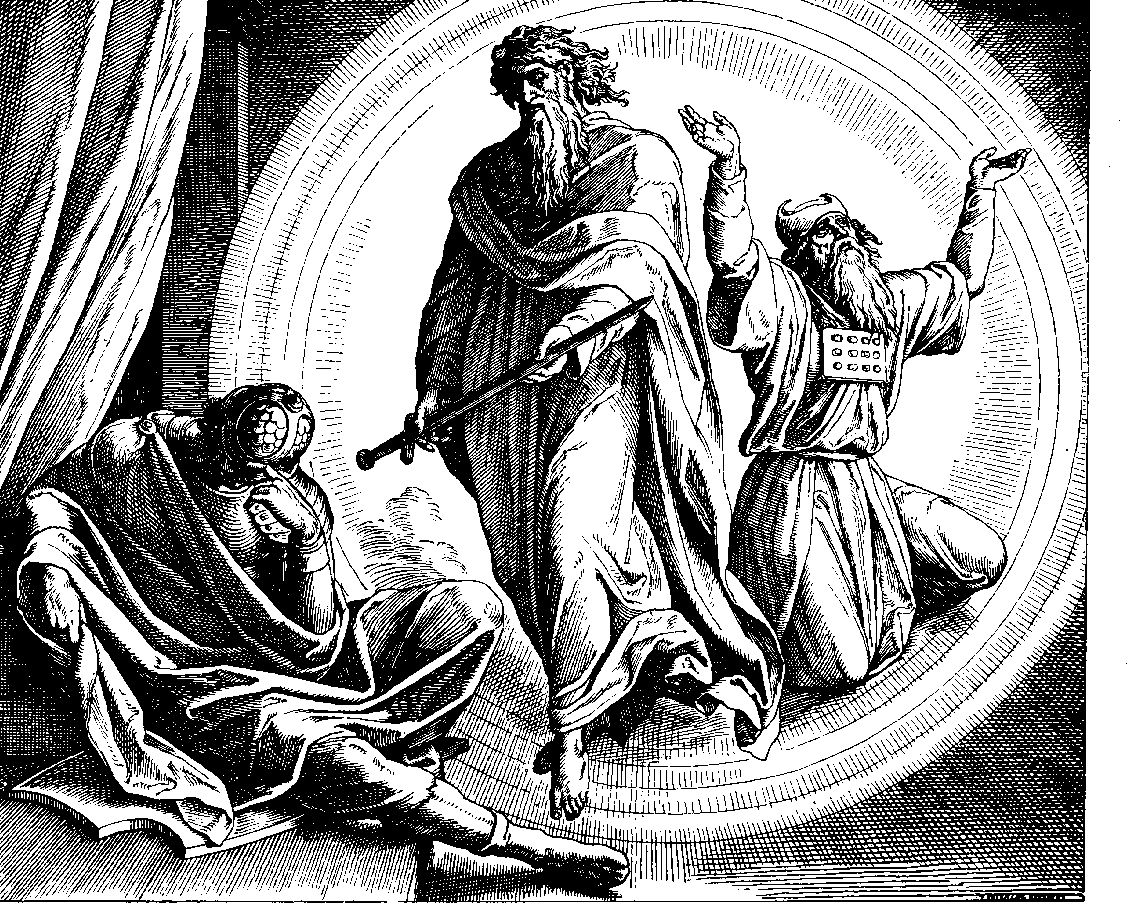


Authorship, Date and Sources
The work appears to be an abridgement of a larger five-volume history by a writer known as Jason (or Jason of Cyrene), and the extant version identifies its author as an epitomizer rather than the original historian. Most scholars date the composition to the second century BCE, often around the mid-120s BCE, and place its origin in a Greek-speaking Jewish community, commonly thought to be Alexandria. The book is written in polished Greek and reflects rhetorical and historiographical conventions of Hellenistic literature.
Contents and Structure
2 Maccabees is selective and thematic rather than comprehensive. It opens with background material, then retells key episodes from the revolt, including temple profanation and campaigns led by Jewish commanders. The narrative is arranged to highlight particular incidents that illustrate perseverance, piety, and divine justice. Notable episodes include accounts of dramatic martyrdoms, prayers for the dead, and episodes presented as divine interventions.
Major Themes and Characteristics
- Martyrdom and witness: The book extols those who suffer and die for fidelity to the law.
- Prayer for the dead: It includes passages that have been historically important in debates over intercession and posthumous prayers.
- Divine retribution and miracles: Events are often framed to show God's active support for the faithful.
- Hope in an afterlife: Certain scenes reflect developing Jewish beliefs about resurrection and reward.
Canonical Status and Reception
The book is part of the Christian deuterocanonical corpus and appears in the Septuagint tradition. It is accepted in the Roman Catholic and Eastern Orthodox canons but is generally excluded from the Jewish Tanakh and from most Protestant Old Testaments, where it is often classified as Apocrypha. For discussions of its place in various traditions see Catholic and Orthodox listings and comparative studies of the apocryphal books.
Historical Value and Legacy
Scholars treat 2 Maccabees as historically useful but interpret its narrative with caution. It preserves independent traditions about the Maccabean era that complement other sources, yet its primary aim is theological interpretation rather than exhaustive chronology. The book has had lasting influence on Christian theology concerning martyrdom, prayers for the dead, and early expressions of resurrection belief. For the military and political context of some episodes see materials on the Jewish revolt and figures such as Antiochus IV and the defeat of Nicanor (revolt overview, Nicanor and opponents).
As a work of Hellenistic Jewish literature, 2 Maccabees offers a window into how Jewish communities in the Greek-speaking world remembered crisis, celebrated fidelity, and articulated hopes that would shape later religious traditions.
Related articles
Author
AlegsaOnline.com 2 Maccabees — Deuterocanonical Account of the Maccabean Revolt Leandro Alegsa
URL: https://en.alegsaonline.com/art/112794