
2020 Republican Party presidential primaries
Series of state and territorial contests that selected 2,550 delegates to the 2020 Republican National Convention and resulted in incumbent President Donald Trump’s renomination.
Overview
The 2020 Republican Party presidential primaries and caucuses were the processes by which Republican voters in U.S. states and jurisdictions, the District of Columbia (DC), and five territories chose delegates to attend the Republican National Convention (RNC). Those delegates were charged with confirming the party’s choice for its presidential nominee for the 2020 general election and with helping to set the party platform ahead of the November contest between presidential candidates.
Image gallery
10 Images




Structure and delegates
The Republican Party allocated a total of 2,550 delegates to the convention, including both pledged delegates awarded through primary and caucus contests and automatic delegates associated with party officials. State parties followed a mix of primary and caucus rules, with some using winner-take-all or proportional systems. Several state parties also adjusted procedures in 2020, favoring expedited or reduced contests in support of the incumbent.
Timeline and outcome
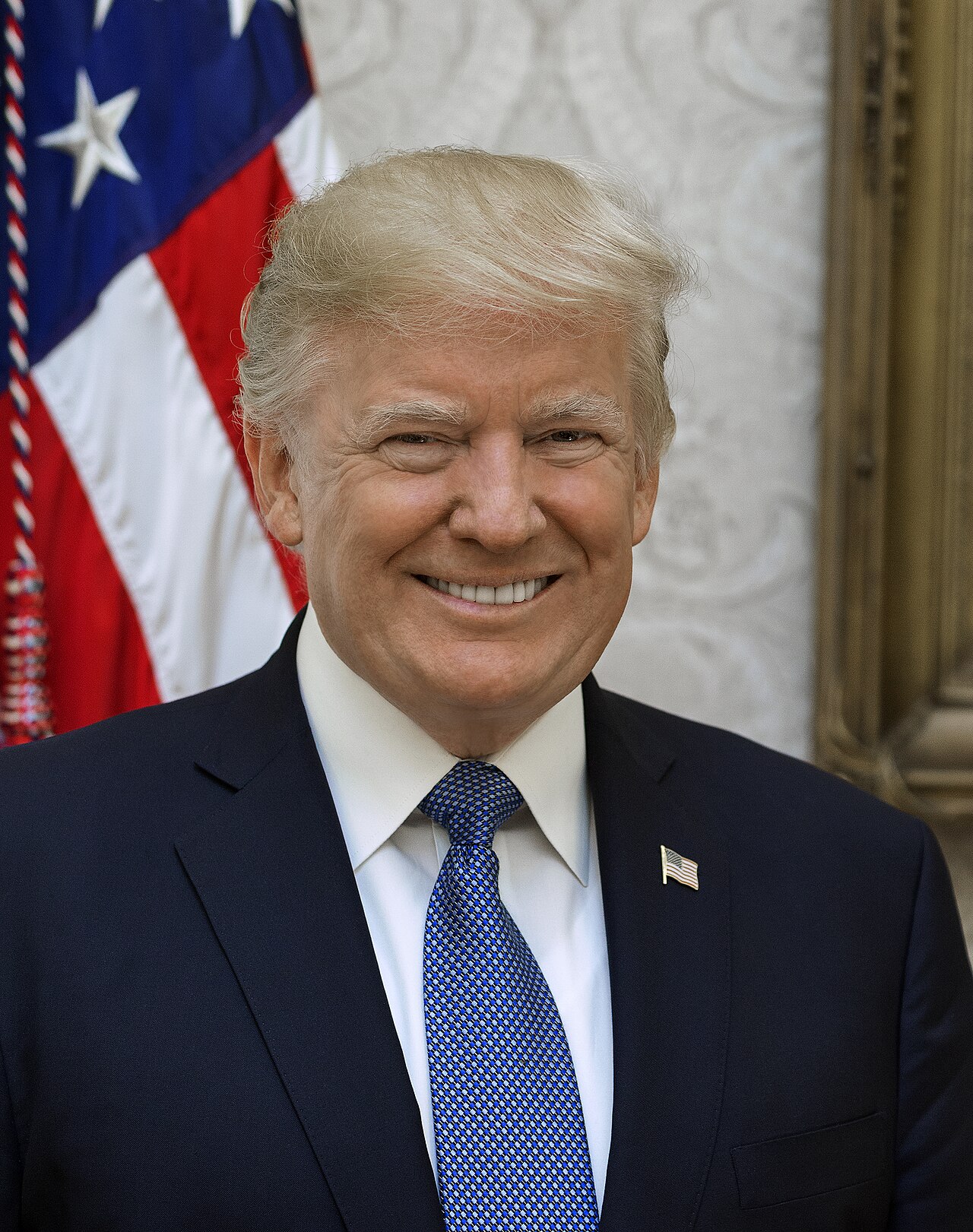
Incumbent President Donald Trump faced only token opposition from a small field of challengers. He secured a majority of delegates by mid-March, clinching the presumptive nomination on or about March 17 after a series of primary wins. The selection was formalized when delegates cast votes at the Republican National Convention, where the party officially nominated him on August 24. The primaries thus determined the Republican ticket that would compete in the November 2020 election for the presidency.
Candidates and competition
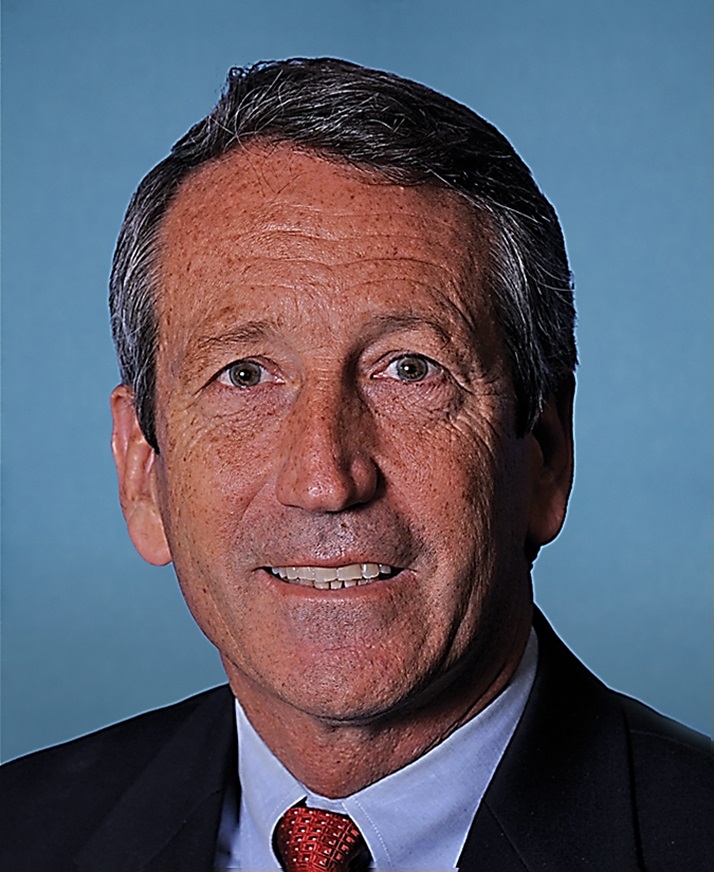
Challenges to an incumbent president were limited in scale. Prominent Republican challengers included former Massachusetts governor Bill Weld, former congressman Joe Walsh, and former South Carolina governor Mark Sanford; most suspended campaigns after poor showings in early contests. Because incumbent presidents typically enjoy strong institutional support, many state GOP organizations curtailed competitive processes or expressed unified backing for Trump, resulting in few contested ballots in many states.
Context, disruptions and significance
The 2020 primary calendar was affected by the COVID-19 pandemic and by party decisions to streamline delegate selection for an incumbent. Turnout patterns and media coverage reflected the low level of intra-party competition. While the mechanics confirmed the incumbent’s renomination, the primaries also provided a procedural framework for delegate allocation, state party rules, and campaign organization ahead of the general election.
Notable facts
- The total delegate count allotted to the RNC for 2020 was 2,550 delegates.
- Many state parties coordinated with national leaders to expedite or reduce contests when an incumbent sought reelection.
- The convention served both to nominate the party’s candidate and to adopt or reaffirm elements of the Republican platform before the 2020 contest at the RNC.
Questions and answers
Q: What were the 2020 Republican Party presidential primaries and caucuses?
A: The 2020 Republican Party presidential primaries and caucuses were a series of elections which took place in many U.S. states, the District of Columbia, and five U.S. territories to select the 2,550 delegates to send to the Republican National Convention.
Q: Who was selected as the official nominee at the Republican National Convention?
A: At the Republican National Convention on August 24, Donald Trump was voted for as the official nominee.
Q: How many delegates attended the Republican National Convention?
A: 2,550 delegates attended the Republican National Convention.
Q: When did Donald Trump become the presumptive nominee?
A: On March 17, Donald Trump won more than half of the delegates for the election and became the presumptive nominee.
Q: What happened after Donald Trump became presumptive nominee?
A: After becoming presumptive nominee on March 17, Donald Trump was later voted for as official nominee at he Republican National Convention on August 24th.
Q: How many U.S states held elections during this process?
A: Elections took place in many U.S states during this process including those from within District of Columbia and five U.S territories .
Related articles
Author
AlegsaOnline.com 2020 Republican Party presidential primaries Leandro Alegsa
URL: https://en.alegsaonline.com/art/112669
Sources
- thegreenpapers.com : "The Green Papers"
- politico.com : "Trump, a symbol of New York, is officially a Floridian now"
- thehill.com : "Hawaii GOP cancels presidential preference poll, commits delegates to Trump"
- twitter.com : "Information on the Kansas Republican Party's national convention delegate selection plan. #ksleg"
- apnews.com : "Republican Party to Express 'Undivided Support' for Trump"
- abcnews.go.com : "RNC pledges support for Trump 2020; state leaders consider canceling caucuses"
- apnews.com : "Nevada, SC, Kansas GOP drop presidential nomination votes"
- docquery.fec.gov : "Statement of Candidacy"
- video.foxnews.com : "Former Rep. Joe Walsh enters race as Trump challenger"
- docquery.fec.gov : "Statement of Candidacy"
- fec.gov : "Candidates"
- docquery.fec.gov : "Statement of Candidacy by Mark Sanford"
- abcnews.go.com : "Biden Projected to Win Arizona, Florida and Illinois Democratic Primaries"
- cnn.com : "Bill Weld officially announces he is challenging Trump for GOP nomination in 2020"
- thehill.com : "Weld drops out of GOP primary"