
2017 United Kingdom general election — overview and significance
Snap parliamentary election held on 8 June 2017 that produced a hung parliament; Conservatives remained largest party, Labour made unexpected gains and the government relied on DUP support.
Overview
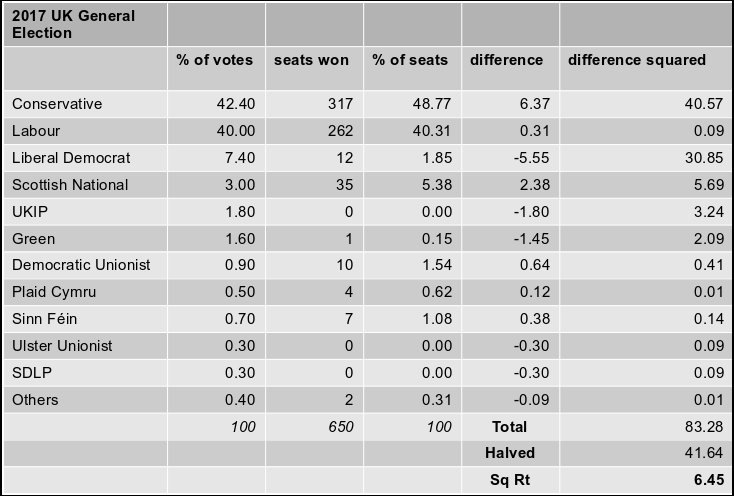
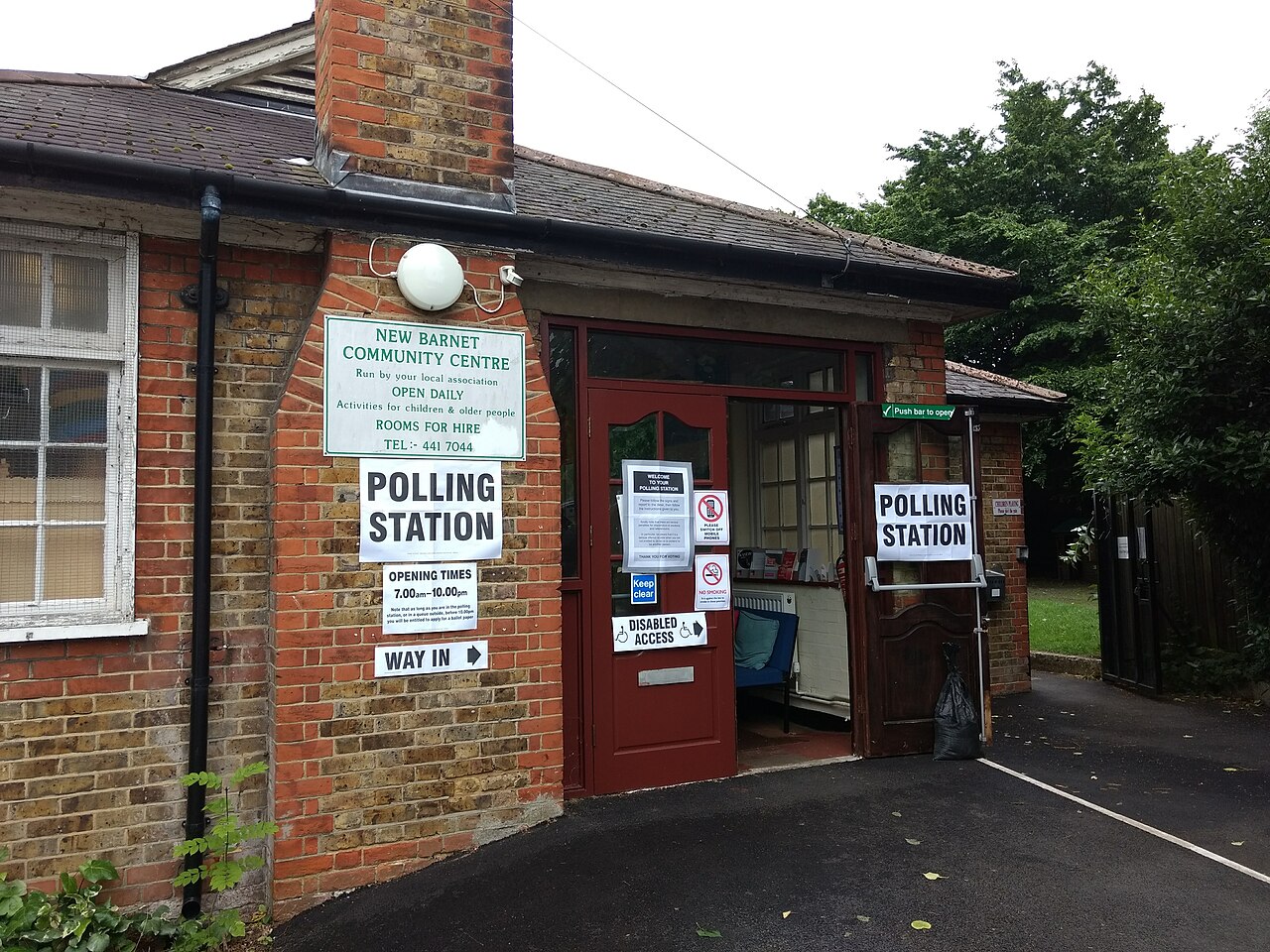
The 2017 United Kingdom general election took place on 8 June 2017 to elect all 650 members of the House of Commons. It was a snap election called by the governing Conservative Party and resulted in a hung parliament: no single party won an overall majority. The Conservatives remained the largest party and continued in government, while the Labour Party made substantial gains compared with the previous general election.
Image gallery
10 Images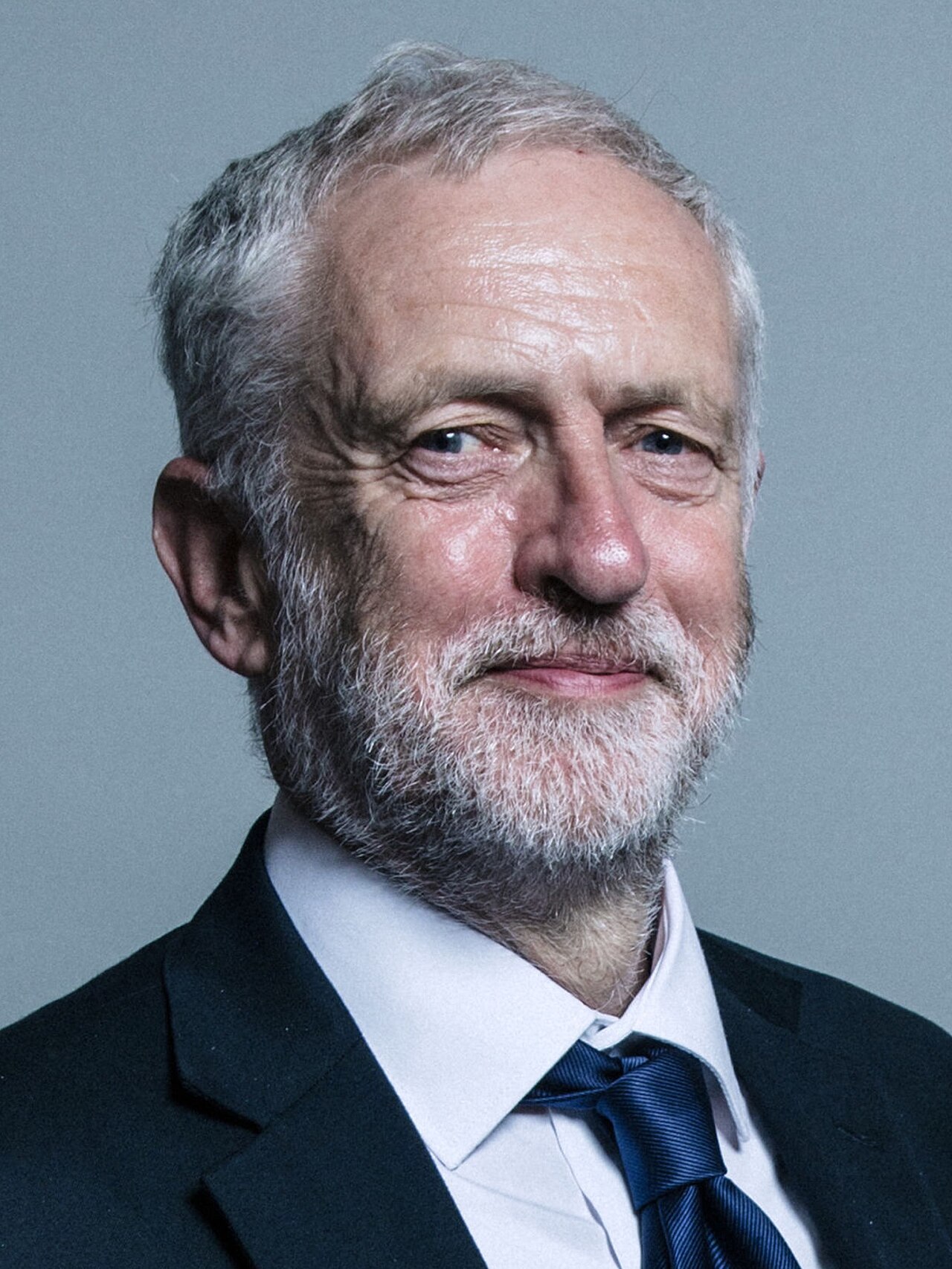






Background and why it was called
The election was triggered when Parliament voted in favour of holding an early poll under the provisions of the Fixed-term Parliaments Act, after the government sought a stronger mandate ahead of negotiations on the United Kingdom's exit from the European Union following the 2016 Brexit referendum. The prime minister at the time, Theresa May, argued that a fresh mandate would give the government greater negotiating authority.
Results and parliamentary arithmetic
No party secured an outright majority of the 650 seats, producing a hung parliament. The Conservative Party won the most seats but lost its parliamentary majority; the Labour Party under Jeremy Corbyn achieved a significant increase in seats compared with the previous election, reversing a long trend of losses. To secure confidence and supply and continue governing, the Conservatives entered an arrangement with the Northern Irish Democratic Unionist Party.
Aftermath and significance
The result altered the immediate balance of power at Westminster. The prime minister remained in post but with reduced authority because her party lacked a majority, and the need for support from smaller parties constrained government options during a crucial period for Brexit talks. The campaign also refocused public debate on domestic issues such as public services, the economy and social policy.
Notable facts and context
- The election was formally a general election to renew the full membership of the Commons.
- It marked the first time in many years that Labour made net seat gains at a general election — often noted in comparison with the 1997 landslide referenced as 1997.
- The outcome prompted a period of negotiation and short-term alliances that shaped the early phase of the Brexit process.
For contemporary reporting and detailed constituency results, see dedicated election analyses and official returns; this summary highlights the main political consequences of the 2017 vote.
Related articles
Author
AlegsaOnline.com 2017 United Kingdom general election — overview and significance Leandro Alegsa
URL: https://en.alegsaonline.com/art/112607
Sources
- researchbriefings.parliament.uk : "General Election 2017: full results and analysis"
- bbc.co.uk : "Theresa May seeks general election"
- bbc.com : "UK election 2017: Conservatives 'to fall short of majority'"