
2016 Fort McMurray Wildfire
A large wildfire in early May 2016 that burned through Fort McMurray, Alberta, prompting the evacuation of nearly 90,000 people and destroying roughly 1,600 buildings.
Overview
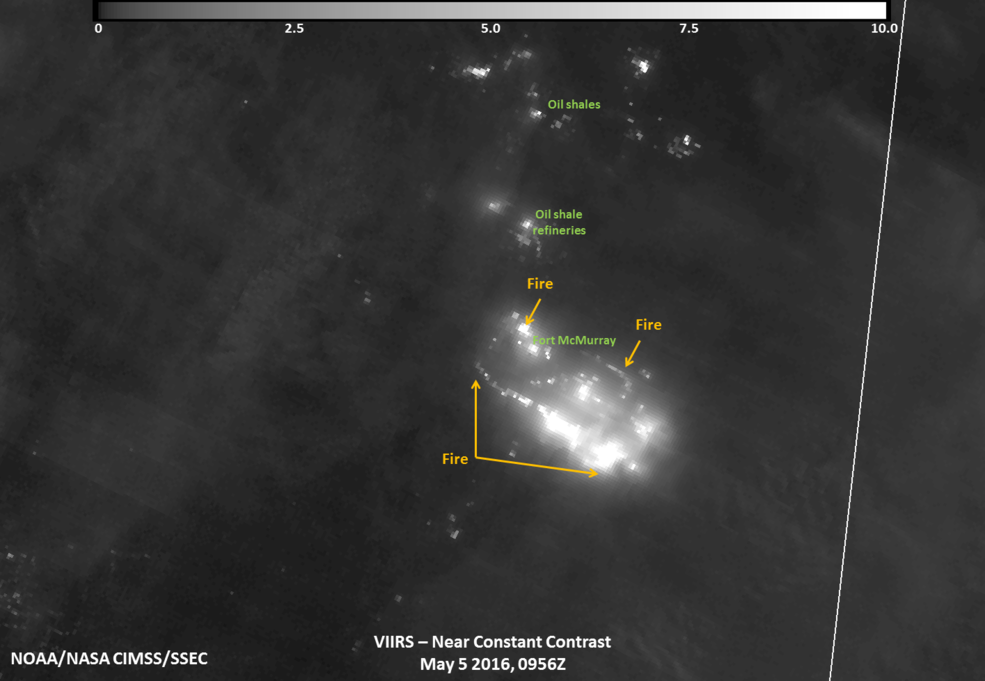
The 2016 Fort McMurray wildfire was a fast-moving fire event that affected northeastern Alberta and had wide repercussions across Canada. Often referred to simply by its host community, the 2016 Fort McMurray wildfire began in early May and spread into the city and surrounding areas. High winds, dry conditions, and abundant fuels contributed to rapid growth, producing extensive smoke and severe threats to people, property and infrastructure.
Image gallery
10 Images





Timeline and response
Local authorities declared a state of emergency in the days after the fire was detected and ordered large-scale evacuations. Mandatory evacuation notices were issued for multiple neighbourhoods as the blaze advanced; nearly 90,000 residents left the area, making it one of the largest wildfire evacuations in Canadian history. Emergency services, provincial agencies and volunteers coordinated routes, shelters and transportation from the affected community.
Damage and displacement
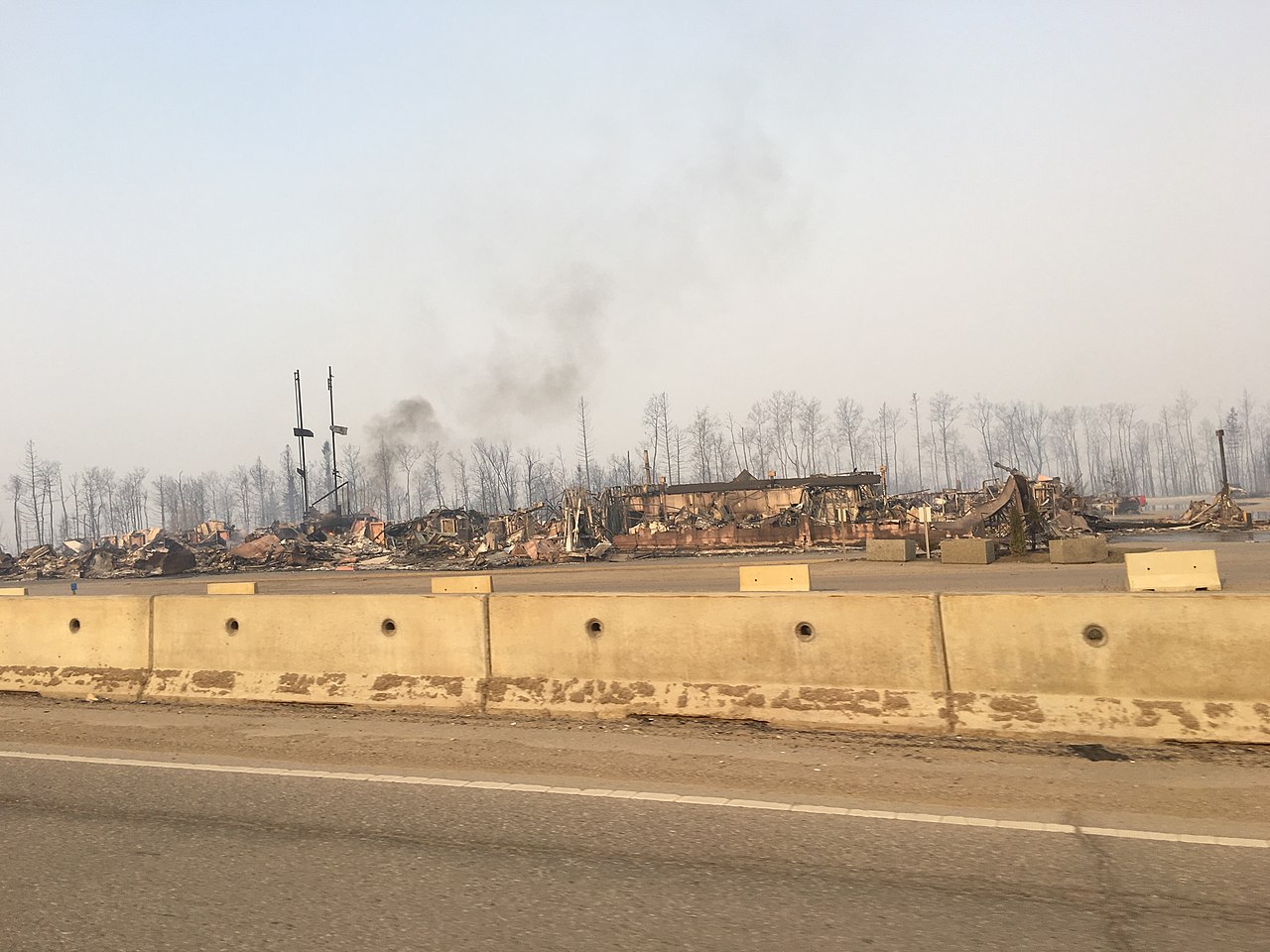
The wildfire damaged or destroyed approximately 1,600 structures, including homes and commercial buildings in and near Fort McMurray. Beyond immediate property losses, many residents experienced long-term displacement, loss of personal belongings and interruption of local businesses. The event also disrupted regional energy operations and supply chains tied to the oil-sands region.
Firefighting and aid
Firefighting efforts involved local crews supported by personnel and equipment from other jurisdictions, as well as voluntary organizations providing relief, supplies and temporary housing. Agencies focused on protecting lives first, then critical infrastructure, while public communications emphasized evacuation routes, shelter locations and safety updates. Recovery programs and insurance processes followed to assist rebuilding and compensation.
Aftermath and significance
In the years after the fire, attention turned to community recovery, rebuilding standards, mental-health supports and wildfire-preparedness planning. The Fort McMurray event is frequently cited in discussions about wildfire risk near urban areas, emergency evacuation planning and the economic impacts of natural disasters. Researchers and officials have used lessons from the fire to refine response strategies and land-management practices.
Related articles
Author
AlegsaOnline.com 2016 Fort McMurray Wildfire Leandro Alegsa
URL: https://en.alegsaonline.com/art/112572
Sources
- cbc.ca : "2 die in fiery crash on Highway 881 south of Fort McMurray"
- cnn.com : "Fort McMurray wildfire 'may be turning a corner,' official says"
- news1130.com : "Fort McMurray Wildfire Continues to Grow"
- cbc.ca : "Fort McMurray Braces for High Winds in Battle with Wildfire"