
2016 Nice truck attack (Bastille Day mass killing)
On 14 July 2016 a man drove a heavy truck into crowds on the Promenade des Anglais in Nice, France, killing 86 people and wounding many. The attack had major legal, security and social consequences for France.
Overview
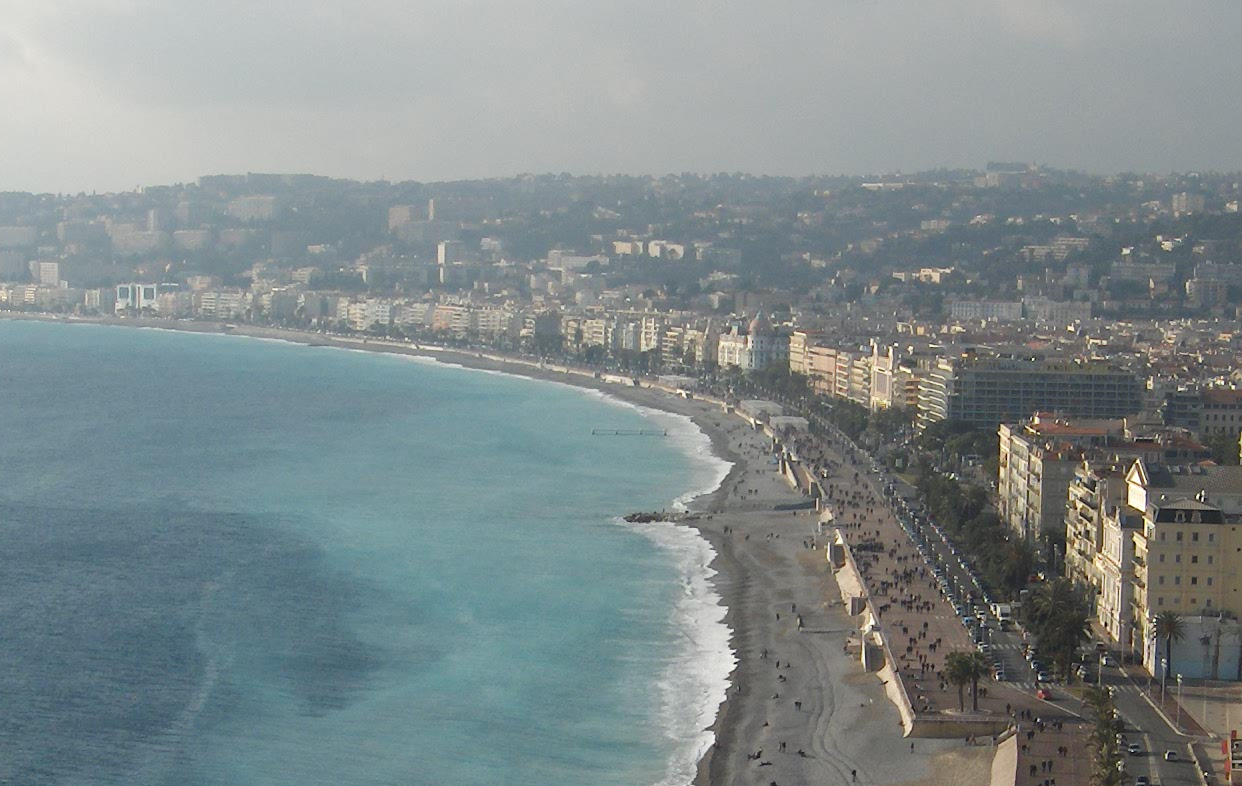
On 14 July 2016 a mass-casualty attack took place on the Promenade des Anglais in Nice, a coastal city in France. The incident occurred during Bastille Day celebrations, the French national day, when large crowds had gathered for festivities and fireworks. A heavy goods vehicle was driven into pedestrians along the seafront, causing widespread death and injury.
Image gallery
10 Images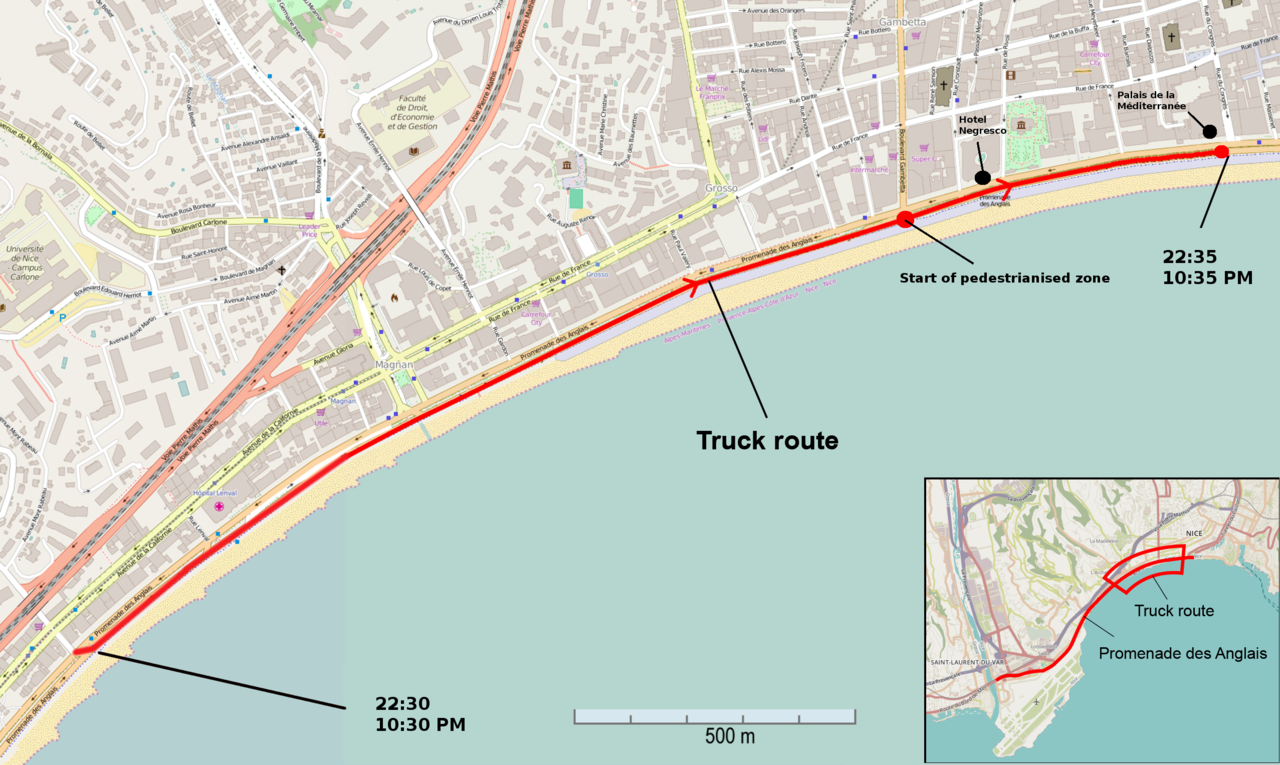



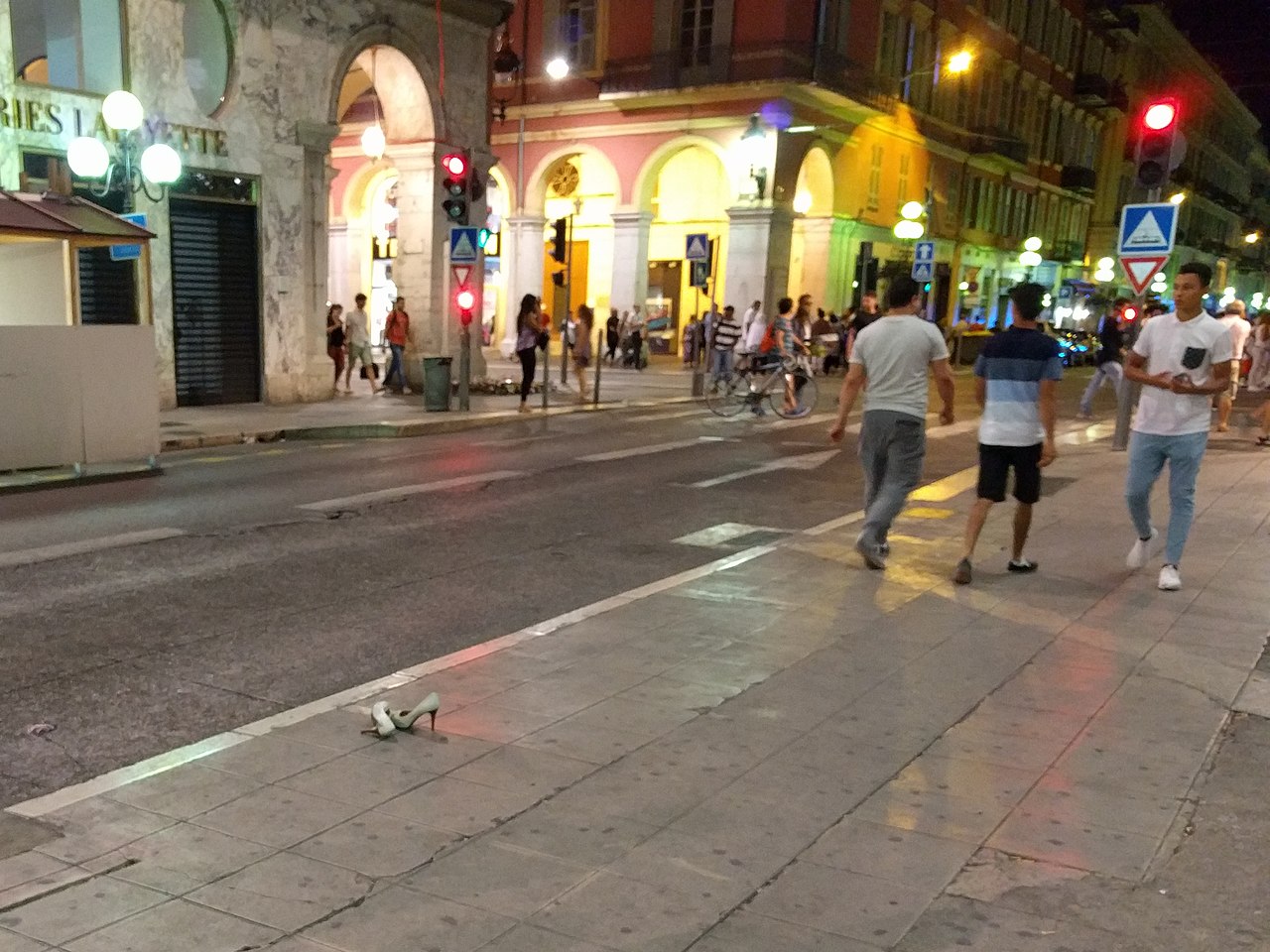

Attack and immediate response
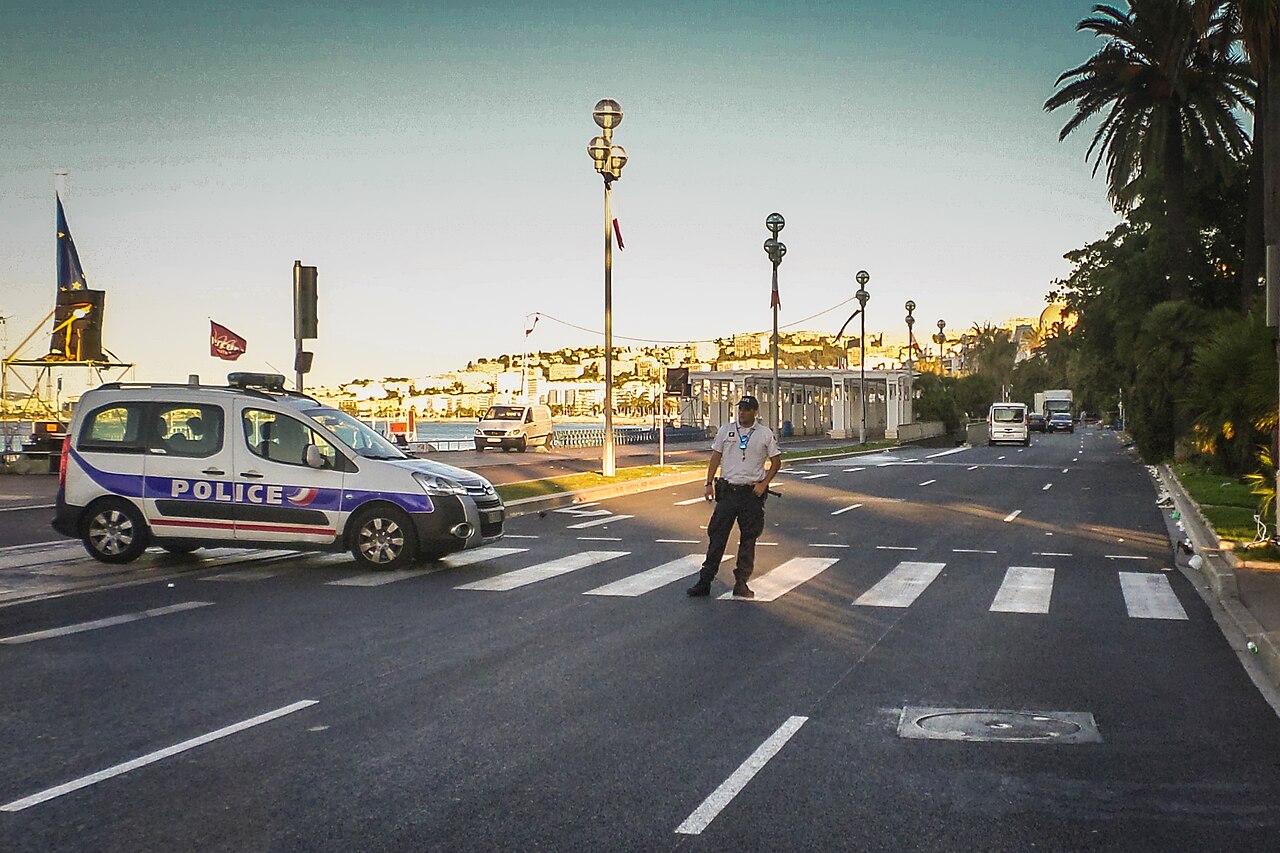
The vehicle ploughed through the crowd at about 22:45 local time. Initial reports described sounds that some mistaken for fireworks; soon it was clear gunfire had also occurred. Eyewitnesses reported scenes of chaos as bystanders tried to help the injured and emergency services rushed to the scene. Security forces engaged the assailant and he was subsequently killed by police.
Perpetrator and investigation
Authorities identified the attacker as a man described in early reports as a Tunisian national who had been living in the region. Multiple investigations followed, focusing on his background, motive and possible contacts. An extremist group later claimed responsibility; French investigators treated the attack as a terrorist act while examining whether the perpetrator acted alone or had assistance.
Casualties and impact
The strike killed scores of people and wounded many more, including children and visitors from other countries. The human toll, psychological trauma and visible destruction of a major public space left a lasting mark on the city and on national debate. Hospitals, first responders and community organisations mounted rescue and support operations in the aftermath.
Legal and societal aftermath
The attack intensified discussion in France about counter‑terrorism measures, public-event security and surveillance. Courts and security services pursued leads and prosecutions related to the case. The event prompted reviews of crowd protection, vehicle access controls and emergency planning at large public gatherings.
Commemoration and notable facts
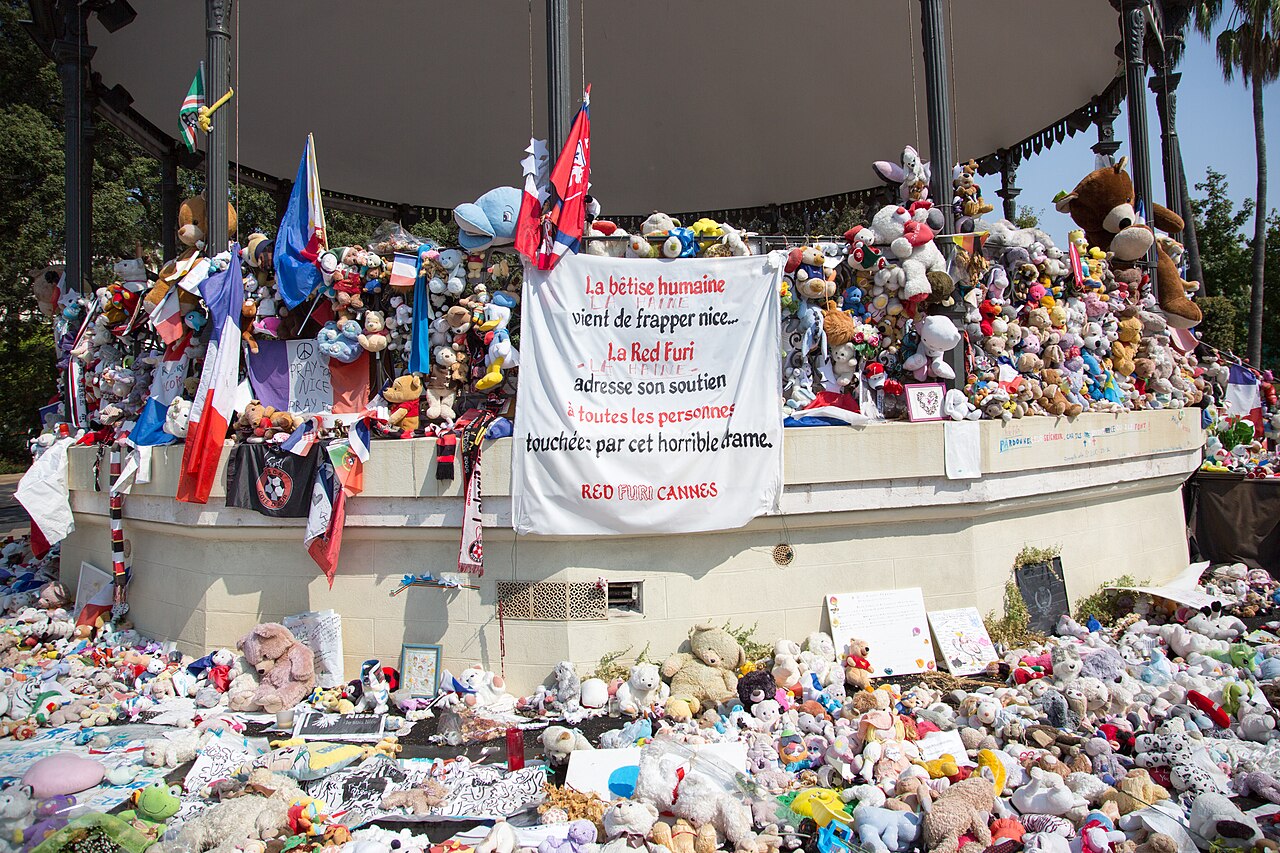
Memorials and moments of silence were held locally and nationally to honour victims. The attack is often referenced in analyses of vehicular-ramming as a tactic and in broader examinations of violent radicalisation in Europe. For further context consult municipal records, victim support resources and official reports published after the investigations.
Related articles
Author
AlegsaOnline.com 2016 Nice truck attack (Bastille Day mass killing) Leandro Alegsa
URL: https://en.alegsaonline.com/art/112574
Sources
- dailymail.co.uk : "At Least 60 Feared Dead"
- bbc.com : "Many Dead as Lorry Hits Crowd in Nice"