
2012 Aurora, Colorado shooting
Mass shooting at a midnight movie screening in Aurora, Colorado on July 20, 2012. Twelve people were killed and dozens injured. The shooter, James Eagan Holmes, was convicted and sentenced to life without parole.
Overview
On July 20, 2012, a mass shooting occurred in Aurora, Colorado in the United States during a midnight screening of The Dark Knight Rises. The attacker, James Eagan Holmes, opened fire inside a crowded movie theater, killing twelve people and wounding dozens of others. He was taken into custody a few minutes after the assault.
Image gallery
5 Images



What happened
Witnesses reported that the shooter entered the auditorium and discharged multiple weapons, and investigators later found explosive components in an apartment linked to him. The attack unfolded rapidly, creating severe casualties and a chaotic scene that required an extensive emergency response. The scale and timing of the assault—during a popular film premiere—brought intense national attention.
Legal proceedings
In a state trial concluded in 2015, Holmes was convicted of multiple criminal counts, including twenty-four counts of first-degree murder and numerous counts of attempted first-degree murder. The jury also found him guilty of possessing explosive devices and accepted a sentence enhancement related to a crime of violence. He was sentenced to life in prison without possibility of parole. The trial drew attention to issues such as the defendant's mental health, the use of the insanity defense, and how courts handle cases of extreme violence.
Aftermath and impact
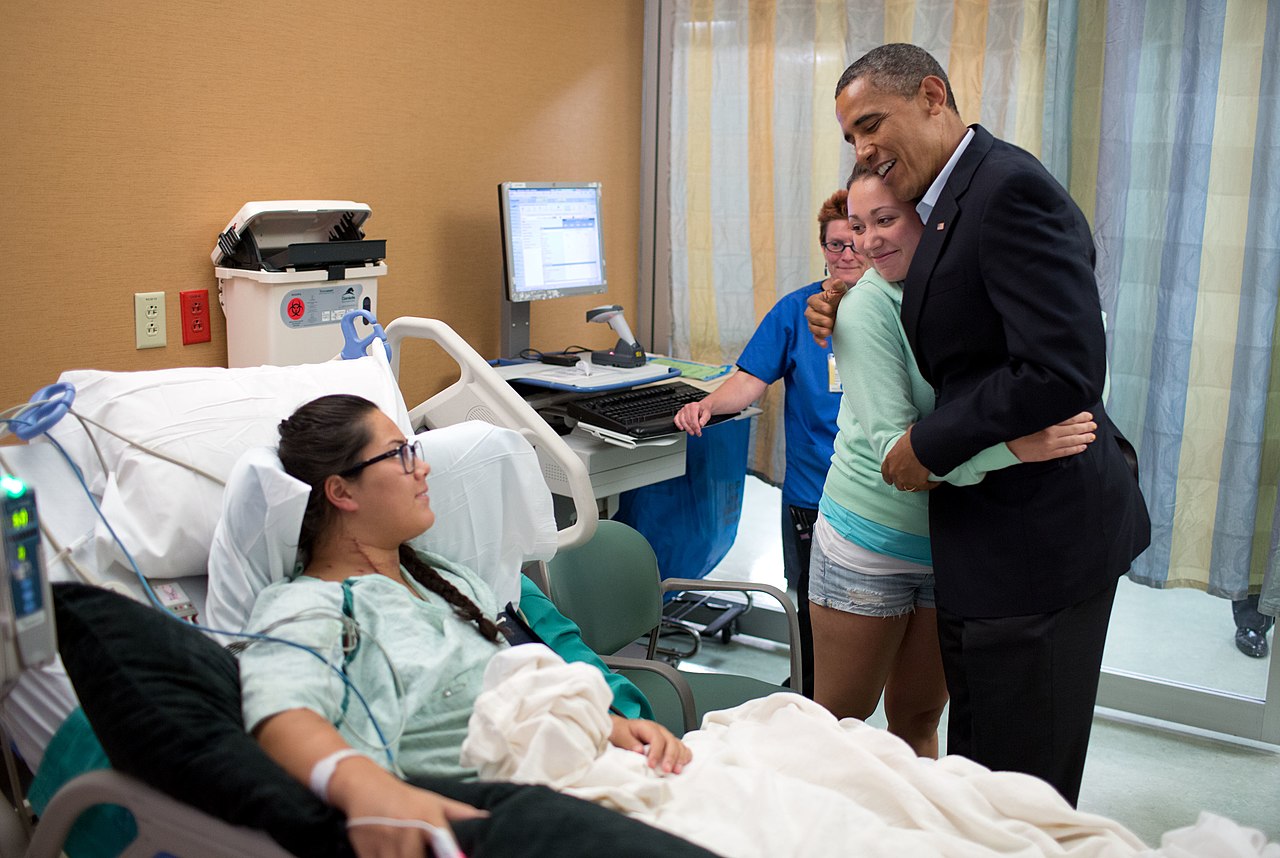
The shooting prompted memorials for victims, fundraising for survivors and their families, and reviews of theater safety and emergency procedures. It also intensified public debate about gun policy, mental health care access, and mass shooting prevention. Law enforcement agencies and policymakers cited the incident in discussions about active-shooter preparedness and community support for trauma victims.
Notable facts
- The attack is one of the deadliest mass shootings in Colorado's recent history, notable for occurring at a movie premiere.
- Investigations addressed both the on-site attack and materials recovered elsewhere that suggested planning beyond the theater itself.
- Families, survivors, and community groups have continued to commemorate the victims and advocate for policy and support changes following the tragedy.
For further information, contemporary news reports and official court documents offer detailed timelines, legal filings, and accounts of the community response. Additional context is available through law enforcement releases and victim support organizations.
Related articles
Author
AlegsaOnline.com 2012 Aurora, Colorado shooting Leandro Alegsa
URL: https://en.alegsaonline.com/art/112489