
2012 United States presidential election
A concise overview of the 2012 U.S. presidential election: candidates, campaign themes, outcome, and its political significance in the Obama–Romney rematch.
Overview
The 2012 United States presidential election took place on November 6, 2012. Incumbent President Barack Obama ran for a second term as the Democratic nominee against former Massachusetts governor Mitt Romney, the Republican nominee. The election coincided with contests for the U.S. Senate and the U.S. House of Representatives, and it was shaped by debates over the economy, health care, and the role of campaign finance in modern politics.
Image gallery
10 Images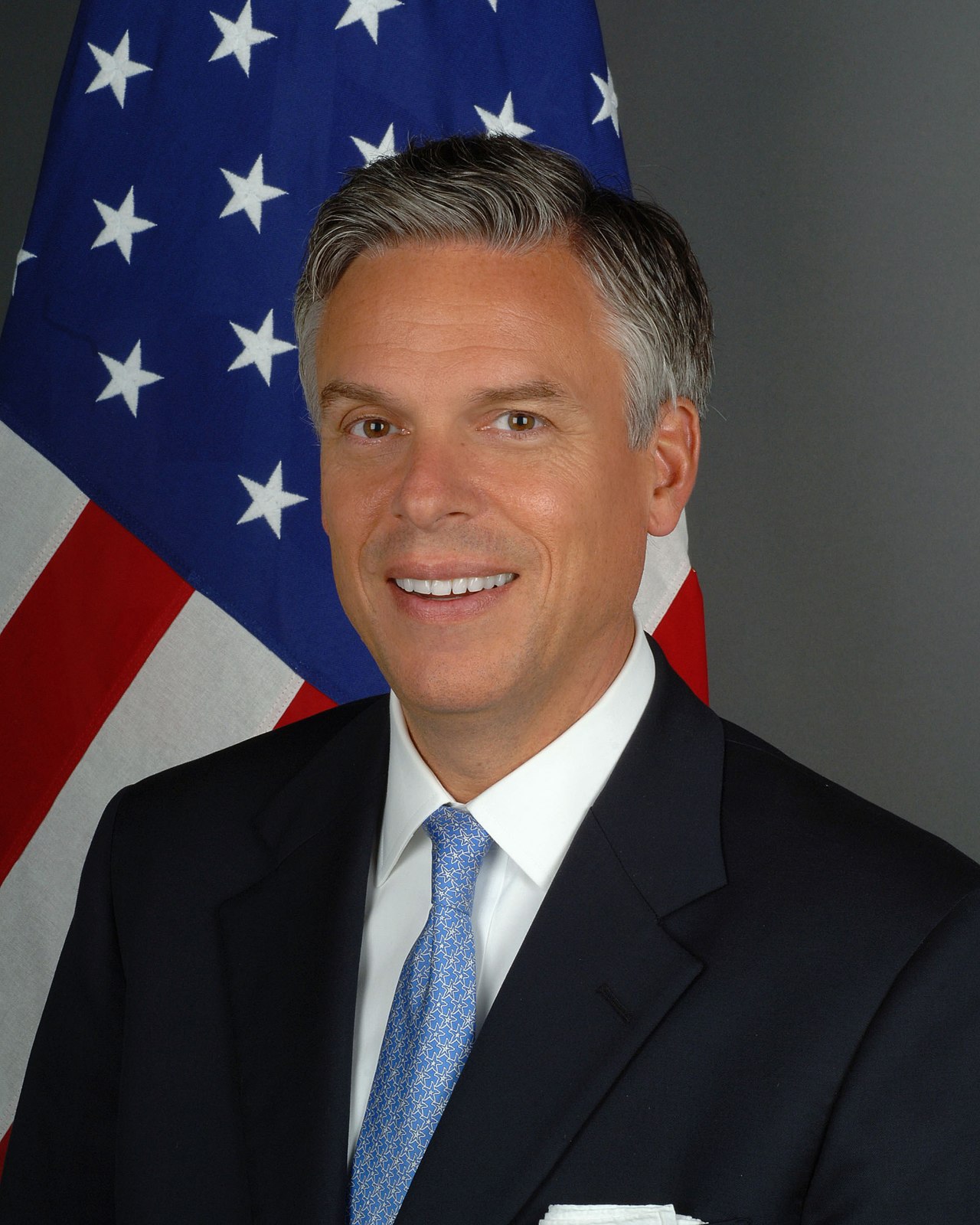


Candidates and running mates
Barack Obama campaigned with Vice President Joe Biden and ran on his first-term record, including the economic recovery and the signature health care law. Mitt Romney selected a congressional colleague as his running mate and focused much of his message on private-sector experience and economic management. The Libertarian ticket, led by Gary Johnson, attracted attention as a third-party alternative during the general election.
Campaign features and issues
The 2012 campaign featured televised debates, a heavy digital and data-driven ground operation, and significant outside spending by independent groups. Major issues included job creation, federal budgetary policy, taxes, and the implementation of the Affordable Care Act. Court decisions and changes in campaign finance rules from earlier years influenced the role of independent expenditures.
Election night and results
On election night many broadcasters called the race for Obama and his running mate before midnight Eastern Time; the Republican nominee conceded in the early hours of the following morning. The president won a second term by capturing a majority in the Electoral College and the national popular vote, while the campaign also highlighted the importance of key swing states and turnout among various demographic groups.
Congressional contests and third parties
Simultaneous with the presidential contest, voters chose members of the Senate and the House of Representatives, shaping Washington's legislative balance for the following term. Third-party candidates, including the Libertarian ticket, recorded notable popular-vote totals in some states and illustrated ongoing debates about ballot access and the two-party system.
Significance and legacy
The 2012 election reinforced several modern campaign trends: the power of data analytics and targeted outreach, the centrality of social media, and the growing influence of independent spending. It also underscored enduring political divides over health care and fiscal policy, and it set the stage for subsequent electoral and policy debates in the United States.
For basic background on the principal figures and institutions mentioned, see entries on the Republican Party and on Massachusetts.
Questions and answers
Q: Who was the Democratic candidate in the 2012 United States presidential election?
A: The Democratic candidate in the 2012 United States presidential election was Barack Obama, the incumbent president.
Q: Who was the Republican candidate in the 2012 United States presidential election?
A: The Republican candidate in the 2012 United States presidential election was Mitt Romney, who was the former Governor of Massachusetts.
Q: What other elections were held on November 6, 2012?
A: On November 6, 2012, there were also elections for the U.S. Senate and U.S. House of Representatives.
Q: When did many broadcast networks say that Obama and Biden won the election?
A: Many broadcast networks said that Obama and Biden won the election by 11:30 PM ET (5:30 AM UTC) on November 6, 2012.
Q: When did Mitt Romney concede to Obama?
A: Mitt Romney conceded to Obama around 1 AM ET on November 7th.
Q: Who came in third place during this election?
A: Gary Johnson of the Libertarian Party came in third place during this election.
Related articles
Author
AlegsaOnline.com 2012 United States presidential election Leandro Alegsa
URL: https://en.alegsaonline.com/art/112499
Sources
- fec.gov : "Federal Elections 2012: Election Results for the U.S. President, the U.S. Senate and the U.S. House of Representatives"
- google.com : "Tampa wins bid to host 2012 GOP convention"
- wsoctv.com : WSOC-TV: Charlotte wins DNC 2012
- bbc.co.uk : "Mitt Romney announces bid to be US president in 2012"
- deseretnews.com : "Romney opens presidential bid — he's got company"
- abcnews.go.com : "Ron Paul to Stop Campaigning in New States"
- en.wikinews.orgFred_Karger_officially_ends_2012_presidential_campaign.html : "Fred Karger officially ends 2012 presidential campaign"
- politico.com : "Newt Gingrich running for president" · webcitation.org
- thecaucus.blogs.nytimes.com : "Video: Gingrich Announces for President"
- cbsnews.com : "Newt Gingrich suspends presidential campaign"
- blogs.abcnews.com : "Rick Santorum Will Run for President: 'We're In It to Win'"
- bloomberg.com : "Ex-Pennsylvania Senator Santorum Announces '12 Republican Presidential Bid"
- pennlive.com : "Republican Rick Santorum announces presidential run"
- krqe.com : "Roemer kicks off 2012 presidential bid"